
Zengzi's Discipline of Character
AnalectsThis thread follows Zengzi's daily self-examination, humility, seriousness about moral duty, and final reflections on a life guarded by care.
increasing Bearing strength in each event
 decreasing
Bearing strength in each eventdecreasingThree Daily Questions
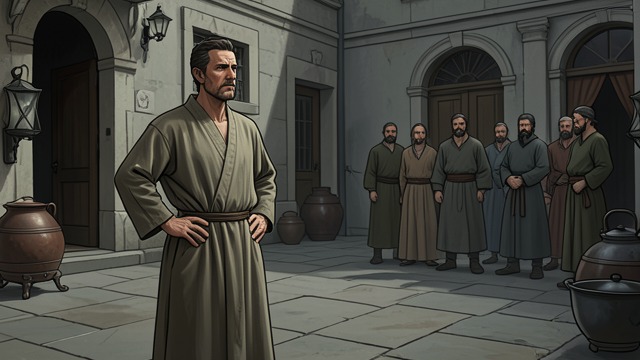
A Practice of Examination
Reviewing Service
Zengzi asks whether he has been faithful when acting for others.
He also tests his sincerity in friendship.
The questions make trust a matter of daily review.
Learning Put Into Practice
He asks whether he has practiced the teaching he received.
Study is judged by conduct, not by possession of lessons.
Self-examination keeps the learner answerable to others and himself.
Learning From the Unassuming

Ability Without Conceit
Humility in Conversation
Zengzi praises someone able who questioned the incapable and someone rich in knowledge who questioned the less informed.
The person behaved as though possessing nothing and being empty.
His humility made learning possible across differences.
Refusing Retaliation
Even when offended, the friend did not enter into quarrels.
Zengzi remembers him as a model rather than a possession.
The portrait links restraint to genuine strength.
The Long Burden of Humanity

A Task Without an Early End
Strength for the Journey
Zengzi says a scholar must have breadth of mind and vigorous endurance.
The burden is heavy and the course is long.
This language makes virtue demanding rather than ornamental.
A Duty Until Death
Perfect virtue is the burden he accepts as his own.
The course ends only with death.
Moral responsibility is presented as lifelong commitment.
Care at the End of Life
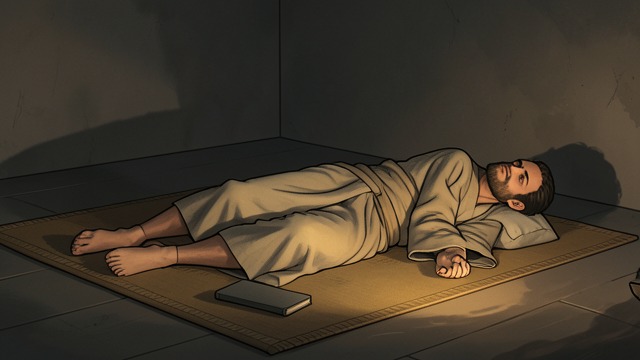
A Life Examined
The Body as Evidence
Ill and near death, Zengzi asks his disciples to uncover his hands and feet.
He recalls the poem's image of walking carefully near danger.
The request shows how attentively he guarded himself.
Relief and Completion
He says that now he knows he has escaped injury to his person.
The remark gathers a lifetime of vigilance into a final moment.
His concern is moral integrity as much as physical safety.
Conduct Before Ceremonial Detail

Three Priorities
Manner and Sincerity
Zengzi says a person in high station should avoid violence in deportment, approach sincerity in countenance, and avoid impropriety in speech.
He distinguishes moral conduct from technical ritual tasks.
The practical principles are accessible and demanding.
A Lasting Standard
Proper officers can handle sacrificial vessels, he observes.
Character cannot be delegated in the same way.
His counsel leaves a compact account of what leadership must personally guard.
During the opening account of Zengzi
During Zengzi's account of his former friend
During Zengzi's teaching on the scholar's duty
During Zengzi's final illness
In Zengzi's final counsel to Meng Jingzi
