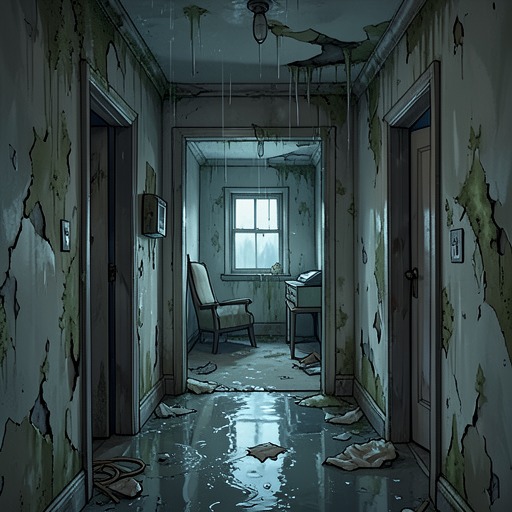
Above all, we were wet
Angela's Ashes“Above all, we were wet” is the defining refrain of the memoir’s account of childhood in Limerick. It turns the city’s persistent rain into a force that reaches through bodies, homes, streets, and communal life, making dampness a material expression of the family’s misery and deprivation.
The Refrain and Its Setting
The phrase follows a bleak comparison between ordinary misery, Irish misery, and the still harsher misery of an Irish Catholic childhood. The narrator describes poverty, an alcoholic father, a defeated mother, priests, schoolmasters, and English rule; then the account narrows to a blunt bodily fact: above all, the family was wet. The short sentence’s plainness gives it the force of a verdict, and the weather becomes the condition through which the other hardships are experienced.
The rain comes from the Atlantic, moves slowly up the River Shannon, and settles over Limerick. It lasts from the Feast of the Circumcision to New Year’s Eve, while the city’s walls glisten with damp from October through April. This extended seasonal pattern makes wetness feel less like an episode than a permanent feature of the childhood landscape.
The Body and the Home
The rain’s effects are bodily and domestic. The narrator links it to hacking coughs, bronchial rattles, asthma, and consumption, as well as streaming noses and lungs vulnerable to infection. The household responds with improvised remedies: onions boiled in milk and darkened with pepper for catarrh, and a sizzling paste of boiled flour and nettles, wrapped in a rag and slapped onto the chest for congested passages. These treatments place illness within ordinary home life, where damp and sickness call for makeshift care rather than distance from hardship.
Even clothing cannot escape the weather. Woolen and tweed garments do not dry; they become hosts to living things and sometimes sprout mysterious vegetation. In pubs, damp clothes and bodies send up steam, mingling with cigarette and pipe smoke, the stale fumes of spilled stout and whiskey, and the smell wafting from outdoor toilets. The refrain therefore gathers more than rain: it evokes the close, saturated conditions in which people live, breathe, and endure.
Church as Refuge
The rain drives the family into church, described as refuge, strength, and the only dry place. At Mass, Benediction, and novenas, people huddle in damp clusters and doze through the priests’ drone. Steam rises from their clothes into the incense, flowers, and candlelight. The scene holds comfort and discomfort together: the church offers shelter, but its gathered congregation carries the wet world inside with it.
Narrative Significance
As a recurring idea compressed into a single sentence, “Above all, we were wet” makes climate inseparable from class and health. Rain settles over Limerick, but its consequences are borne in coughs, undried clothing, crowded interiors, and improvised remedies. The movement from the Atlantic and the Shannon to bodies, garments, pubs, and church gives the memoir’s account of poverty a physical environment; the phrase names not just bad weather, but the texture of a childhood lived without escape from it.