Kevin Barry
Angela's Ashes“Kevin Barry” is a rebel ballad that turns the execution of a young man into a portable lesson in Irish sacrifice. In the McCourt household it recurs as song, bedtime interruption, and political theater: Malachy summons his sons to die for Ireland, even as he returns without wages and leaves them hungry. Its repeated appearance links a public ideal of martyrdom to the private costs of his drinking and to the children’s early understanding of heroism.
The ballad’s story and its force
The verses name Mountjoy prison, the gallows, and Kevin Barry’s death for liberty. They emphasize his youth—eighteen summers—and the composure with which he walked toward execution. For the McCourt boys, the song offers a compact heroic narrative: a young Irishman faces death with his head held high. The ballad’s plain sequence of arrest, execution, and patriotic cause makes sacrifice easy to repeat and teach, even when the realities of the family’s life are far removed from the song’s public grandeur.
The narrative does not present the ballad simply as background music. Its words become a language through which Malachy explains Irish identity to his children. The song’s martyr is at once a historical figure in a popular rebel story and a model that the father tries to impose on his sons. That transformation gives the ballad its force in the family scenes, while the gap between its elevated cause and the household’s immediate needs gives those scenes their irony.
A ritual imposed on the children
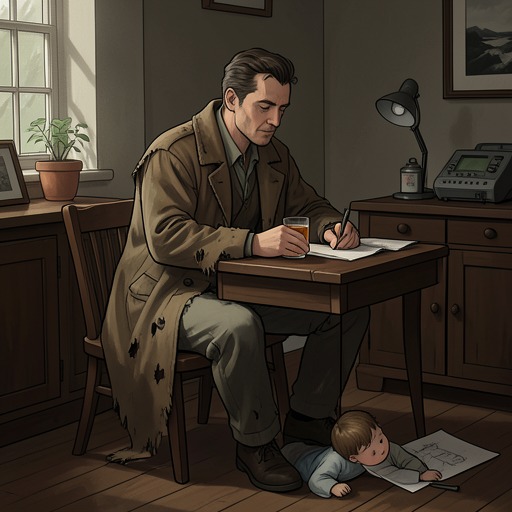
During the family’s Brooklyn years, Malachy comes home late after failing to bring his wages back. The children have been given bread and tea; Angela sits at the kitchen table, distressed by the prospect of another night without money for supper. Malachy nevertheless wakes the boys and calls them his troops and warriors, promising them a nickel if they will promise to die for Ireland. He invokes the Red Branch Knights, the Fenian Men, and the IRA, casting his sons as heirs to successive traditions of Irish resistance. The nickel never arrives.
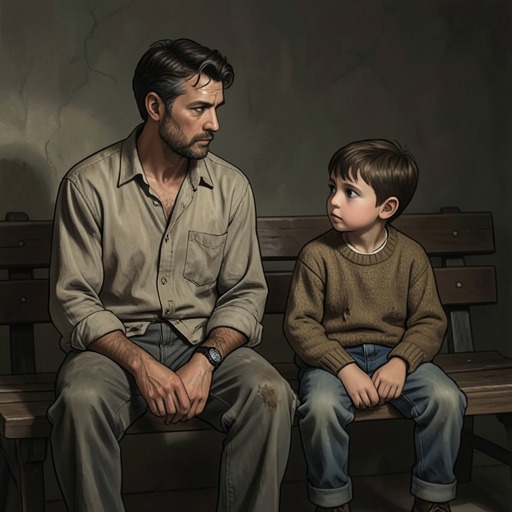
On another night, after returning from a cigarette hunt in the middle of the night, Malachy gets the boys out of bed and has them stand at attention in the kitchen as soldiers. They promise to die for Ireland, and the family sings the ballad together. The performance is interrupted at three in the morning when Dan MacAdorey knocks and objects that the singing has woken the household. Malachy explains that he is teaching the boys to die for Ireland. The scene makes the contrast unmistakable: what the father presents as instruction in national honor is also a disruption imposed on tired children and neighbors.
The lesson recurs even when the younger twins are too small to speak. When Malachy tries to make them promise as well, Angela protests that he should leave the children alone. He offers a nickel for ice cream if the boys promise, but, as before, the money does not materialize. The song’s repeated use turns it into a domestic ritual, but one governed by Malachy’s demands rather than by the children’s understanding or consent.
Hunger, work, and the song’s contradiction
The ballad’s place in the home is sharpened by a recurring practical crisis. Malachy has work, yet by the third week he is not bringing his wages home. On Friday nights, the family waits with only bread and tea while other working families have dinner. When he finally comes in singing, Angela reminds him that the boys have gone to bed half hungry because he has spent the money on whiskey. His call for the children to rise and promise to die for Ireland places national sacrifice beside the ordinary obligation to feed them—and makes the unfulfilled promise of wages more immediate than the promised nickel.
The same contradiction appears after Mr. MacAdorey tells Malachy about work with the WPA. When the job brings money, Angela gets out of bed to care for the twins and feed the family; when Malachy comes home smelling of drink without money, she argues with him, the twins cry, and the older boys run to the playground. On such nights he sings sad songs about Ireland and still wakes the boys to pledge their lives. The narrative sets the song’s repeated appeal to liberty against the family’s repeated need for food, care, and dependable wages. Patriotism is not dismissed, but Malachy’s performance of it cannot substitute for those responsibilities.
Angela’s objections make that conflict audible. When she confronts Malachy over the empty-handed return, she recalls his songs about Kevin Barry and other sad songs, connecting them not to the boys’ imagined military future but to the familiar return of midnight, no money, and no supper. The song’s emotional authority persists, yet each repetition also exposes how its heroic language can cover over a failure in the present.
Departure, memory, and interpretation
The ballad accompanies Irish men’s migration as well as Malachy’s nighttime performances. When English agents recruit workers in Limerick for jobs in England, some men are too drunk to walk and must be brought to the station. Others curse the agents over England’s treatment of Ireland; the departing men sing “Kevin Barry” as they stumble from the pubs, embrace their families, and promise to send money home. Here the song gathers anger at the past and hope for future support into a public scene of departure. The promises of remittances echo the family’s own precarious dependence on wages sent from abroad.
Later, the boys argue over what happens to a condemned rebel after death. Frank says that a priest would have been present at the hanging of Kevin Barry, treating the priest as part of the proper passage through death. Malachy counters that the songs do not mention priests. The dispute shows how the ballad supplies not only a political emblem but also the limits of the boys’ knowledge: they reason from what the lyrics include, and absence from the song becomes evidence in their argument.
The song’s most persistent effect is therefore double. It preserves an image of courage in the face of execution, and it gives the McCourt children a vocabulary for Ireland and sacrifice. But the family scenes test that ideal against unpaid wages, hunger, and Angela’s protests. By returning to the same ballad in different circumstances—from a father’s late-night demands to men leaving for English work—the narrative shows how patriotic memory can inspire, console, or become a substitute for obligations that remain stubbornly local and immediate.