Rat
Angela's AshesIn the McCourts’ Roden Lane home, rats are not an isolated nuisance but part of the consequences of overcrowded, inadequate sanitation. Drawn by the shared lavatory and the stable beside it, they enter the house, occupy the coal hole, and unsettle the family’s daily life. The children try to drive them out or kill them, but the problem keeps returning; Angela would rather walk the streets than remain indoors when a rat is suspected. Against this domestic struggle, the book sets other meanings attached to animals: Finn the Horse is a loved presence endangered by rats, while Frank’s anger at jackdaws around Oliver’s grave briefly turns animals into possible souls and targets for revenge.
Setting and Conditions
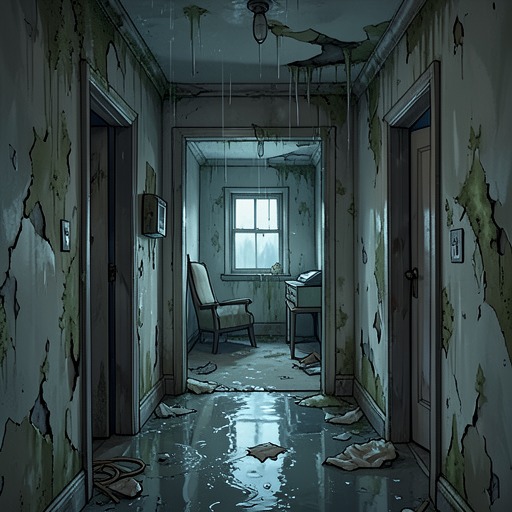
The rats’ appearances are rooted in the physical arrangement of the family’s home. The McCourts live at the end of a row on Roden Lane, next to a stable and a lavatory shared by eleven families. When they first settle there, an old man explains that the lavatory serves the whole lane; its waste is emptied by residents carrying buckets. The family’s initial happiness at having a house with stairs and rooms of its own is sharply qualified by the discovery that the lavatory is communal and close to their kitchen.
The sanitation problem worsens with the weather and the condition of the buildings. In winter, waste can flow over and seep under the door; in warm weather, flies and rats become a greater presence. Floodwater later pours into the kitchen, and the people emptying their buckets make the conditions worse. The family moves its furniture upstairs and calls the upper floor Italy, but this temporary refuge does not resolve the persistent problem of the lavatory and stable beside the house.
The adults recognize that the hazard is structural rather than something the family can readily fix. Angela says the lavatory, not the River Shannon, may kill them. Malachy takes Frank to the Town Hall to complain and asks for more lavatories; the official tells him they can move, although they cannot afford to do so, and dismisses the prospect of building facilities for houses expected to be demolished after the war. The rats therefore belong to a wider condition of neglected housing and inadequate public infrastructure, not simply to a household failure to keep clean.
The Rats in Domestic Life
A stable beside the lavatory houses Finn the Horse, the large horse from Gabbett’s coal yard. The stable is not properly cared for, and its condition compounds the nuisance around the family’s home. The stink from the lavatory and stable attracts rats, which the children pursue with their dog, Lucky. They corner them and kill them with rocks or sticks, or use a hay fork from the stable. The hunt is practical: the rats are a repeated threat in a cramped domestic space, and the children try to contain them with whatever is at hand.
The rats also endanger Finn. He is frightened when one rears up near him, so the children must be careful around the horse as well as the rats. Their attachment to Finn is evident in the contrast: they bring him apples taken from an orchard, while they attack the rats that enter his stable. The animals occupy opposing roles in the same environment—one a familiar, loved presence, the other a persistent danger—though both are affected by the stable’s poor conditions.
Some rats escape the children and get into the house, especially the coal hole under the stairs. In the darkness, they are hard to locate even with a candle, and their burrows make it unclear where they have gone. When there is a fire, the family can boil water and pour it slowly into the hole to drive them out. Lucky may catch one in his teeth and shake it, but he leaves it in the lane rather than eating it, then goes to Malachy for bread dipped in tea. The neighbors regard this behavior as peculiar, a small comic reversal within an otherwise relentless struggle with vermin.
Fear, Flight, and Repetition
Angela’s response is more than dislike. At the first sign or mention of a rat, she leaves the house and goes up the lane; she would rather walk the streets of Limerick than stay inside for even a minute. She cannot relax because the nearby lavatory and stable make the possibility of another rat seem constant. Her flight gives the family’s conditions an immediate human consequence: the threat restricts the ordinary use of their home, even when no rat is visible.
The family can kill rats and shut its door, but neither action removes the source of the problem. The flies that gather at the stable and lavatory are another recurring nuisance, while the neighbors’ buckets make it difficult to leave the door open in warm weather. The household warns one another when someone is approaching to empty a bucket and rushes to close the door. Rats thus belong to a repeated cycle of exposure, attempted defense, and renewed exposure, rather than to a single dramatic encounter.
That cycle also shapes how the family understands the difference between private effort and public responsibility. The children can chase a rat; they cannot build a lavatory or repair the surrounding housing. Malachy’s complaint to the Town Hall meets an answer that treats moving as the available solution, despite the family’s poverty. The continuing presence of rats makes visible the costs of an environment the household cannot control and from which it cannot afford to escape.
Animals, Grief, and Narrative Meaning
The book’s animal scenes do not give every creature the same moral or emotional status. The children hunt rats as a practical response to infestation, and they recognize that rats frighten Finn. By contrast, when Frank attends Oliver’s burial, he throws a rock at a jackdaw near the grave because he does not want the bird near his dead brother. Malachy warns that jackdaws might be somebody’s soul. Frank does not understand what a soul is and remains angry, imagining that he will return one day with enough rocks to fill the graveyard with dead jackdaws. The episode places animal violence beside bereavement and religious possibility, without making Frank’s grief equivalent to the family’s defense against rats.
The contrast is sharpened by the story of Michael’s stray greyhound. When the dog dies beside him, Michael insists it was a Catholic dog and wants the family to dig a grave and pray. Frank and the others say three Hail Marys, though they are glad to have a day away from school. The rats, unlike the dog or the jackdaw, are not mourned or granted a place in the family’s household. Their recurring presence instead registers the deprivation of a home where sanitation fails and fear becomes part of the daily routine. The narrative’s shifts between pursuit, affection, grief, and imagined spiritual significance reveal how closely the McCourts’ treatment of animals is tied to circumstance.