River Shannon
Angela's AshesThe River Shannon shapes the McCourts’ experience of Limerick as both a real landscape and an explanation through which the family understands hardship. It is remembered with affection as a river that sings, blamed for the dampness associated with illness and loss, and set against the failures of the city’s housing and sanitation. In the closing movement of Frank’s life in Ireland, its current also links Limerick to the Atlantic and the ship that will take him to America.
Setting and the city’s damp
The river enters the account of Limerick’s weather as part of a larger environmental pattern: rain gathers over the Atlantic, moves up the Shannon, and settles over the city. The damp is not brief or incidental. It accompanies months of wet walls and undried clothes, while the narrative connects the city’s weather to recurring respiratory complaints and the home remedies used to ease them. The river thus belongs to the material conditions of life in Limerick, where weather reaches into health and domestic routine.
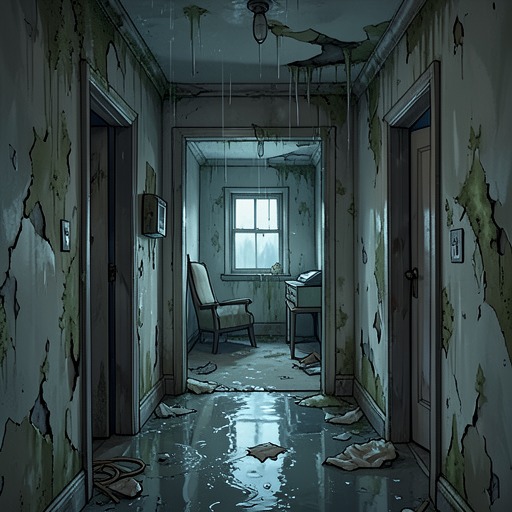
The family’s experience of damp becomes especially concrete in their home on Roden Lane. The McCourts’ rooms are crowded against shared facilities, and flooding brings water into the kitchen. When rain pours beneath the door and efforts to block it with rags fail, the family carries its furniture upstairs and makes the warmer upper floor a temporary refuge. The episode shows that the river’s presence is not simply scenic: water, inadequate housing, and a shared lavatory combine to shape where the family can live inside its own home.
A remembered river and a family explanation
The Shannon is not only a source of hardship. While gathering dropped coal beyond Dock Road, Angela points it out to Frank and says it is what she missed most in America. She contrasts it with the Hudson: the Hudson was lovely, she says, but the Shannon sings. Frank cannot hear the song himself, yet his mother’s response makes the river a sign of remembered home and of her attachment to Limerick after the family’s return.
The same river is given a more painful meaning after Oliver and Eugene die. Speaking to Eugene’s body, Malachy blames the Shannon’s dampness for taking both boys. His explanation turns the river into a focus for grief, though it does not establish a medical cause: the doctor identifies pneumonia as Eugene’s cause of death and stresses the need to keep the surviving children dry. The contrast between medical warning and the father’s grief-stricken attribution shows how the family tries to make sense of repeated loss in a city where damp is an ever-present condition.
The river beside the lane
As the family’s circumstances change, the source of danger in their daily surroundings becomes more specific. The McCourts live beside a stable and a lavatory used by families throughout the lane; waste and poor maintenance create conditions that attract rats and flies. Angela says the lavatory, rather than the Shannon, may kill them. Malachy eventually takes Frank to the Town Hall to complain about the lack of adequate facilities, but the official answer is that the family can move, despite their inability to afford another home.
This complaint makes an important distinction between the river as a recurring explanation for damp and the immediate failures of urban infrastructure. The family’s exposure to flooding and foul conditions is bound up with inadequate housing and shared sanitation, while its poverty limits its ability to escape them. The river remains part of the environmental setting, but the narrative also shows that the risks associated with life near it are intensified by conditions the city does not remedy.
From Limerick to the Atlantic
The Shannon’s significance extends beyond the family’s memories and complaints. After deciding to leave Ireland, Frank arranges passage on the Irish Oak, which is to sail from Cork across the Atlantic. The river appears at the end of his account as he sits beside it near the dry docks, thinking about the ledger he has thrown into its waters and anticipating that he too will follow it toward the Atlantic. His departure transforms the river from a feature of the home he is leaving into a link between Limerick and the crossing to America.
Across these episodes, the Shannon holds together opposing meanings: a source of damp in a city that has made the family sick and vulnerable, a beloved landmark remembered from abroad, and a channel of imagined escape. Its recurring presence gives the landscape a personal history, carrying the McCourts’ losses and attachments alongside Frank’s decision to leave.