opening, before the family’s return to Ireland
A Childhood in Limerick
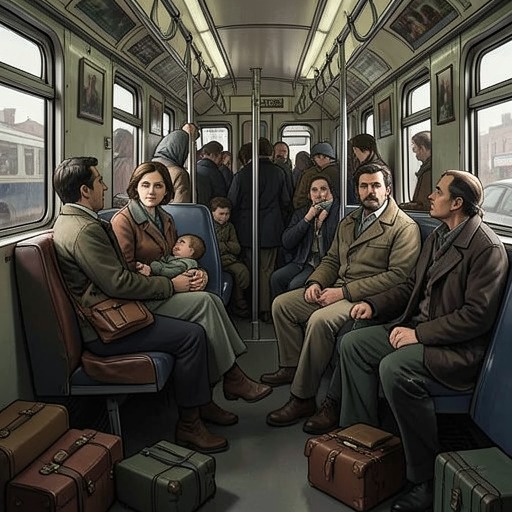
The adult narrator frames his childhood as a struggle shaped by poverty, Catholicism, an alcoholic father, and a city made relentlessly wet by rain. He introduces the family’s move from [New York](entity:location-recall-location-new-york-f84f7f10ee10) to [Ireland](entity:location-recall-location-ireland-3247a2c8bcbe) when he is four, with his parents and brothers, after the death of his baby sister, [Margaret McCourt](entity:character-recall-character-margaret-mccourt-215cbf6a5a02).
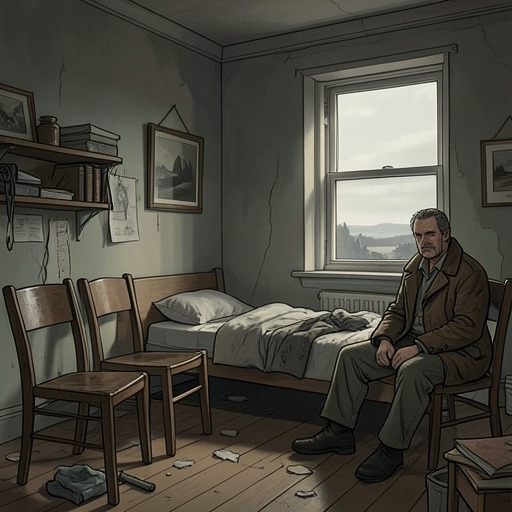
The opening also establishes the story’s central contrasts: warmth and hunger, tenderness and neglect, faith and fear. [Limerick](entity:location-recall-location-limerick-10a5ac628937)’s dampness, which the family comes to blame for illness and death, hangs over the childhood that follows.
before Frank’s birth
The Parents’ Earlier Lives
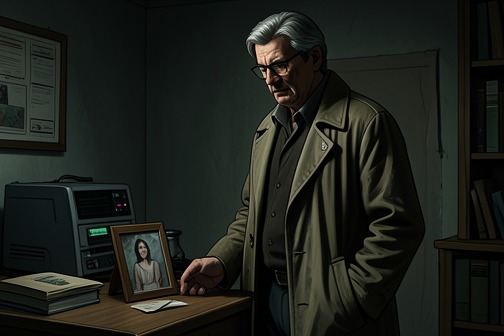
Frank’s father, Malachy McCourt, was born in [Toome](entity:location-recall-location-toome-da273decb777) in [County Antrim](entity:location-recall-location-county-antrim-b9a0e57cffea) and became involved with the Old IRA before fleeing [Ireland](entity:location-recall-location-ireland-3247a2c8bcbe) as a fugitive. He wandered through [America](entity:location-recall-location-america-c751899c385c) and [England](entity:location-recall-location-england-b153c1f368ea), drank heavily, and eventually returned to [Belfast](entity:location-recall-location-belfast-8a60016bc9a1), where he later died in hospital.
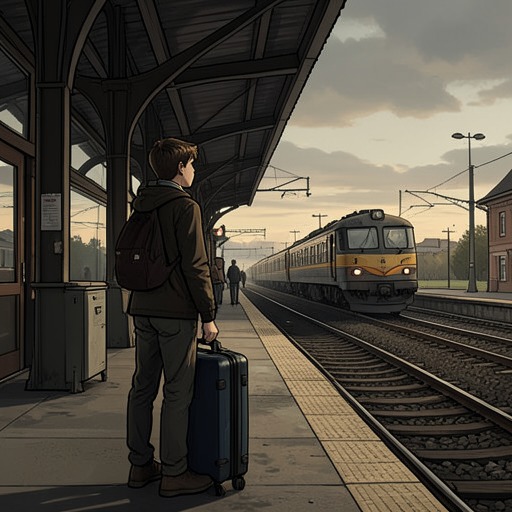
Angela Sheehan grew up in a [Limerick](entity:location-recall-location-limerick-10a5ac628937) slum, the daughter of a man who had left for Australia before her birth. The two family histories converge in [New York](entity:location-recall-location-new-york-f84f7f10ee10), but their contrasting origins—his northern Irish background and her Limerick roots—will become a constant source of suspicion and conflict.
New Year’s Eve, before Angela’s childhood
Angela’s Birth at Midnight
During a difficult labor, Angela’s mother struggles through the turn of the year as the impatient midwife urges her to hurry. Angela is born at midnight, with her head apparently in one year and the rest of her in the next, prompting the midwife’s comic speculation about which year should be recorded.
She is named Angela for the Angelus bells that ring at her birth. The episode gives her story a crowded family beginning, where hardship and religious observance are already mixed with blunt humor.
Angela’s adolescence
Angela Sent to America
Angela leaves school young and struggles to find work as a maid, but cannot master the expected manners and curtsies. Her mother calls her useless and offers to pay her passage to [America](entity:location-recall-location-america-c751899c385c), where there may be room for someone like her.
Angela arrives in [New York](entity:location-recall-location-new-york-f84f7f10ee10) during the [Great Depression](entity:event-recall-event-d7661a74bf17). There she meets Malachy at a party, beginning the relationship that will shape her and her children’s lives.
after Angela and Malachy meet in New York
A Forced Wedding
Angela becomes pregnant after a brief encounter with Malachy, and her formidable cousins [Delia Fortune](entity:character-recall-character-delia-fortune-fa7bbf0472b0) and [Philomena Flynn](entity:character-recall-character-philomena-flynn-10728126a8b8) confront him at a speakeasy. They accuse him of dishonoring Angela and insist that he marry her, while he tries to evade their pressure by drinking and imagining an escape to California.
His attempt fails: he wakes in a railway station without his money. In March he marries Angela, though he has no steady work and little confidence that he can support a family.
Frank’s infancy
Frank’s Confused Baptism
Malachy registers his son’s birth while drunk, and the clerk records the name as “Male.” The child is later baptized Francis, after Malachy’s father, while Angela’s wish to give him the [Limerick](entity:location-recall-location-limerick-10a5ac628937) name Munchin is rejected.
The ceremony is disrupted when the godfather fails to appear and Malachy argues with the priest. Angela accidentally lets the baby slip into the baptismal font, making his immersion a comic, unintended echo of Protestant baptism and sharpening the family’s sectarian anxieties.
Frank’s early childhood, Brooklyn
The Family’s Brooklyn Years
Frank grows up among his parents and brothers in a cramped [Brooklyn](entity:location-recall-location-brooklyn-e6b5895cd305) apartment. When Malachy loses a job or drinks away his wages, Angela struggles to feed the children; when he brings home pay, the family briefly enjoys clean clothes, warm baths, stories, and proper meals.
The contrast between these short periods of comfort and recurring hunger teaches Frank to measure family life by whether his father comes home with money. Malachy’s Irish songs and stories give the children both a sense of imaginative abundance and an early, bewildering lesson in his divided nature.
when Frank is three and Malachy is two
Frank and Malachy’s Seesaw Accident
In a [Brooklyn](entity:location-recall-location-brooklyn-e6b5895cd305) playground, Frank steps off a seesaw while his younger brother is raised on the other end. Malachy falls, bites his tongue, and is taken to the hospital, leaving Frank alone in the apartment, hungry and frightened that he has caused a death.
His father comforts him with tea and the story of [Cú Chulainn](entity:character-recall-character-c-chulainn-c084d76fa9c7), the hero who becomes the [Hound of Ulster](entity:expression-recall-expression-hound-of-ulster-8b7c5afcbf18) after accidentally killing a dog. The story becomes Frank’s own cherished possession, a source of closeness with his father and later a point of jealousy between the brothers.
Frank’s early childhood, after the twins begin walking
Margaret’s Brief Happiness
The family welcomes Margaret, a little girl with Angela’s blue eyes and dark curls. Malachy stops drinking for a time and dotes on her, carrying her around the kitchen, singing, and imagining a future for her in [Ireland](entity:location-recall-location-ireland-3247a2c8bcbe).
Her arrival brings the parents a rare period of shared happiness. Frank watches his father’s tenderness toward Margaret and senses that this baby has drawn something unusually gentle out of him.
during Margaret’s infancy
Frank Steals Bananas
When the twins cry from hunger in the playground, Frank steals bananas from a nearby grocery shop and feeds them in a dark corner. The grocer catches on but responds not with punishment: he gives Frank a bag of fruit and tells him to quiet the hungry babies.
At home, Angela questions where the fruit came from, and Frank says “a man.” The episode shows both the children’s desperate improvisation and the unexpected kindness they sometimes encounter from neighbors and shopkeepers.
when Margaret is seven weeks old
Margaret Dies
One morning Malachy finds Margaret cold and unresponsive. The doctor declares her dead and takes her away for examination; Angela, devastated, clings to the baby and then withdraws into grief, while Malachy leaves the apartment and drinks.
Frank is left to care for the twins and to make sense of a death he cannot understand. Neighboring women bring food, wash the children, and help Angela through her shock, while relatives begin to blame Malachy and discuss sending the family back to [Ireland](entity:location-recall-location-ireland-3247a2c8bcbe).
after Margaret’s death
The Family Is Sent Home
Angela’s cousins write to her mother describing the family’s neglect and asking for money to send them back to [Ireland](entity:location-recall-location-ireland-3247a2c8bcbe). The tickets are purchased, and the family leaves [New York](entity:location-recall-location-new-york-f84f7f10ee10) aboard a ship, with Angela vomiting over the rail as they depart.
Their return is presented as a forced retreat from grief and poverty rather than a hopeful homecoming. For Frank, the crossing carries him away from the streets and neighbors he knows toward an Ireland he has never seen.
Easter Sunday, shortly after the voyage
Arrival in Toome
After landing in [Ireland](entity:location-recall-location-ireland-3247a2c8bcbe), the family travels by bus to [Belfast](entity:location-recall-location-belfast-8a60016bc9a1) and then to [Toome](entity:location-recall-location-toome-da273decb777), walking the last stretch toward the McCourt home before dawn. The boys encounter cows, sheep, and a goat for the first time, and Malachy’s questions irritate his exhausted father.
A priest gives the family a lift to the house, where Frank meets his paternal grandparents and aunts. The welcome is strained: the house is crowded, the adults worry about money, and Angela’s mother-in-law makes little effort to conceal her doubts about the newcomers.
the morning after arriving in Toome
The Family Heads to Dublin
The grandparents tell Malachy that there is little work in the North and suggest he seek aid from the IRA or try [Dublin](entity:location-recall-location-dublin-d76fcbad2c3f). They lend him the bus fare, and the family sets out for the capital with their trunk and four small boys.
On the bus, Malachy turns the landscape into legend, pointing out [Lough Neagh](entity:location-recall-location-lough-neagh-6ad7b136a119) and telling the boys stories about [Cú Chulainn](entity:character-recall-character-c-chulainn-c084d76fa9c7). Angela, by contrast, stares at the floor, already sensing that the family’s prospects are poor.
the family’s first day in Dublin
The IRA Refuses Help
Malachy walks with Frank to meet an IRA official, hoping that his service in the revolutionary years will earn aid for his family. The official finds no record of him and refuses to give more than enough money for a bus ride, despite Malachy’s long account of his past.
Malachy calls the encounter a sign of the “new [Ireland](entity:location-recall-location-ireland-3247a2c8bcbe),” where small officials and paperwork decide who deserves help. The father and son return to the station without money, while Angela and the other boys wait hungry and exhausted.
that night in Dublin
The Guards Shelter the Family
A guard finds the stranded family at the bus station and takes them to the police barracks. The guards provide bread and sweet tea, allow them to sleep on the floor, and collect money for their train fare to [Limerick](entity:location-recall-location-limerick-10a5ac628937).
The night offers a brief, unexpected respite. Frank remembers the warmth of the food and the guards’ kindness, even as the adults around him remain caught between hunger, grief, and uncertainty about what awaits them at home.
the morning the family leaves Dublin
A Statue of Cú Chulainn
Before taking the train, Malachy asks the driver to stop at the General Post Office so Frank can see the statue of [Cú Chulainn](entity:character-recall-character-c-chulainn-c084d76fa9c7). Frank is moved by the golden figure, bowed beneath the bird that drinks his blood, and recognizes the hero from his father’s stories.
The driver questions the statue’s connection to the [1916](entity:time-recall-time-1916-26647d28bae8) rebels, while Malachy explains that both Cú Chulainn and the men of [Easter](entity:time-recall-time-easter-4ee721615d13) Week fought to the end. The visit joins Frank’s private mythology to [Ireland](entity:location-recall-location-ireland-3247a2c8bcbe)’s public memory of rebellion and sacrifice.
shortly after the Dublin episode
Arrival in Limerick
The family reaches [Limerick](entity:location-recall-location-limerick-10a5ac628937) and is met by Angela’s mother, who is unsmiling and openly resentful. She brings them to her small house, where the children encounter the Sacred Heart, the Infant of Prague, and unfamiliar customs, while the adults make clear that there is not room for everyone.
After one cramped night, Angela and her mother find a furnished room on [Windmill Street](entity:location-recall-location-windmill-street-9dd2eef4f7ab). The family begins life in Limerick in a single room with few possessions, dependent on borrowed utensils and whatever support Angela’s mother is willing to offer.
the first nights on Windmill Street
Fleas in the New Room
The family discovers that their mattress is infested with fleas. Malachy carries it outside and beats it under the moon while Frank fetches water, and a passing man offers a long, fanciful account of the supposed history of fleas in [Ireland](entity:location-recall-location-ireland-3247a2c8bcbe).
The incident captures the family’s precarious housing and the adults’ use of humor to endure it. Even after the mattress is brought back, the fleas remain part of their nightly discomfort.
soon after the move to Windmill Street
Angela Loses Another Pregnancy
Angela becomes gravely ill and is taken to hospital after a sudden loss of blood. Frank does not understand what the adults mean when they say the child is lost, and he watches his father leave with his mother while the children are left behind.
Malachy later returns with the news that Angela is safe, but the family’s poverty remains unchanged. The episode deepens Frank’s sense that adults conceal the most frightening facts from children and that illness can arrive without warning.
after Angela returns from hospital
The Dole and Charity
Malachy qualifies for a small weekly dole, but the amount cannot cover rent, food, coal, and clothes for the family. Angela takes Frank and Malachy to the St. Vincent de Paul Society, where she waits in a queue with other poor women.
The women share stories, snuff, cigarettes, and practical warnings about dishonest shopkeepers. Angela receives a grocery docket and coal assistance, but the transaction also exposes the humiliation that accompanies dependence on charity.
during Oliver’s illness
Coal and an Onion
When Oliver develops a fever, Angela wants to boil an onion in milk as a home remedy, but the family has no coal. Malachy refuses to collect coal from the road, so Angela takes the boys to gather it herself and persuades a shopkeeper to give them an onion, pepper, and salt.
She prepares the remedy, but Oliver will not eat it. The family’s small victory over hunger and cold cannot stop the illness that is already advancing.
the following morning
Oliver Dies
Oliver’s condition worsens, and Angela and Malachy take him to hospital. Frank stays behind with Malachy and Eugene, while his grandmother visits and tries to feed the children. When his parents return, Frank learns that Oliver has died.
Frank’s father carries him through [Limerick](entity:location-recall-location-limerick-10a5ac628937) seeking food from shopkeepers, then stops at a pub with [Pa Keating](entity:character-recall-character-pa-keating-4cc884fcd0ca). Malachy drinks while Frank waits, unable to understand why the adults have paused over pints when the family is grieving and his brothers are hungry.
the day after Oliver’s death
Oliver’s Funeral
The family buries Oliver in a small white coffin. Frank throws a rock at a jackdaw near the grave, fearing that it may be a soul, and vows to return someday to drive the birds away.
Malachy drinks away the dole money after promising the family a proper meal. His drunken return leaves Angela and the children without the food he said he would buy, reinforcing Frank’s association between bereavement and his father’s destructive drinking.
the months after Oliver’s funeral
Eugene Searches for Oliver
Eugene repeatedly looks for his twin brother, pointing at fair-haired children in the street and hoping to find Oliver. Frank and Malachy try to distract him with games and outings, while their parents tell him Oliver is in heaven.
The family’s attempts to comfort Eugene cannot undo the loss. His longing is one of the first signs that the twins’ separation has altered the household in ways the adults cannot repair.
about six months after Oliver’s death
Eugene Dies of Pneumonia
On a cold November morning, Frank wakes beside Eugene’s lifeless body. [Dr. Troy](entity:character-recall-character-dr-troy-e347edf2a5b7) says the child died of pneumonia and asks why he was not brought to hospital earlier; the parents have no answer.
Eugene is laid out in a white gown and buried after another painful funeral. Malachy blames the dampness from the [River Shannon](entity:location-recall-location-river-shannon-5c5bce9f918e), while Angela withdraws into grief, and the family’s remaining children are left to absorb a second loss in less than a year.
the day of Eugene’s funeral
Frank Stops His Father at the Pub
On the way to collect Eugene’s coffin, Malachy stops for a pint and sets his glass on the small white box. Frank objects, refusing to let his father treat his brother’s coffin like a pub table. The men eventually leave after finishing their drinks.
At the graveyard, the carriage is gone, and Malachy must carry Eugene’s coffin himself. Frank’s protest is a rare moment of direct resistance to his father’s drinking, though the adults’ habits continue to govern the family’s life.
after Eugene’s burial
The Move to Hartstonge Street
Unable to remain in the room where Oliver and Eugene died, Angela takes control of the dole money and moves the family to a room on [Hartstonge Street](entity:location-recall-location-hartstonge-street-f9409e16b077). She also enrolls Frank and Malachy at [Leamy’s National School](entity:location-recall-location-leamy-s-national-sch-8e1ede10fe19).
Frank is immediately caught in schoolyard taunts about being American and responds violently when a boy provokes him. His teacher punishes him, but the headmaster intervenes against the bully, introducing Frank to the harsh rules and uneven protections of the school.
Frank’s first years at Leamy’s
The School’s Violence
Frank learns that the masters use straps, canes, and sticks to punish lateness, mistakes, laughter, and ignorance. They demand religious and patriotic knowledge, while their lessons often turn history and politics into tests of allegiance.
The school’s violence mirrors the wider authority of church and state in the children’s lives. Frank learns that even crying can be treated as a failure, and that questions are often punished rather than answered.
after the move to Hartstonge Street
The Death of Eugene’s Twin
Eugene continues to search for Oliver, unable to understand that his twin is gone. His parents and brothers try to distract him, but he gradually stops calling Oliver’s name and only points at children who resemble him.
Frank later recognizes that the family’s efforts to make Eugene forget could not protect him from the loss. The grief remains, even when the child can no longer express it in words.
the first Christmas after the family’s return
A Second Christmas in Limerick
Rain floods the lower room of the family’s new house, so they move their beds and furniture upstairs and call the dry space “Italy.” For Christmas, Angela obtains a pig’s head and sausages, while Frank and Malachy go to the [Dock Road](entity:location-recall-location-dock-road-f00db869d544) to gather coal.
They return drenched and black with coal dust, but the family manages a warm meal. The improvised celebration turns deprivation into a memory of resourcefulness and sibling solidarity.
after the family’s first Christmas in Limerick
Michael’s Arrival
A new baby, Michael, arrives, and Malachy explains that an angel left him on the seventh step. Frank takes the story literally and counts the stairs, treating the step as a possible place where an angel might appear.
When the baby struggles to breathe, Malachy clears his nose with his mouth, using a method from his childhood in Antrim. The immediate danger passes, and Michael becomes another child the family must care for amid illness and shortage.
when Frank and Malachy are schoolboys
The Tire-Patched Shoes
After charity workers refuse to provide boots immediately, Malachy cuts pieces from an old bicycle tire and nails them to the boys’ shoes. The rubber soles are so lumpy that the brothers stumble and become targets for ridicule at school.
A teacher rebukes the class for mocking poverty, and the boys wear the patched shoes until the St. Vincent de Paul Society gives them boots. Their father’s effort to protect their feet becomes another source of shame before it becomes a practical rescue.
before his First Communion
Frank’s First Confession
As First Communion approaches, Frank becomes anxious after [Mikey Molloy](entity:character-recall-character-mikey-molloy-a92a6af3f79c) tells him a bawdy story about [Cú Chulainn](entity:character-recall-character-c-chulainn-c084d76fa9c7) and Emer. Frank believes that listening to it may be a grave sin and fears he will be excluded from Communion and “[The Collection](entity:expression-recall-expression-the-collection-4da939b1c8cd).”
He confides in his father, who says the story is not a sin, but Frank still tells it to the priest. The priest responds gently, asks him to turn his thoughts toward the saints, and assigns a modest penance, easing Frank into his First Communion day.
the day after his First Confession
Frank’s First Communion Day
Frank receives his First Communion after being scrubbed and dressed in a black velvet suit. The wafer sticks to the roof of his mouth before melting, and he imagines that he has swallowed God and become an official sinner.
His grandmother’s breakfast makes him vomit, and she drags him back to confession, treating the vomit as if he has left God in her yard. Angela defends her son and takes him to the cinema, where Mikey helps him slip in despite having no money for the collection.
after Frank’s First Communion
The Children’s Family Estrangements
Angela’s family fractures into separate camps: her mother stops speaking to her, while [Aunt Aggie](entity:character-recall-character-aunt-aggie-e6143a645e09) and Uncle Tom remain distant. Frank observes how [Limerick](entity:location-recall-location-limerick-10a5ac628937) families use silence as punishment, carrying old political and religious divisions into everyday life.
Angela finds a confidante in [Bridey Hannon](entity:character-recall-character-bridey-hannon-ba16ec49a454), and the two women share songs, cigarettes, and stories. Their friendship gives Angela a rare space to speak freely about her marriage and the prejudice that surrounds it.
during a school holiday
Frank Delivers Dinner to Bill Galvin
Frank is asked to carry a hot dinner to Bill Galvin at the lime kiln. Hungry and tempted by the food, he eats it before reaching his destination and invents a story about a dog stealing it.
Bill sees through the lie and sends him back to confess. Frank admits what he did and is made to deliver the next two weeks’ meals without pay, learning that hunger can overcome his intentions but does not erase the consequences.
after he turns seven
Frank’s Dancing Lessons
Angela sends Frank to Irish dancing lessons, hoping to keep him off the streets and connected to Irish culture. Frank dislikes the strict posture and the class’s star dancer, Cyril Benson, and is embarrassed by the attention he attracts.
He soon skips lessons with Billy Campbell to see films instead, spending the fee on cinema admission. When his parents discover the lie, his father takes him to confession, where the priest condemns the disobedience and the supposed danger of films and dancing.
Frank’s later primary-school years
Frank Joins the Confraternity
Question Quigley tells Frank that boys from poor families must attend the boys’ division of the Confraternity. Attendance is policed by prefects, and the threat of a public visit from Father Gorey makes absence difficult to hide.
Frank joins St. Finbar’s section under [Declan Collopy](entity:character-recall-character-declan-collopy-8db98097f261), who enforces attendance to protect his own chance of a job. Religious practice becomes another institution that occupies the children’s evenings and makes obedience a condition of respectability.
during his early school years
Frank’s Failed Altar-Boy Hope
Malachy teaches Frank the Latin responses to the Mass, and Frank imagines serving at the altar in red and white robes. The family prepares carefully for his visit to the sacristan, but the sacristan refuses him without explanation.
Angela identifies the rejection as class prejudice: the church wants clean, well-dressed boys from respectable families, not a poor boy with scabby knees and unruly hair. The closed door teaches Frank that devotion alone cannot overcome social rank.
when Frank is about ten
Frank’s Overnight Escape
After [Fintan Slattery](entity:character-recall-character-fintan-slattery-4a02ecbe620a) refuses to share his lunch, [Paddy Clohessy](entity:character-recall-character-paddy-clohessy-e08b561b1ac9) and Frank skip school to find food. They steal apples, drink milk directly from a cow, and spend the evening at the Clohessy home, where Frank sees the family’s severe poverty and Dennis’s advanced consumption.
Angela finds Frank the next morning with the help of the school-attendance guard. Her reunion with Dennis, an old dancing partner, is tender and painful; she sings a song from their youth before taking Frank back to school.
around the time he is nine
Frank Helps His Uncle Sell Papers
Frank’s grandmother insists that he help [Pat Sheehan](entity:character-recall-character-pat-sheehan-14e8534a5ca6) deliver newspapers because the older man’s bad leg makes the work difficult. Frank carries papers through [Limerick](entity:location-recall-location-limerick-10a5ac628937) and meets [Mr. Timoney](entity:character-recall-character-mr-timoney-780b467b6fa0), who hires him to read aloud from [Gulliver’s Travels](entity:object-recall-object-6b210cb4bade) and [A Modest Proposal](entity:object-recall-object-bcf00522dd0e).
The work brings Frank a little money and an encounter with books that is more intellectually generous than school. When [Declan Collopy](entity:character-recall-character-declan-collopy-8db98097f261) attacks Pat and Frank during a delivery, Frank fights back, and his uncle pays him extra despite the damage to the papers.
the night before Frank’s Confirmation
Mikey’s Spout Accident
Frank and Billy pay Quasimodo Dooley for a chance to spy on his sisters while they wash. [Mikey Molloy](entity:character-recall-character-mikey-molloy-a92a6af3f79c) arrives and climbs the rainspout first; the pipe gives way, and Mikey falls, breaking his shoulder and badly biting his tongue during a fit.
The incident threatens to stain the boys’ Confirmation day, but Angela refuses to let the scandal keep Frank from the ceremony. Frank is confirmed, though a severe nosebleed and dizziness soon overwhelm the celebration.
the day after the spout accident
Frank’s Confirmation and Illness
Frank receives Confirmation but becomes sick before he can make “[The Collection](entity:expression-recall-expression-the-collection-4da939b1c8cd).” His family initially dismisses the bleeding and weakness as growing pains, until [Dr. Troy](entity:character-recall-character-dr-troy-e347edf2a5b7) recognizes typhoid and rushes him to the fever hospital.
Frank nearly dies during the crisis and receives blood from soldiers. The illness removes him from home and school for months, while the family’s prayers and the hospital’s strict routines turn survival into a religious and emotional ordeal.
during Frank’s first weeks in the fever hospital
Frank and Patricia Exchange Poems
Recovering in the fever ward, Frank speaks through the wall with [Patricia Madigan](entity:character-recall-character-patricia-madigan-48af3a29dbd8), a girl being treated for diphtheria and another illness. They exchange descriptions, jokes, books, and poetry, especially “[The Highwayman](entity:expression-recall-expression-the-highwayman-0b3bc7fee16e),” which gives Frank a new world to inhabit beyond the ward.
[Sister Rita](entity:character-recall-character-sister-rita-b2eedf47dd27) forbids the patients from communicating and eventually has Frank moved to an empty ward upstairs. [Seamus](entity:character-recall-character-seamus-28464cf9c4f3), the hospital cleaner, later recites the poem to Frank from memory, preserving the bond after the separation.
two days after Frank is moved upstairs
Patricia’s Death
Patricia fell down on her way to the bathroom and later died. Simmes told Frank that she regretted helping him memorize the poem because it led to him being moved to the upper floor; but Frank insisted that it was not her fault
after fourteen weeks in hospital
Frank Returns Home
after staying in the hospital for fourteen weeks, frank was discharged on the feast day of saint francis of assisi. the family welcomed him home, but the house was still poor, damp, and infested with fleas; his father had also lost his job again. frank missed the clean bed
after Frank returns to school
The “Jesus and the Weather” Composition
Mr. Audi assigned an essay, asking Frank to imagine how the [Jesuits](entity:organization-recall-organization-680f58e215c2) would view [Limerick](entity:location-recall-location-limerick-10a5ac628937). Frank wrote that the damp weather and poverty would soon kill Jesus; he imagined a world in the Bible that was warmer, more comfortable, and did not have to bear the burdens of labor and hunger
during the war, after Frank’s Confirmation
Malachy Leaves for Coventry
During the war, Irish men earned money in factories in [England](entity:location-recall-location-england-b153c1f368ea), and Angela persuaded Malachi to work in [Coventry](entity:location-recall-location-coventry-1f3845b83372). He initially refused out of nationalist stance, but after the [United States](entity:location-recall-location-5d55e9152db1) entered the war, he felt the cause of the war was more just, and finally agreed to go. The family
the first weeks after Malachy leaves
The Money Order Never Comes
A week after Malachi left, the whole family was waiting for the money order he sent. The telegraph boy finally confirmed that no money had arrived, and Angela could not get the aid she had expected, and could not afford the food promised for the children. Hope for [England](entity:location-recall-location-england-b153c1f368ea) was lost, and
after the family has waited months for money
Frank’s Eye Infection
Frank suffered from a severe infection, affecting both eyes. Angela took him to the clinic, where [Dr. Troy](entity:character-recall-character-dr-troy-e347edf2a5b7) sent him to the fever hospital of Limoges, the ophthalmology ward. When the medicine was dropped into his eyes, it burned painfully
during Frank’s eye-hospital stay
Angela Begs at the Priests’ House
Marachi still hasn't sent money back, Angela is forced to beg outside the Jesuit residence. Frank sees her in the crowd, feels ashamed, and fears that his classmates and neighbors will recognize him as the son of a beggar. After returning home, the food she brought was mostly fatty meat
after Frank returns from the eye hospital
Frank Works on Hannon’s Coal Float
Frank began helping [John Hannon](entity:character-recall-character-john-hannon-110ed77a2a68) deliver coal and peat, sitting on the coal transport flatcars, carrying heavy coal sacks into homes. This job earned him money and gave him a sense of importance befitting an adult; Hannon encouraged him to continue his education and leave [Limerick](entity:location-recall-location-limerick-10a5ac628937) to see
Christmas, after several months in Coventry
Malachy’s Failed Christmas Return
After staying in Cowes for several months, Marachi returned from [England](entity:location-recall-location-england-b153c1f368ea) shortly before Christmas, having lost several teeth, with bruises on his body, holding only a box of chocolate that had been partially eaten, but with no money. Angela and the children accused him of having spent all his income. On
after Malachy leaves again
The Roof Collapses
A family owed rent, and to keep warm, the children set fire to the wall panels. Frank later used an axe to cut a load-bearing beam, and as a result, plaster, rainwater, and stone panels fell on Angela's bed
after the eviction from Roden Lane
Life in Laman Griffin’s House
a family moved into the cramped and dilapidated house of Ramon Griffin and slept in a small room on the upper floor. Frank and his brothers cleaned and organized the clutter, and they discovered Ramon's past belongings, learning that he had once been a [Royal Navy](entity:organization-recall-organization-0235ba698aec) officer and had also sympathized
during the family’s stay with Laman Griffin
The Library Opens a New World
Frank began borrowing books for Ramon and Angela from the library. On a rainy afternoon, he read the "Gospel," whose strange and straightforward stories fascinated him; he also discovered a dictionary and some books, as if they could provide answers that adults would not give him. The library clerk noticed his
during the family’s time at Laman Griffin’s
Grandma Dies
Frank's grandmother caught a cold and later developed pneumonia. After being sent to the hospital, she died. A difficult but important figure in Angela's family life left. Afterwards, the family further dispersed: Tom's uncle and Golwee vanished, their children were taken in by relatives or sent to institutions
after Grandma’s death
Malachy Joins the Army Band
The [Irish Army](entity:organization-recall-organization-e3280cc6fca9) noticed Marachi's musical talent and recruited him to [Dublin](entity:location-recall-location-dublin-d76fcbad2c3f) to receive training at the Irish Military School. After he left, the number of children in the family decreased, leaving Angela and Frank, Michael, and Alfie. Angela watched as one family member after another left, while Frank's
when Frank is thirteen
Frank Leaves Laman’s House
After drinking, Raman refused to lend his bicycle to Frank. During the argument, he beat the boy. Angela tried to stop him, but later climbed to the attic and was with Raman, which made Frank feel ashamed and angry. That night, Frank left the house and went to his uncle
the week Frank turns fourteen
Frank Starts as a Telegram Boy
[Aunt Aggie](entity:character-recall-character-aunt-aggie-e6143a645e09) buys Frank clothes for his new job at the post office, then accompanies him to make sure he is accepted. He discovers that he has arrived on the wrong day and is told to return Monday, but his aunt insists that he deserve a proper start and refuses to let him be dismissed.
Frank begins work as a temporary telegram boy, walking deliveries before he gets a bicycle. His first wages give him a new sense of independence and a concrete plan to save for [America](entity:location-recall-location-america-c751899c385c).
during Frank’s first weeks as a telegram boy
The Clohessys Leave Limerick
Frank delivers a telegram to Mrs. Clohessy and learns that Paddy and his mother have gone to [England](entity:location-recall-location-england-b153c1f368ea). Dennis’s illness had worsened, but a stolen sheep’s tongue briefly gave him the strength to leave his bed and seek work before the family departed.
The news gives Frank a glimpse of another route out of [Limerick](entity:location-recall-location-limerick-10a5ac628937): people can leave, find work, and send money home. Mrs. Clohessy gives him a small tip and asks him to look after his own mother.
the end of Frank’s first week at the post office
Frank’s First Wages
Frank receives a pound in wages and imagines that people on O’Connell Street will recognize him as a workingman. Instead of saving all of it, he treats Michael to fish and chips, chocolate, a film, and tea, giving his brother a rare evening of abundance.
The night reinforces Frank’s desire to reach [America](entity:location-recall-location-america-c751899c385c), but also reveals the tension between immediate family needs and the savings required to escape. He begins to understand that leaving will mean choosing between helping those at home and building a future elsewhere.
during Frank’s first year at the post office
The Harrington Incident
While delivering a sympathy telegram to Mr. Harrington, Frank is invited inside to see the dead woman and is given sherry and ham. Confused and intoxicated, he tries to baptize her with sherry, believing he may be able to save her soul; the grieving English widower erupts in anger.
Frank vomits into the rosebush and escapes through a window. The post office fires him for the incident, though Angela and the parish priest plead for his return, and he is eventually allowed to stay until he turns sixteen.
when Frank is about fifteen
Theresa and Frank’s Affair
Frank begins delivering telegrams to [Theresa Carmody](entity:character-recall-character-theresa-carmody-7cc2d2c6b4d1), who has tuberculosis. After he crashes his bicycle, she treats his injuries, invites him inside, and initiates a sexual relationship on her green sofa.
Frank is inexperienced and frightened by both desire and the risk of infection, but he continues visiting her. The relationship becomes a source of tenderness and pleasure, yet his Catholic fears make him believe that their intimacy may have endangered her soul.
about a year after Frank begins seeing her
Theresa Dies
Theresa is hospitalized, and Frank is denied permission to visit because he is neither an adult nor a relative. He prays at the Franciscan church, asking that her illness be taken away and promising to stay away from her if she recovers.
When he sees the black mourning signs at her house, he believes she has died and that he has sent her to hell through their sexual relationship. He follows her funeral from a distance, overcome by grief and guilt, but cannot bring himself to tell her parents the truth.
the night before Frank turns sixteen
Frank Confesses to Father Gregory
On the eve of his sixteenth birthday, Frank drinks his first pints with [Pa Keating](entity:character-recall-character-pa-keating-4cc884fcd0ca) and becomes sickened by the pub’s talk of the war and the Holocaust. He goes to the [Jesuits](entity:organization-recall-organization-680f58e215c2) seeking confession, but a brother turns him away and kicks him down the steps.
The next day, grieving and ashamed after striking Angela during an argument, Frank collapses in the Franciscan church. [Father Gregory](entity:character-recall-character-father-gregory-e024346a2276) listens as Frank tells St. Francis about his losses, his guilt, and his anger, then grants absolution and assures him that Theresa is in heaven.
shortly after his sixteenth birthday
Frank Joins Eason’s
Frank leaves the post office and applies for a job at Eason’s rather than taking the permanent-post-office examination. The manager recognizes his poverty and his lane background but hires him to distribute newspapers and magazines, warning him not to read The Irish Times or other supposedly dangerous material.
At the post office, [Mrs. O’Connell](entity:character-recall-character-mrs-o-connell-c00bfdb0f9e8) publicly shames Frank for leaving, rehearsing his earlier disgrace with the Harringtons and implying that he is morally corrupt. Frank departs with his wages, uncertain of what he did wrong but committed to choosing a different future.
the night before Frank turns sixteen
Frank’s First Pint and Family Fight
[Pa Keating](entity:character-recall-character-pa-keating-4cc884fcd0ca) buys Frank his first pint, telling him not to let a secure job or a pension decide the shape of his life. Frank drinks too quickly and becomes overwhelmed by the pub’s talk of war and death.
At home he argues with Angela, compares Malachy favorably with Laman, and slaps his mother. The next morning he leaves his wages on the table but refuses her offer of tea, carrying shame and resentment into his new life.
after Frank begins work at Eason’s
The Banned Magazine Pages
A page in John O’London’s Weekly about birth control is declared unfit for Irish readers, and [Mr. McCaffrey](entity:character-recall-character-mr-mccaffrey-a2f7ea295dea) orders Frank and Eamon to tear it from copies across [Limerick](entity:location-recall-location-limerick-10a5ac628937). The boys secretly keep some pages and sell them to people eager to read the forbidden information.
Frank earns enough to add substantially to his savings for [America](entity:location-recall-location-america-c751899c385c), while the incident exposes the gap between public morality and private curiosity. The supposedly dangerous page becomes a commodity that crosses class boundaries in a city where sexual knowledge is officially suppressed.
during his later teens in Limerick
Frank’s Growing Independence
Frank continues at Eason’s, delivers papers, and secretly writes threatening letters for [Mrs. Finucane](entity:character-recall-character-mrs-finucane-d20d2b0db56a), collecting debts from poor neighbors. He uses elaborate legal language to frighten people into paying, keeps some of the money, and saves for his passage to [America](entity:location-recall-location-america-c751899c385c).
The work makes him more capable but also implicates him in the same exploitation that has long burdened his family. He tells himself that he is helping his people by eventually escaping, even as he takes money from them to finance that escape.
during Frank’s later teens
Malachy Goes to England Again
Malachy leaves for [England](entity:location-recall-location-england-b153c1f368ea) again, this time taking work in a Catholic boys’ boarding school before moving to a gas works in [Coventry](entity:location-recall-location-coventry-1f3845b83372). He is dismissed from the school for refusing to behave like a deferential servant, then finds manual work shoveling coal.
He, too, hopes to reach [America](entity:location-recall-location-america-c751899c385c) eventually. The brothers’ separate departures turn emigration into a family project, even while Angela, Michael, and Alphie remain in [Limerick](entity:location-recall-location-limerick-10a5ac628937).
when Frank is about eleven
Frank’s Coal-Float Dream Ends
Frank’s brief work with [John Hannon](entity:character-recall-character-john-hannon-110ed77a2a68) gives him pride, wages, and a feeling that he has become a man. Hannon calls him a joy and a kind of son, but the coal dust aggravates Frank’s eyes until Angela insists that he stop.
Hannon’s legs eventually fail, and he is taken to hospital. Frank loses both the job and the relationship that had offered him a rare alternative to the shame and helplessness of life in the lane.
after Frank begins earning wages
The Family Moves Back to The Abbot
Michael begins staying with Frank’s uncle, [Pat Sheehan](entity:character-recall-character-pat-sheehan-14e8534a5ca6), and Angela gradually moves there with Alphie. Malachy returns from the army and later leaves for [England](entity:location-recall-location-england-b153c1f368ea), while the family gathers in a crowded but more familiar home without [Laman Griffin](entity:character-recall-character-laman-griffin-78c6e665c2f3).
Frank shares his wages with Angela but keeps enough to preserve his plan of leaving. The household’s warmth and songs coexist with continued poverty, making the decision to emigrate emotionally harder even as it remains necessary.
the Friday night before Frank turns nineteen
Mrs. Finucane Dies
Frank returns with sherry to find [Mrs. Finucane](entity:character-recall-character-mrs-finucane-d20d2b0db56a) dead in her chair. He takes money from her purse and forty pounds from the trunk where she kept her savings, then removes her ledger of debts.
He throws [the ledger](entity:object-recall-object-71039ecc77a2) into the [River Shannon](entity:location-recall-location-river-shannon-5c5bce9f918e), erasing what the poor families still owe her, including [Aunt Aggie](entity:character-recall-character-aunt-aggie-e6143a645e09)’s debt. Frank regards the act as a belated form of Robin Hood justice, though it is also theft that finances his own escape.
shortly before his nineteenth birthday
Frank Books Passage to America
With his own savings and money he had borrowed from Mrs. Fenick, Frank bought a ticket for the [Irish Oak](entity:object-recall-object-2b12b54efceb). He told Angela and his brothers that he was going to the [United States](entity:location-recall-location-5d55e9152db1) and promised that one day the whole family would reunite
the days before the Irish Oak sails
The Last Look at Limerick
Frank visited the place where his family used to live, the church where he prayed, and the graves of Oliver and Eugene. He also stood outside the house of Teresa Camodei, carrying with him the memories of their love and the pain of her death. As he was about to leave, he
September, when Frank is nineteen
The Irish Oak Departs
September, Frank, at nineteen, boarded the [Irish Oak](entity:object-recall-object-2b12b54efceb) from Cork, sailing past Kinsealy and Clew Bay, as [Ireland](entity:location-recall-location-ireland-3247a2c8bcbe) gradually disappeared into the night. Frank stood on the deck, thinking of his family, his father in [England](entity:location-recall-location-england-b153c1f368ea), and the songs that had accompanied him through his childhood
during the voyage, before the ship reaches New York
Frank’s First Night in America
After several changes of destination, the ship anchored overnight near Peekskill. Frank went ashore with a Irish priest, the chief mate, and a radio operator to attend a gathering. The gathering was hosted by several Irish Americans, whose husbands had gone hunting
the following dawn
The Ship Reaches New York
The next morning at dawn, the [Irish Oak](entity:object-recall-object-2b12b54efceb) sailed into [New York](entity:location-recall-location-new-york-f84f7f10ee10) Harbor. Frank recognized the Statue of Liberty, Ellis Island, the Empire State Building, the Chrysler Building, and the [Brooklyn](entity:location-recall-location-brooklyn-e6b5895cd305) Bridge. He felt as though he had stepped into a movie he had seen as a child