
Angela's Network of Women
Angela's AshesThis flow follows the women whose practical solidarity helps Angela McCourt and her children survive.
increasing Bearing strength in each event
 decreasing
Bearing strength in each eventdecreasingMinnie and Mrs. Leibowitz
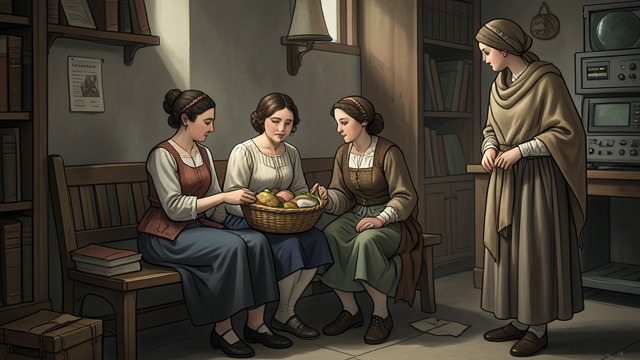
Minnie and Mrs. Leibowitz
Neighbors become helpers
Minnie MacAdorey and Mrs. Leibowitz provide food, care, and attention when the McCourts are overwhelmed. Their help fills gaps left by poverty and the father's absences.
Community across difference
The women support Angela McCourt without requiring sameness of background or religion. Their compassion gives the children a model of care beyond the immediate household.
Nora's Defiance

Nora's Defiance
A woman challenges officials
Nora Molloy resists a relief worker who shames women for smoking and threatens their access to aid. Her humor and defiance help Angela McCourt navigate the charity system.
Solidarity in public
Nora accompanies Angela to a grocery shop and prevents the shopkeeper from shorting her supplies. Mutual assistance turns a humiliating errand into an act of collective resistance.
Bridey at the Fire

Bridey at the Fire
Conversation as refuge
Bridey Hannon visits Angela McCourt, sharing tea, cigarettes, gossip, and songs. Their conversations give Angela companionship in a life otherwise narrowed by childcare and poverty.
A friendship with limits
Bridey provides emotional comfort, but she cannot solve the family's financial crisis. Their bond matters because it makes endurance less solitary.
Aggie's Reluctant Help
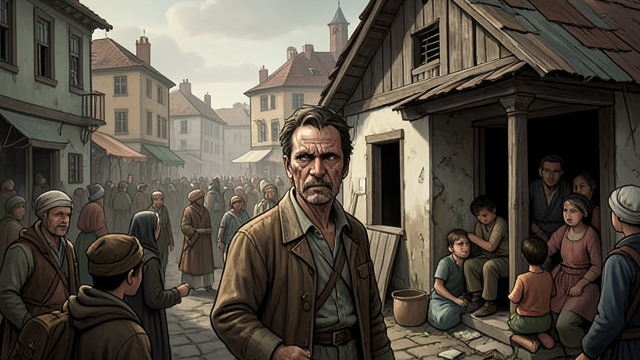
Aggie's Reluctant Help
Shelter despite resentment
Aunt Aggie complains about caring for Angela's children, yet takes them into her home when Angela is hospitalized. Her harshness coexists with practical responsibility.
Care without softness
The children face strict rules and rough treatment, but they are safer than they would be alone. Aggie's role complicates the family's judgments about who can be depended upon.
Women Carrying the Household
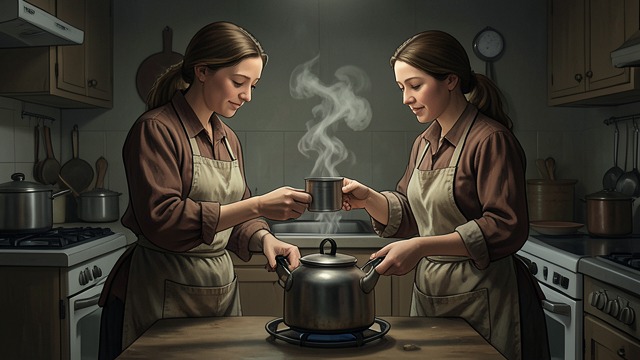
Women Carrying the Household
Daily survival work
Angela McCourt and Bridey Hannon make tea, find food, and share news while the men are absent or unreliable. Their labor is often invisible but sustains the children.
Strength without security
The women's mutual care cannot remove poverty or social stigma. It does, however, create a durable alternative to the authority and pride that fail the family.
During the family's Brooklyn years
During Angela's first relief application in Limerick
During the family's years in Roden Lane
After Angela's pneumonia begins
After the father leaves for England
