Windmill Street
Angela's AshesWindmill Street is the address of a fragile refuge in Limerick: the McCourt family finds a furnished room there after its return from Dublin, but poverty, bereavement, and inadequate sanitation steadily make the dwelling precarious. The street’s shared facilities and exposure to flooding turn the home into both shelter and a daily threat to health and comfort.
Finding a room
After nights spent on floors in Dublin and at Grandma Sheehan’s, Angela and Grandma find a furnished room on Windmill Street. Grandma pays ten shillings for two weeks’ rent and supplies money for food, a kettle, cookware, cutlery, a blanket, and a pillow. She says she can do no more, and insists that Malachy must find work or seek the dole, charity, or relief.
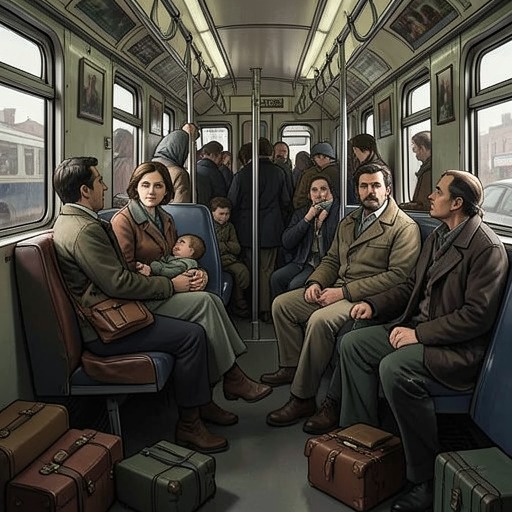
The room has a fireplace, a table, three chairs, and a bed large enough for the family to crowd together. Its modest comforts matter: the family can boil water for tea or an egg, and, after sleeping on floors, the bed lets them rest together. In the moonlight, Frank sees his father reach for Oliver when the child cries in his sleep. The room briefly gives the family a sense of closeness and safety, without resolving the poverty that brought them there.
Poverty and bereavement
Windmill Street becomes the setting for another family crisis when Angela is taken to hospital. Frank sees blood on the floor after she is carried away and fears that she, like Margaret, might be gone forever. Malachy accompanies her; Aunt Aggie tells the children to return to bed and wait. Their father later reassures them that Angela is comfortable in hospital, while the family’s need for support remains unresolved.
The room also holds the family’s grief after Oliver’s death. Frank is preoccupied with the need for food even as his father tells him that his younger brother and sister are dead. Malachy, Angela, their father, and Frank cry together; Eugene remains quiet. Malachy then takes Frank out to seek food from shopkeepers. The next day, the family buries Oliver, and the promise that they will have a special meal in his honor is broken when their father fails to return with the dole money and food. He comes home after the pubs have closed, leaving the children to eat the potatoes they had received the day before.
Housing and sanitation
The family later moves to Roden Lane, above Barrack Hill, but Windmill Street’s experience of inadequate housing anticipates the conditions that continue to constrain their lives. At Roden Lane, a shared lavatory serves eleven families, and a stable stands beside it. The cramped domestic environment is further compromised by rainwater entering the house: when the kitchen floods, the family moves its furniture upstairs and treats the warmer upper floor as “Italy.” These later episodes clarify the larger circumstances of the family’s Limerick housing: shelter is repeatedly improvised within buildings that do not protect them from damp or shared sanitation.
Windmill Street’s place in the family’s history is also connected to work and migration. The family’s dependence on relief and shop credit accompanies Malachy’s eventual departure for factory work in Coventry; after an initial money order, regular support does not arrive. Years later, Frank arranges passage to America from Cork on the Irish Oak. Across these movements, Windmill Street marks not a stable home but one stage in a life repeatedly shaped by scarce money, precarious accommodation, and separation.