Rules for Avoiding a Horrific Hangover
AnimalsRules for Avoiding a Horrific Hangover are a morning-after regimen that turns the damage of heavy drinking into a set of manageable instructions. The narrator’s list—avoid news and parental phone calls, get fresh air if the body can tolerate standing, watch sitcoms, and eat carbohydrates—offers practical limits against both physical discomfort and spiralling thoughts. Its importance lies in that double purpose: recovery is treated as a bodily task, but also as a time to keep difficult subjects at bay.
The Routine and Its Logic
The rules emerge after a day of Self-charming, whose effects are described as stable but critical. The narrator is to avoid thinking about endings or looking down, and to make no forensic autopsy of the previous night. Even the morning’s confused attempt to interpret a hand gesture—mistaking a signal for no for the number five—belongs to a state in which close analysis is best postponed.
The physical details make the routine concrete. The narrator wakes with a swollen tongue, unbrushed teeth, and a furry mouth; the advice to seek fresh air is qualified by the difficulty of tolerating the vertical plane. Sitcoms and carbohydrates offer undemanding alternatives to news, while avoiding parental calls protects the morning from additional demands. The rule does not promise to undo the previous day; it narrows what must be faced while the body recovers.
Substance Use Around the Rule
The surrounding episodes place this modest regimen in a broader landscape of drug and alcohol use. Tyler brings home a large jar of mandy stolen from a dealer and insists that it belongs in the freezer for freshness, though the jar is too large for the ice box. Later, she admits to snorting the drug once or twice and says she had reached a point where she needed variety. These details do not form part of the hangover instructions, but they show how casually dangerous substances enter the characters’ everyday routines.
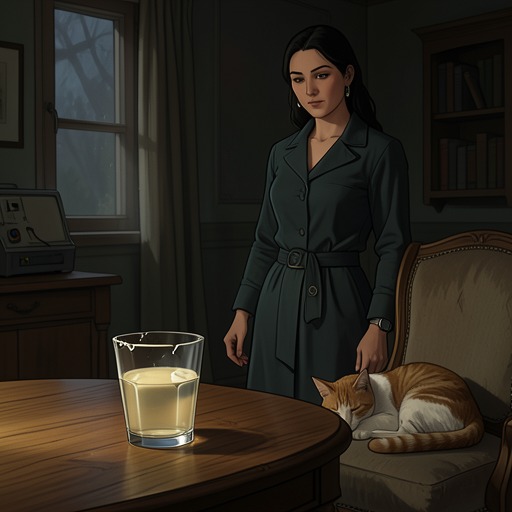
The contrast is sharpest when Tyler is seriously unwell. The narrator finds wine glasses containing purple liquid and, uncertain whether the mandy is gone, decides to call an ambulance. Tyler refuses hospital care, arguing that she would only be put on a drip, kept waiting, and lectured or sent to rehab; she describes the episode as a bad day. The refusal shows the limit of any informal strategy for managing the aftermath of intoxication: practical rules for a hangover cannot settle the risks of a more severe crisis.
Care Beyond the Checklist
Although Tyler resists going to hospital, the narrator continues to respond to her immediate physical needs. Tyler is too weak to walk unaided, so the narrator supports her to the bathroom, helps her undress and step into a bath, and washes her slowly and gently. This careful attention differs from the hangover regimen’s emphasis on avoiding demands and postponing analysis. In the earlier morning, the rules make recovery smaller and more bearable; here, another person’s condition requires sustained, hands-on care.
Taken together, the rule and its surrounding scenes distinguish ordinary aftermath from acute danger without turning either into a moral lesson. The instructions are deliberately limited—fresh air only if tolerable, simple food, familiar television, and no premature reckoning. Their practical restraint is also their boundary: when Tyler is too weak to stand, care becomes personal and immediate, and the checklist gives way to the narrator’s physical support.