
The Household’s Theft Economy
AuerhausShoplifting evolves from a means of keeping the household supplied into a shared technique that tests trust, fear, and moral justification.
increasing Bearing strength in each event
 decreasing
Bearing strength in each eventdecreasingA Tight Kitchen Budget
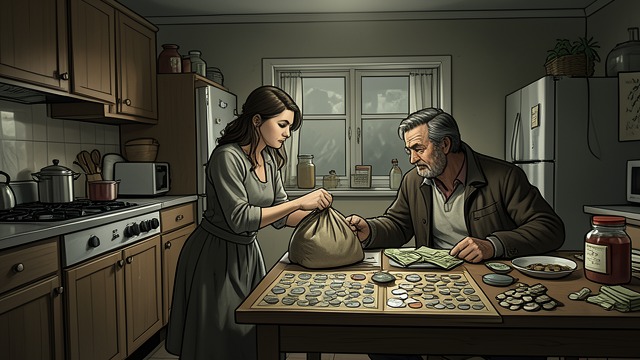
A Tight Kitchen Budget
Scarcity
The residents rely on discounted food, bread exchanged for grain, Höppner’s chicken-farm wages, and a survivor’s pension. Their shared funds run out quickly, while Cäcilia refuses money from her parents.
A Compromise Begins
Höppner sells his coin collection to keep the kitchen supplied. The sacrifice makes clear that the household’s idealism depends on material choices, not merely on warm feelings.
The First Successful Theft
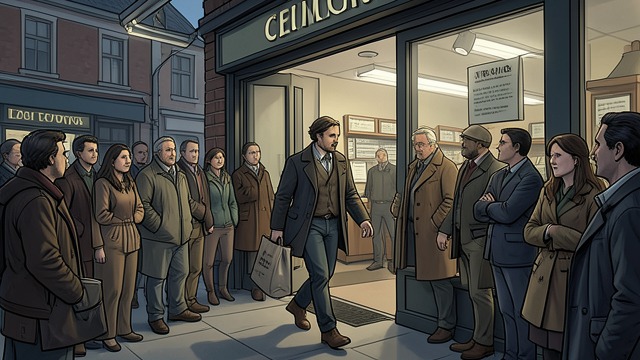
The First Successful Theft
Learning the Technique
Vera and Frieder teach the others how to take goods without drawing attention. Frieder turns shoplifting into a sequence of observations, casual gestures, concealment, and eye contact.
The Thrill of Escape
Höppner steals food and discovers the exhilaration of leaving the shop without being stopped. The experience feels like a new form of mobility, but it also makes the group dependent on secrecy.
A Shared Accounting Rule
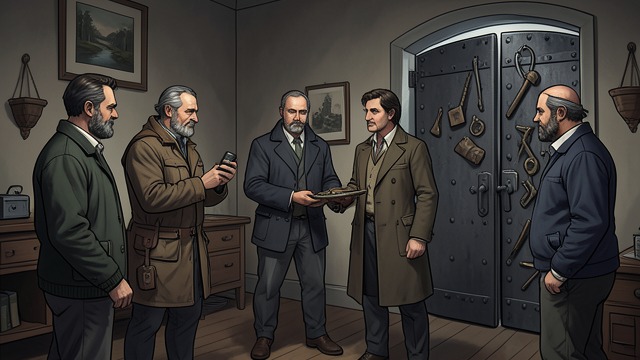
A Shared Accounting Rule
Private and Collective Gain
Frieder proposes that stolen items count as half their retail price toward the household fund. Individuals keep part of the benefit while the collective still receives food and drink.
A Moral Fiction
The scheme is presented as an economic theory that increases prosperity through theft. Its playful arithmetic lets the residents avoid confronting the full ethical and legal meaning of what they are doing.
Getting Caught

Getting Caught
Frieder’s Confidence
Frieder continues to steal even after being noticed at the shop. His calmness seems connected to having already faced a greater fear, and the narrator wonders whether nothing can frighten him anymore.
Consequences Enter
The group worries that Frieder’s parents may learn about the theft and expel them. A shopkeeper later gives him a ban but declines to make a criminal complaint, a reprieve that does not erase the risk.
The Last Borrowed Atlas
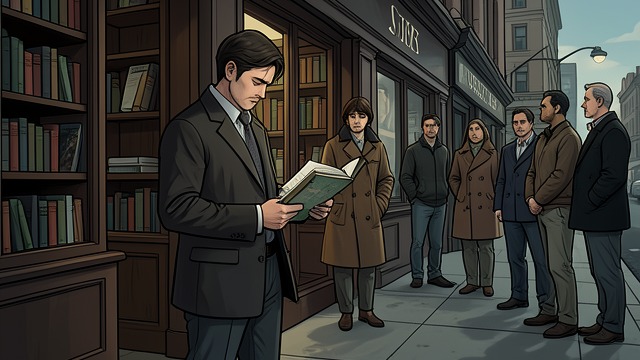
The Last Borrowed Atlas
Theft as Habit
On the way to find a route, Frieder makes a spectacle outside a bookstore and takes a road atlas. He insists he will return it after the trip, rebranding theft as a temporary loan.
An Ending Gesture
The act shows that the household’s habits persist even as its shared life is ending. It is playful and affectionate, but also a reminder that their improvised economy has never been entirely harmless.
early in the shared household’s first winter
before Christmas, after the money runs low
during the household’s shoplifting lessons
winter, after Höppner’s first successful attempts
the week the residents prepare to move
