
Work, Survival, and the Chicken Farm
AuerhausHöppner’s job among the chickens links economic necessity to the narrator’s reflections on labor, violence, and conscription.
increasing Bearing strength in each event
 decreasing
Bearing strength in each eventdecreasingTaking the Job
Taking the Job
A Substitute Worker
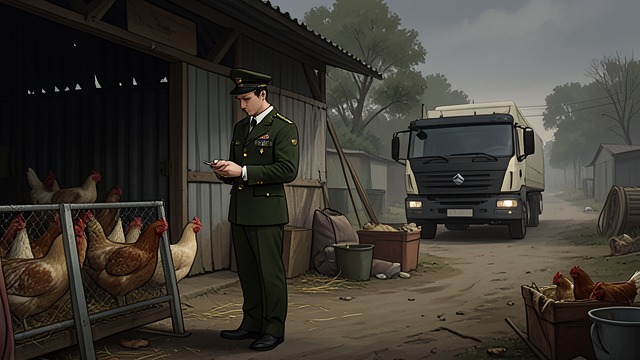
Höppner takes a job at a large chicken farm from a young man who has been called up for military service. Every ride to the sheds reminds him that his own notice may arrive.
Work and Avoidance
The wages help him buy a television and later support the shared household. The job gives him some independence while making the machinery of conscription impossible to ignore.
The Night Shift
The Night Shift
Repetitive Labor
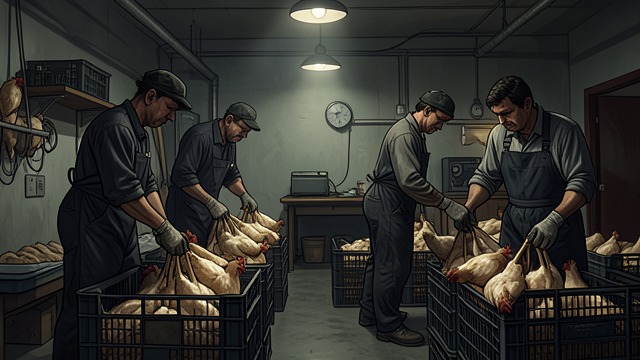
Workers catch chickens, hold their legs, and pack them into plastic crates for the truck. The animals struggle until they are crowded together, and the task requires speed and concentration.
An Industrial Rhythm
The shift divides people into catchers, carriers, and stackers. The narrator’s language makes the work both practical and disturbing, a routine in which living creatures become cargo.
A Severed Foot
A Severed Foot
An Accident
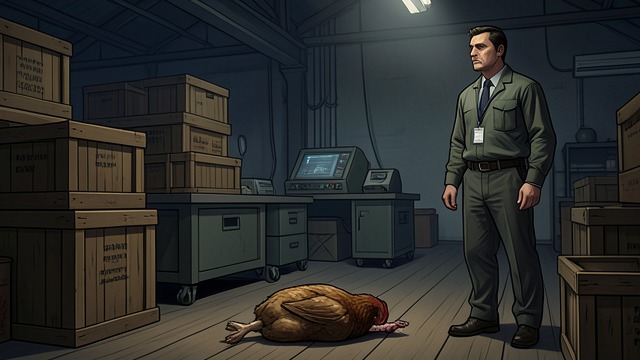
A chicken’s foot is cut off when a crate is stacked, and it lands near Höppner. The supervisor treats the injury as ordinary and tells a grotesque story about a leg that once hopped away.
Casual Violence
The workers’ jokes make the damage bearable enough to continue, but they also reveal a system that absorbs suffering as routine. Höppner watches the boundary between work and cruelty become difficult to distinguish.
The Word of the Returned Soldier
The Word of the Returned Soldier
A Warning
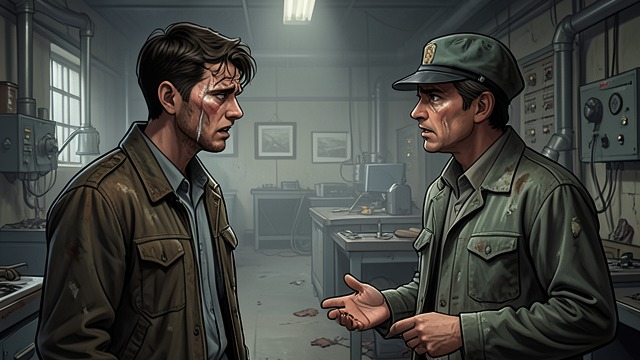
The young shift leader describes military service as miserable, recounting invasive examinations and humiliation at the conscription process. His bluntness confirms Höppner’s suspicion that military life will not suit him.
A Narrowing Choice
The conversation does not tell Höppner how to avoid service. It makes his resistance more concrete while exposing that the people who have already endured the system cannot simply release him from it.
The Job as Household Support
The Job as Household Support
Wages Shared
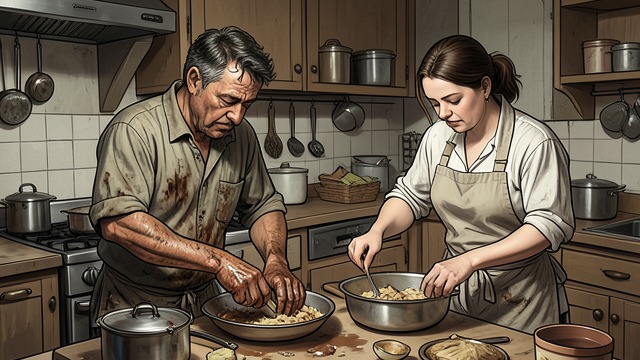
Höppner continues working at the farm while Frieder contributes labor at home and the group stretches every source of money. His wages help keep the kitchen functioning.
A Different Kind of Burden
The job is neither a grand vocation nor a simple escape. It is exhausting work that sustains a chosen community while reminding Höppner that freedom often depends on practical labor.
before Frieder’s hospitalization
during an evening shift at Hall 9
during a pause in the same shift
during a later shift break
during the Auerhaus winter
