
From Birth to Death
AuerhausThe novel tests the social life script of birth, school, work, and death against the unruly experiences of its young characters.
increasing Bearing strength in each event
 decreasing
Bearing strength in each eventdecreasingThe Song in School
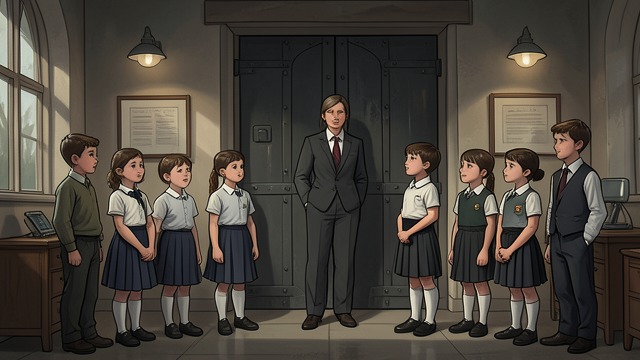
The Song in School
A Repeated Formula
The phrase Birth, School, Work, Death names a predictable sequence that Höppner hears behind school routines and adult expectations. His classmates appear ready to move from grades to careers without asking what life is for.
Refusal
The Auerhaus residents reject the idea that their futures should be filed away in orderly folders. Their refusal is not a polished political program but a desire to remain open to other ways of living.
School as Sorting
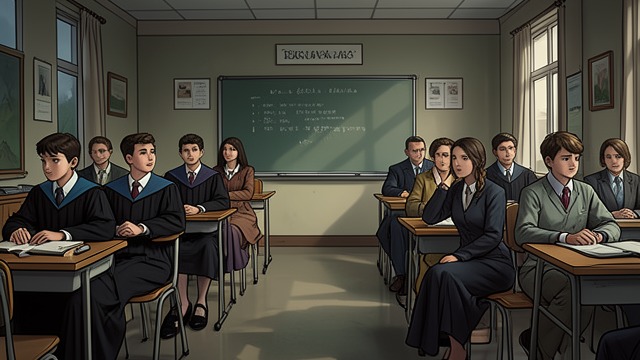
School as Sorting
A Predicted Future
The narrator sees classmates inherit professional lives from their parents, as if education were a route into preassigned roles. School teaches useful subjects but rarely answers the question of why anyone should live.
Unequal Outcomes
Teachers treat Frieder and Höppner differently after the suicide attempt, while Cäcilia objects to perceived unfairness in grading. The institution that claims to assess merit also responds to fear, reputation, and circumstance.
Work as Necessity
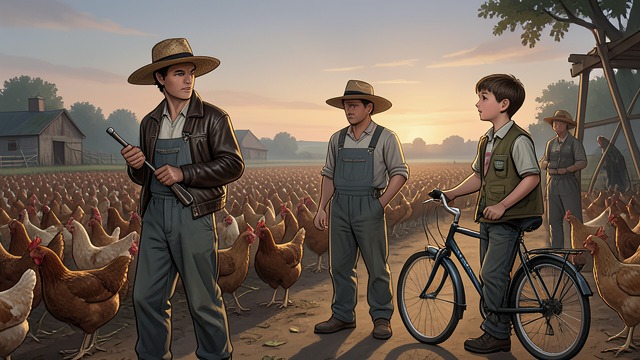
Work as Necessity
Jobs and Survival
Höppner works at the chicken farm, Harry trains as an electrician, and Frieder contributes farm labor. Work is not an abstract stage in a life plan but the means by which people eat, travel, and remain housed.
Different Futures
The friends imagine unconventional directions, including bicycle repair, fashion, and leaving the village. Their hopes challenge the formula without proving that escape from it will be easy.
The Abitur Breaks
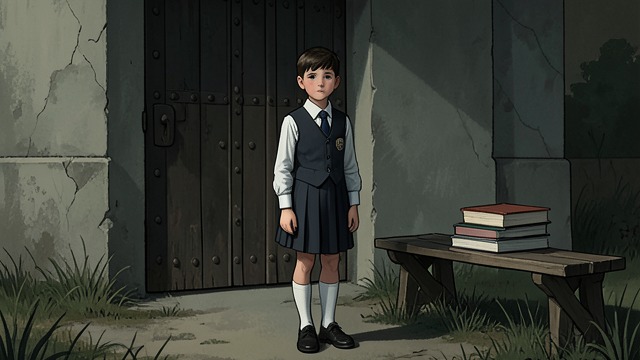
The Abitur Breaks
A Failed Transition
Höppner’s oral examination failure prevents him from moving directly from school into the future he expected. The outcome contrasts with Frieder’s high academic ability and exposes the contingency of institutional success.
A Life Outside the Sequence
Höppner works rather than immediately completing school. The script of school followed by work is neither wholly escaped nor followed in the anticipated way; his path becomes irregular and self-directed.
A Memory Beyond the Script
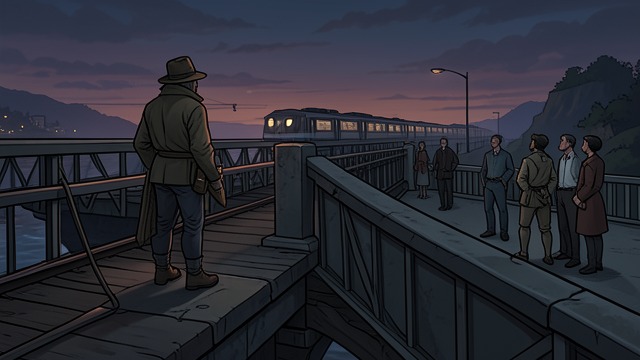
A Memory Beyond the Script
An Incomplete Story
The imagined future credits the characters with careers and families, but the narrator admits that such an ending is a wishful simulation. In reality, Frieder dies and the household’s future is less orderly.
The Life Actually Lived
The novel refuses to call a life failed simply because it ends in death or departs from a conventional path. Auerhaus matters as a real period of connection, not as a guaranteed route to a perfect ending.
early in the school year
during the final school year
during the Auerhaus winter
at the end of the examination period
after the Auerhaus period
