
Games Against the World
AuerhausThe friends use jokes, role-play, and theatrical gestures to resist authority, while discovering that play cannot always contain real danger.
increasing Bearing strength in each event
 decreasing
Bearing strength in each eventdecreasingNicknames and Comic Distance
Nicknames and Comic Distance
Naming the Antagonist
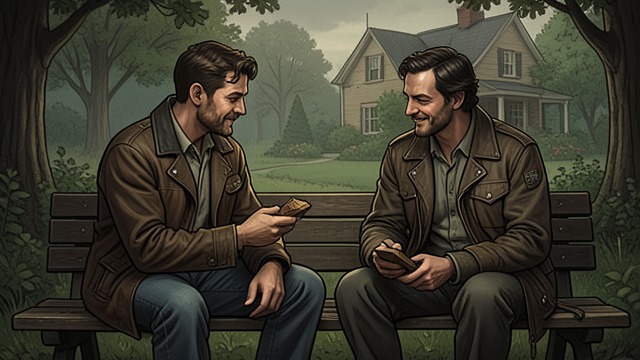
Höppner and Frieder call the mother’s boyfriend F2M2, turning a painful domestic figure into a shared joke. Humor gives the narrator a way to describe his anger without confronting the man directly.
A Limited Shield
The nickname cannot stop the renovations, insults, or drinking. It offers a private language of resistance, showing that jokes can create solidarity without changing the material balance of power.
The Theft Training Center
The Theft Training Center
Rehearsal
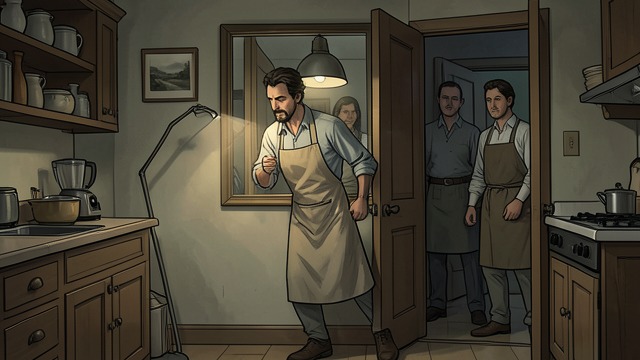
Frieder labels the kitchen a training center and teaches the others to act like ordinary shoppers. They practice identifying mirrors, detectives, and moments when goods can disappear.
Performance as Protection
The lesson treats theft as choreography and confidence as camouflage. Its comic theatricality helps Höppner overcome fear, while making the group’s transgression feel like a game they can master.
The New Year’s Countdown
The New Year’s Countdown
A Shared Performance
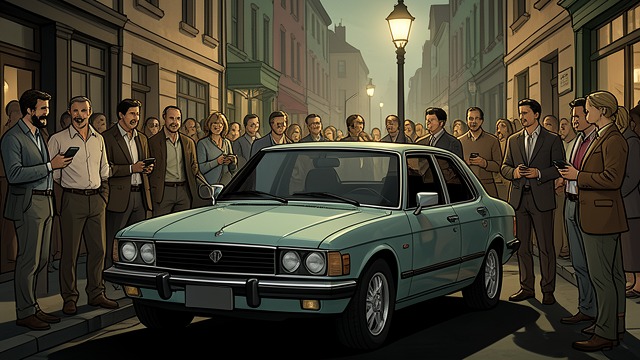
Axel’s car supplies the music for the countdown as schoolmates, psychiatric patients, and gay visitors gather outside the house. The group’s loud celebration takes over the village street.
Fear Within the Party
Höppner suddenly imagines this may be their last New Year together. His panic inside the locked car reveals that collective celebration does not erase private fear or make the future secure.
The Mock Gunfight
The Mock Gunfight
Imaginary Targets
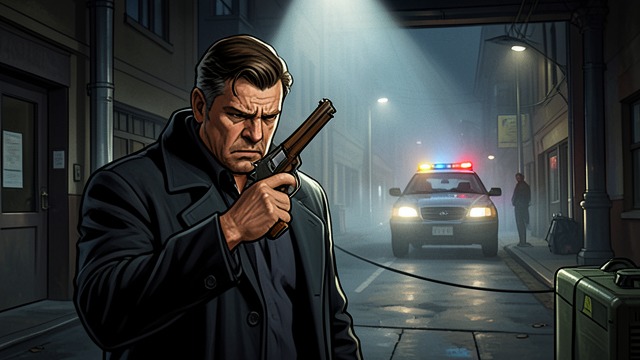
The friends use a wooden pistol and a moving searchlight to shoot at invented enemies, including loneliness and sadness. The scene gives their fears visible targets and lets them laugh at what usually feels overwhelming.
The Game Breaks
At the traffic light, the police officer does not share the game’s assumptions. The resulting pursuit proves that a performance can become a real threat when outsiders cannot see the joke.
The Narrator’s Imagined Ending
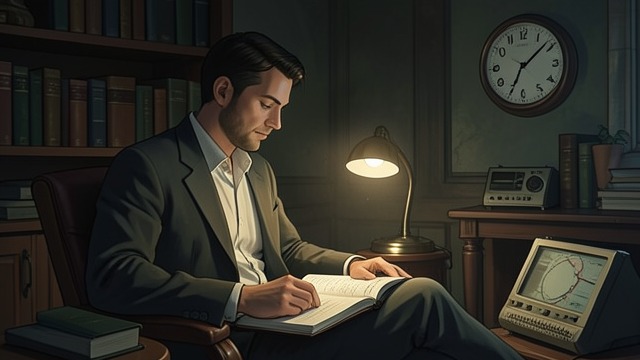
The Narrator’s Imagined Ending
A Simulated Future
Höppner imagines a future of academic success, family life, and careers for the residents. He recognizes that the picture is a comforting simulation with no crashes or deaths.
Reality Resists the Script
The actual ending is more ambivalent: Frieder dies, relationships change, and the household disperses. The contrast shows that imagination can comfort, but cannot make reality obey a desired plot.
during Höppner’s life with F2M2
before the Christmas holidays
minutes before midnight
winter, after the documentary film
in the final recollections
