
Remembering Frieder
AuerhausThe narrator’s acts of storytelling preserve Frieder as more than the manner of his death, while acknowledging that memory cannot restore him.
increasing Bearing strength in each event
 decreasing
Bearing strength in each eventdecreasingThe Christmas Opening
The Christmas Opening
An Image of Action
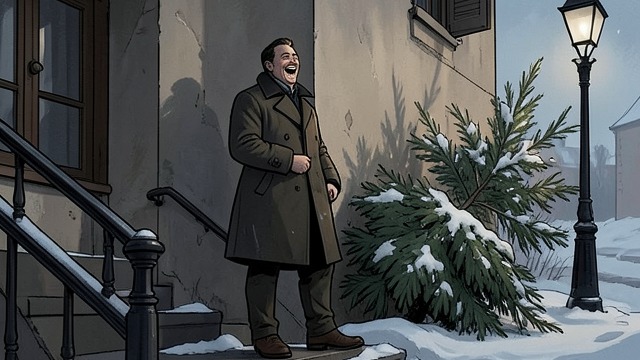
The story opens with Frieder laughing on the stairs after cutting down the village Christmas tree. Snow, the blackout, and the fallen tree make his act vivid before its causes are known.
Refusing a Single Beginning
The narrator says the episode is neither the beginning nor the end, yet it is what everyone should know about Frieder. The opening establishes that memory is shaped by the storyteller’s choice of what to tell first.
The Visitors’ Notes
The Visitors’ Notes
A Table of Messages
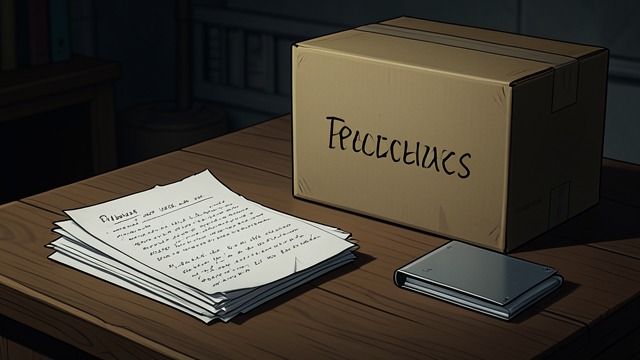
Visitors leave notes on scraps of paper in the open house. Höppner saves them, dates them, and files them under an oversized title about the memory of humanity.
Small Records
The notes preserve requests, household advice, a shop ban, and a heart with no named recipient. Their triviality gives them emotional value because they record ordinary contact that no formal history would keep.
The Funeral Crowd
The Funeral Crowd
Public Grief
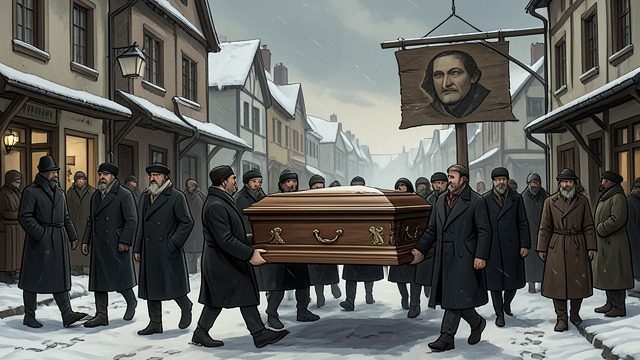
Villagers, teachers, and officials gather as Frieder’s coffin emerges from the funeral hall. Its size and weight make his death physically present to those who had known him as a living friend and neighbor.
A Story Beyond the Coffin
The narrator resists starting Frieder’s story with the funeral. He does not deny death; he refuses to let the final scene determine the meaning of everything that came before it.
The Diary’s Testimony
The Diary’s Testimony
A Father Speaks
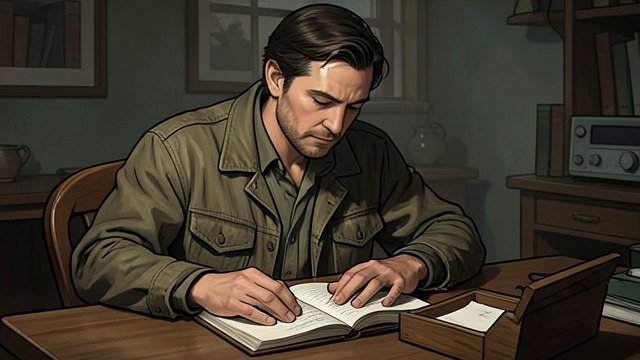
Frieder’s father shares a line from the diary about Auerhaus being Frieder’s best time. He repeats Frieder’s account of feeling fully present after bringing down the tree.
Memory Passed On
The private writing helps the survivors hear Frieder’s own voice after his death. It does not answer why he died, but it adds an account of what his life meant to him.
The Recorded Music
The Recorded Music
A Package Arrives
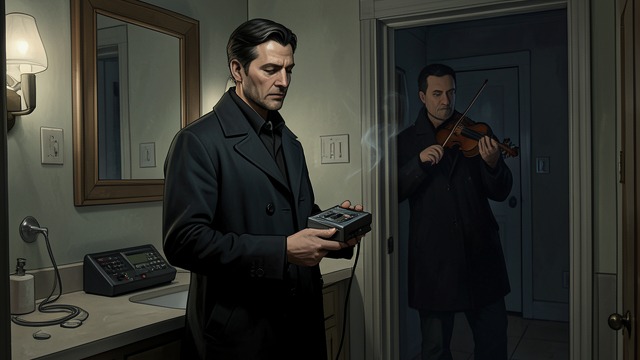
A package from Pauline brings a cassette with mournful violin music. The sound is poor and seems as if it were recorded in a bathroom, but it carries a connection to people the narrator has lost.
Speaking to Memory
Höppner continues imagining conversations with Frieder, then recognizes that he is speaking to his own memory. He stops briefly and begins again later, showing how grief returns without becoming a literal reunion.
the novel’s opening recollection
during the household’s months at Auerhaus
Gründonnerstag, at the funeral procession
after the funeral, at the village inn
after the narrator settles in Berlin
