
A Home That Cannot Cure
AuerhausAuerhaus provides structure and belonging, but the story refuses to present communal care as a cure for mental illness or loss.
increasing Bearing strength in each event
 decreasing
Bearing strength in each eventdecreasingThe Hospital’s Routine
The Hospital’s Routine
Structured Days
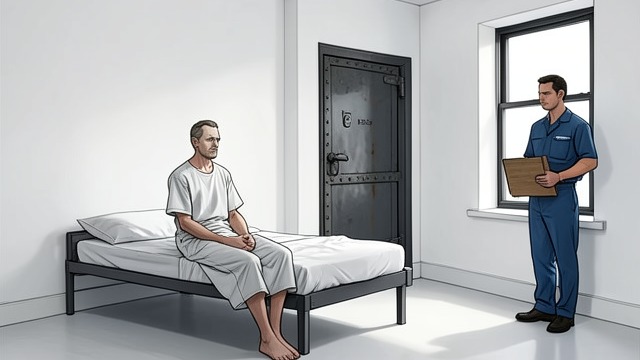
Frieder’s life in the hospital is shaped by medication, meals, conversations, and occupational therapy. The narrator sees patients whose apparent recovery or disappearance cannot be easily understood from outside.
Limits of Observation
The ward gives Frieder professional support, but its routines also make him seem detached and diminished. The narrator cannot decide whether staying there is safer or whether it is slowly erasing the person he knows.
Building Daily Structure
Building Daily Structure
A Household Rhythm
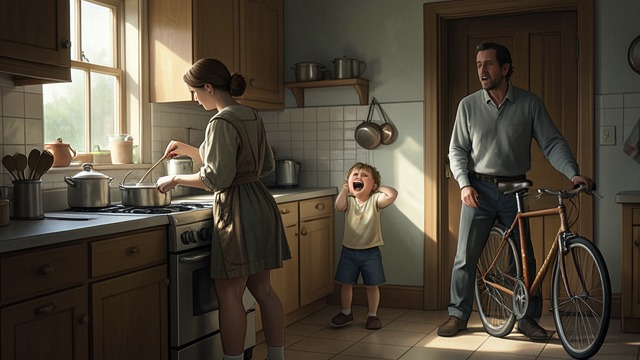
The residents establish meals, school trips, errands, and shared chores. Frieder participates in cooking and jokes, while the others keep a discreet watch over his moods.
Care in Ordinary Acts
The structure offers stability without claiming to be treatment. A meal or a bicycle ride can make a day livable, but none gives the friends certainty about what Frieder may do next.
The Daily Watch
The Daily Watch
Fear at Home
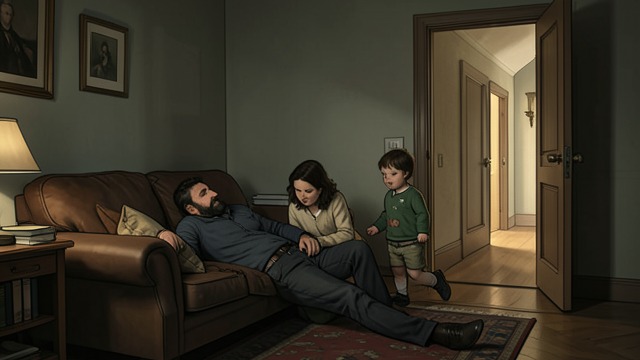
When Frieder fails to appear at school, the residents imagine finding him dead. They rush back to the house and discover that the apparent emergency concerns Harry collapsing after cannabis use, not Frieder.
Vigilance’s Cost
The false alarm reveals how thoroughly the group’s attention has been reorganized around possible suicide. Even ordinary illness or absence can trigger a crisis because none of them knows what signs are reliable.
The House Falls Apart
The House Falls Apart
Strain Accumulates
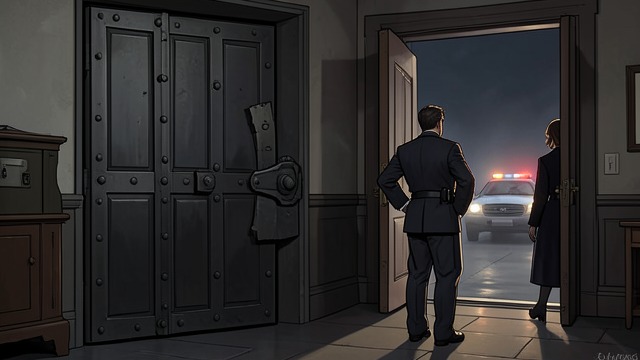
Cäcilia leaves to protect her legal position, the police investigate the household, and the residents face community service and other penalties. Their home remains welcoming but becomes increasingly vulnerable to outside pressure.
No Permanent Refuge
The residents move on when Harry’s apprenticeship ends. Auerhaus was capable of sheltering people temporarily, but not of removing the social, legal, and psychological forces that shaped their lives.
The House Afterward
The House Afterward
Remembered Difference
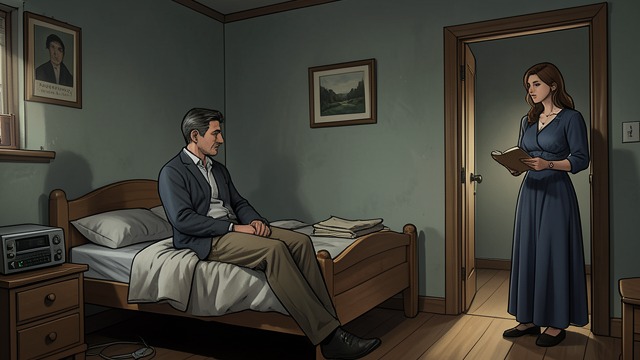
After the household ends, Frieder lives alone in a small room and struggles to be among other people. The narrator visits and keeps talking, recalling the shared house as proof that Frieder once experienced another kind of life.
Care Without Rescue
That memory matters but does not prevent Frieder’s death. Auerhaus is neither a cure nor a failure; it is a temporary relationship that made loneliness different while it lasted.
during Frieder’s locked-ward stay
the first weeks at Auerhaus
during the household’s winter
after legal pressure and Cäcilia’s departure
years after the village period
