
Frieder’s Life and Death
AuerhausFrieder’s trajectory moves from a failed suicide attempt and fragile communal life to a later death that remains difficult to explain.
increasing Bearing strength in each event
 decreasing
Bearing strength in each eventdecreasingThe Attempt
The Attempt
Pills and Wine
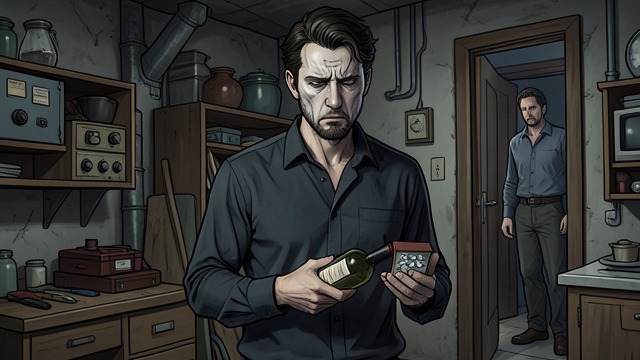
Frieder collects his mother’s sleeping pills and swallows them with wine in the cellar. His father finds him while searching for an axe, and Frieder wakes after emergency treatment with a tube in his throat.
Survival Without Certainty
The survival does not provide a clear explanation for his despair. When the narrator asks about the attempt, Frieder cannot supply a simple cause, making continued life an unresolved question rather than a solved problem.
Life in the Locked Ward
Life in the Locked Ward
Institutional Days
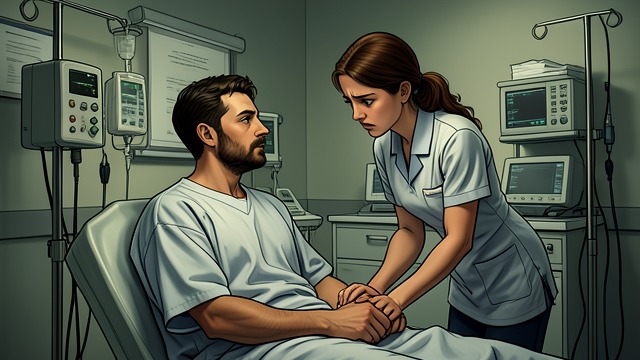
Frieder spends weeks in the psychiatric hospital, where medication, scheduled meals, and occupational therapy structure his days. The narrator visits regularly and learns that the ward’s patients cannot be reduced to the labels outsiders give them.
A New Connection
Frieder meets Pauline and smiles in her company. His moments of animation suggest possible attachment, but neither the narrator nor the reader can mistake brief improvement for certainty about the future.
A Shared Life

A Shared Life
Ordinary Commitments
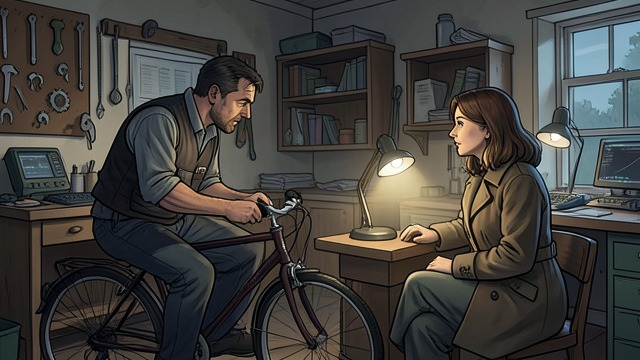
At Auerhaus, Frieder cooks, studies, cycles, jokes, and takes part in household schemes. His friends monitor his moods without always knowing what they mean, and ordinary domestic life becomes a form of mutual attention.
Possibility Returns
He speaks about a future trade and experiences moments of intense presence. These episodes are not proof that his vulnerability has vanished, but they show that his life includes desires and plans beyond the crisis that brought him to the hospital.
Leaving the Auerhaus
Leaving the Auerhaus
A Smaller World
Frieder begins training as a bicycle mechanic and lives in a furnished room in a small Hessian town. He visits the narrator in Berlin, where the two talk for long weekends as Frieder struggles to go among other people.
Remembered Difference
The narrator tells Frieder that life was once different, even when Frieder insists it never changes. Their conversations preserve the memory of community, but cannot restore the shared house or guarantee that Frieder can remain safe alone.
The Uncertain Death
The Uncertain Death
Found Too Late
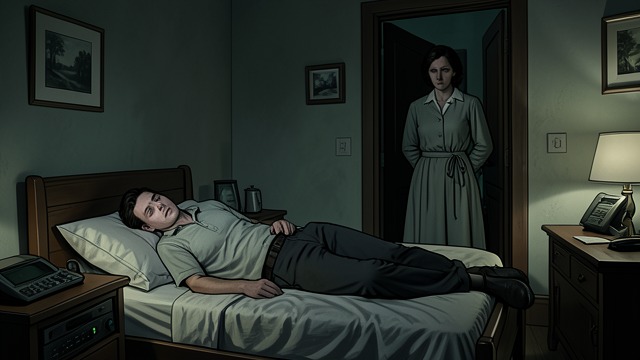
Frieder dies alone in his room, and his landlord discovers him several days later. His parents’ notice calls it a long illness, a description the narrator recognizes as both truthful and incomplete.
No Final Explanation
Friends wonder whether he misjudged the dose or intended to die, and the death leaves both possibilities open. The narrator remembers Frieder’s good mood before the end but cannot turn that memory into a reliable answer.
late summer, before his hospitalization
late summer through autumn
winter, after Frieder leaves the hospital
after the house disperses
a few days before the funeral
