
The Friendship That Watches
AuerhausHöppner and Frieder’s friendship develops from school companionship into imperfect care, shared humor, and lasting grief.
increasing Bearing strength in each event
 decreasing
Bearing strength in each eventdecreasingBefore the Crisis

Before the Crisis
Ordinary Companionship
Höppner and Frieder have known each other since school and become close through cycling, cinema trips, and studying. Frieder can make difficult physics understandable to his less confident friend.
A Shared Language
Their jokes and nicknames make affection possible without direct emotional declarations. The friendship is already important before the crisis, though neither boy has learned how to speak openly about sex or despair.
Visiting the Hospital
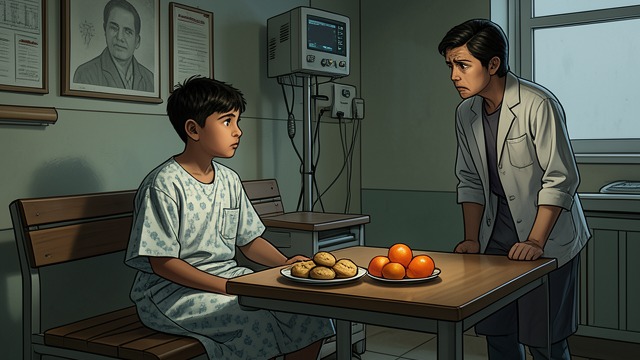
Visiting the Hospital
An Awkward Visit
Höppner brings biscuits and mandarins to the psychiatric hospital but struggles to ask Frieder why he attempted suicide. Their conversation moves through teasing, silence, and the painful fact that Frieder fears never having slept with a woman.
Friendship Without Answers
Höppner cannot provide a reason or a cure. Returning every few days, helping with homework, and reporting on school become practical expressions of loyalty when no convincing words are available.
The Walk into Town

The Walk into Town
Fear of Loss
When Frieder leaves the hospital park, Höppner panics that he will run toward a train. He follows, aware that a wrong choice might make him responsible for a friend’s death.
Trust in Motion
Frieder explains that he wants to see something other than patients and depression. Höppner takes his hand on the bridge, and the friendship becomes an act of accompanying a choice rather than imposing one.
Care Becomes a Household
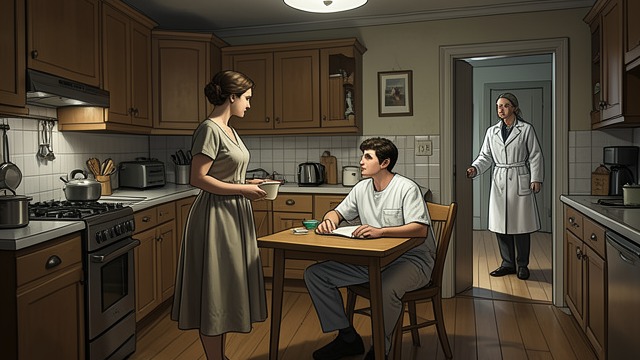
Care Becomes a Household
Shared Vigilance
Höppner, Vera, and Cäcilia build routines around Frieder while resisting the idea that he is only a patient. The narrator nevertheless watches his moods and fears finding him dead at home.
A Difficult Principle
Frieder tells Höppner that he may rescue him from immediate danger, but he wants the ultimate choice to remain his. The exchange leaves their care bound to respect, fear, and uncertainty.
Talking Afterward
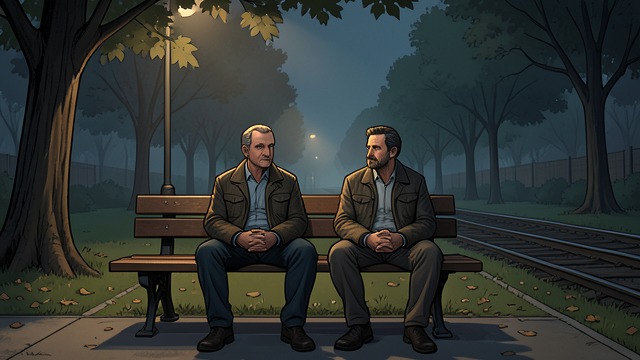
Talking Afterward
Long Visits
After Auerhaus ends, Frieder visits Höppner in Berlin, and they talk through weekends. Frieder appears isolated and unable to join ordinary social life, while Höppner tries to remind him that things once changed.
The Limits of Presence
Their conversations feel like a spiral approaching a center, but they do not stop Frieder’s later death. The friendship remains real precisely because it cannot be mistaken for control over another person’s survival.
their school years before Frieder’s attempt
the first weeks after the attempt
autumn, Frieder’s first outing from the ward
winter, after Frieder moves into Auerhaus
after Frieder moves to Hessen
