
Death and the Failure of Completion
Being and NothingnessThis thread follows the argument against treating death as the meaning-giving completion of a life.
increasing Bearing strength in each event
 decreasing
Bearing strength in each eventdecreasingDeath as Limit
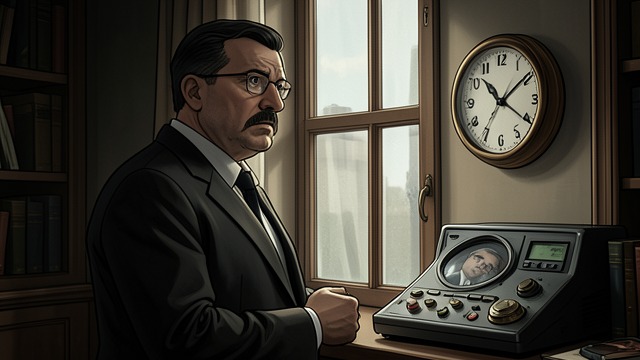
Death as Limit
A Possible Ending
Death is often imagined as the final boundary that gives a life its shape. This view promises a completed account of existence.
Challenge
The argument asks whether death belongs to the for-itself's own possibilities or arrives as a contingent fact from outside.
Waiting for Death

Waiting for Death
A False Project
A person can anticipate a particular execution or illness, but cannot wait for death in general as a determinate future event.
Undetermination
Death may arrive at any time or not at the expected time. Its possibility disrupts rather than completes ordinary projects.
The Interrupted Writer

The Interrupted Writer
Unfinished Meaning
A writer's first book may be a beginning, a failure, or a final achievement depending on what follows. Death can interrupt before the project is settled.
Contingency
The dead writer's destiny is determined by the point at which life stops, not by a meaning the writer could choose in advance.
The Other's Judgment
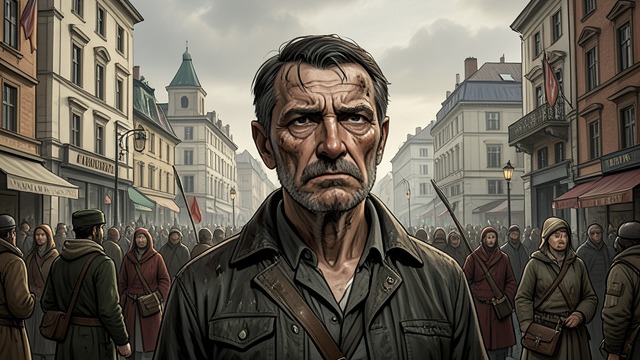
The Other's Judgment
Life Made Object
After death, the living interpret a life that can no longer answer them. The person's being-for-others becomes a fixed public reality.
Alienation
Death gives others authority over the meaning of the dead person's past, while the dead remain unable to reclaim it.
Absurdity Rather Than Closure
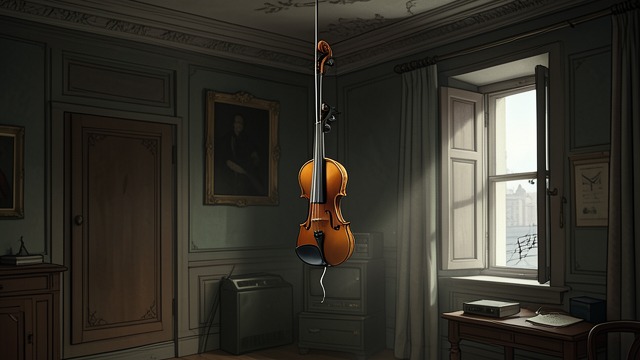
Absurdity Rather Than Closure
No Final Chord
Death does not complete the melody of life or guarantee a coherent ending. It may leave the person's projects suspended and their meaning unsettled.
Result
The life remains vulnerable to reinterpretation, and death is an absurd contingency rather than a chosen fulfillment.
Part Four, Chapter Two, Section I, opening of death discussion
Part Four, Chapter Two, Section I, discussion of waiting
Part Four, Chapter Two, Section I, example of a writer
Part Four, Chapter Two, Section I, discussion of posthumous life
Part Four, Chapter Two, Section I, conclusion
