
The Weight of a Past Choice
Being and NothingnessThis thread follows how the for-itself chooses a past, becomes bound to it, and may reinterpret it through a changed project.
increasing Bearing strength in each event
 decreasing
Bearing strength in each eventdecreasingPast as Chosen

Past as Chosen
No Neutral Inheritance
The past is not a store of facts that acts by itself. The living person assumes it through a present project.
Facticity
The person cannot remove what happened, but can change the meaning under which the past is carried forward.
A Project Reorders Memory

A Project Reorders Memory
Changing Emphasis
A new end can make an earlier act appear as preparation, failure, betrayal, or accident. The event remains while its place in the life changes.
Limits
The past is not freely rewritten in every detail. Its content is fixed even as its significance remains open.
The Soldier's Identity
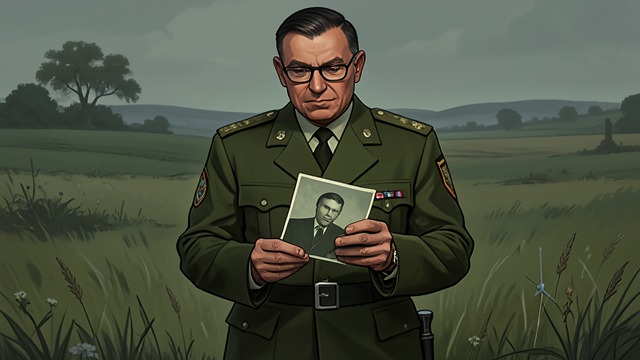
The Soldier's Identity
Assumed Past
A retired soldier may choose to understand himself through a former campaign and its hardships. His present conduct keeps that past alive.
Self-Confirmation
The chosen identity shapes later actions, reinforcing the meaning the person has given to the events he cannot change.
Memory as an Order
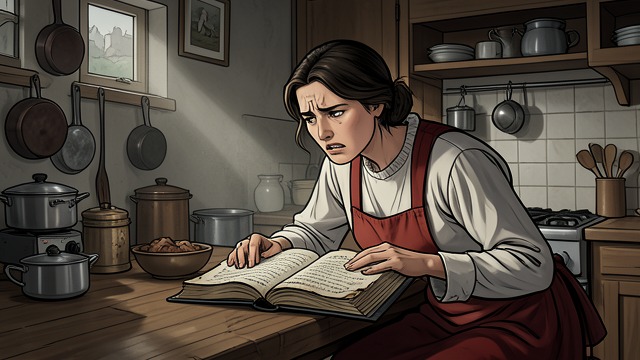
Memory as an Order
Practical Demands
A remembered commitment may seem to command the present, but its urgency comes from the person's current choice to honor it.
Reassumption
The past has force only when freedom recovers it. Refusing it is also an act that gives it a new meaning.
The Past's Open Meaning

The Past's Open Meaning
No Final Judgment
A life can be assessed only within a project that selects and interprets its episodes. While the person lives, the assessment remains revisable.
Ethical Stakes
Responsibility concerns not only present action but the way a person carries and redefines what has already been.
Part Four, Chapter One, Section II, discussion of the past
Part Four, Chapter One, Section II, discussion of historical choice
Part Four, Chapter One, Section II, example of the retired soldier
Part Four, Chapter One, Section II, after the soldier example
Part Four, Chapter One, Section II, conclusion
