
The Past's Transformation into Destiny
Being and NothingnessThis thread follows the changing relation between lived action, the past, and the meaning imposed after death.
increasing Bearing strength in each event
 decreasing
Bearing strength in each eventdecreasingA Life in the Present
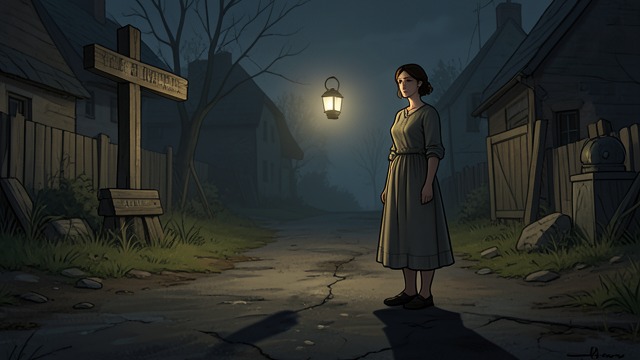
A Life in the Present
Becoming a Past
A person is not a collection of completed states. The living for-itself must assume its past while remaining separated from it.
Tension
Every description of what the person is already belongs to a past that the present can still surpass.
The Former Student
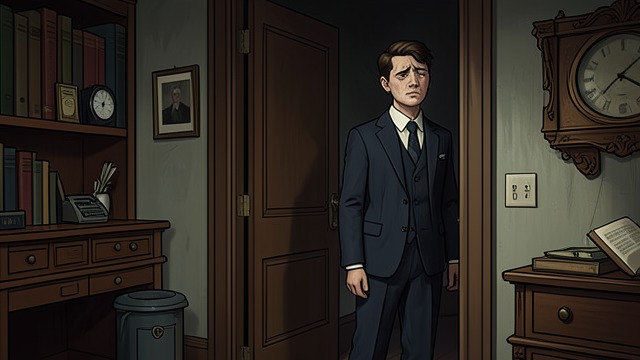
The Former Student
One Life, Several Ages
The adult and the adolescent who attended school are not separate persons. The present person is responsible for having been the former student.
Continuity
The past is neither a surviving present impression nor an isolated earlier self. It is the present's own mode of having-been.
Pierre's Death
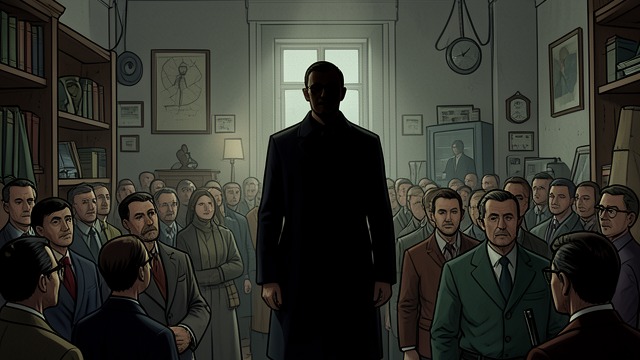
Pierre's Death
The Survivor's Burden
After a friend dies, the living survivor becomes responsible for carrying the friend's past into the present. Death fixes the life as destiny.
Changed Relation
The dead person no longer reassumes his past freely. Others now interpret and preserve it, or allow it to disappear.
The Past Becomes In-Itself
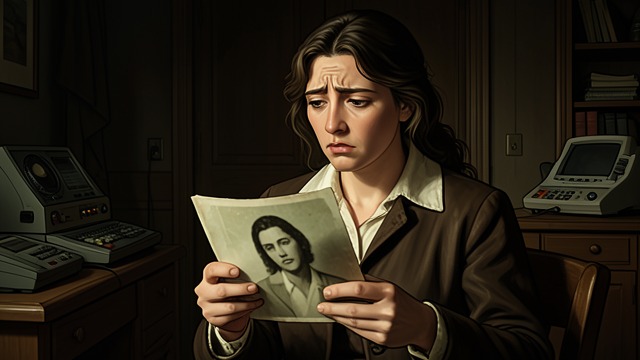
The Past Becomes In-Itself
Irremediable Identity
What has been becomes fixed and cannot be changed in its content. The living person must still assume it without being identical to it.
Meaning Remains Open
The past's significance can change when a new project reinterprets it, even though the events themselves cannot be removed.
Death's Final Arrest
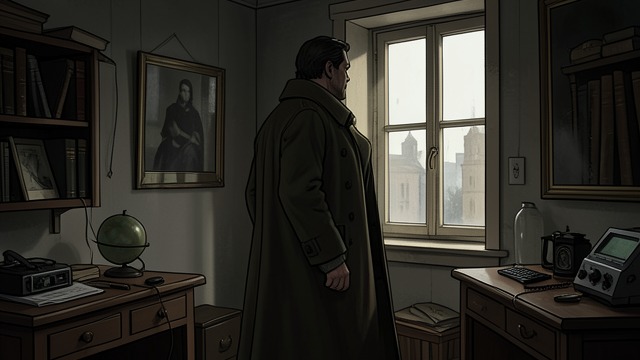
Death's Final Arrest
Whole Life Made Past
Death stops the temporalization through which the for-itself continually surpasses its being. What remains is a past that no living freedom can revise from within.
Destiny
The dead person's meaning passes into the hands of survivors. The life becomes a public object and an unfinished judgment.
Part Two, Chapter Two, Section I
Part Two, Chapter Two, Section I, Paul example
Part Two, Chapter Two, Section I, discussion of the dead
Part Two, Chapter Two, Section II
Part Two, Chapter Two, dynamic analysis
