
History as a Free Reorganization
Being and NothingnessThis thematic thread follows how societies make historical periods through changing projects rather than discovering a finished historical meaning.
increasing Bearing strength in each event
 decreasing
Bearing strength in each eventdecreasingThe Past Is Not Universal
The Past Is Not Universal
Particular Histories
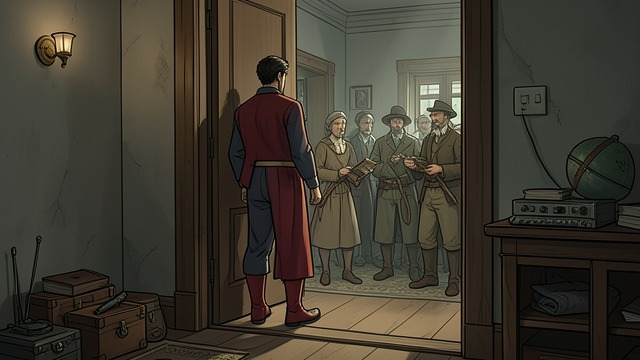
There is no universal past first and a set of individual pasts afterward. A past belongs to a person, group, or instrument in relation to a present.
Survival
What counts as past depends on a living perspective that carries it forward.
A Common World
A Common World
Shared Time
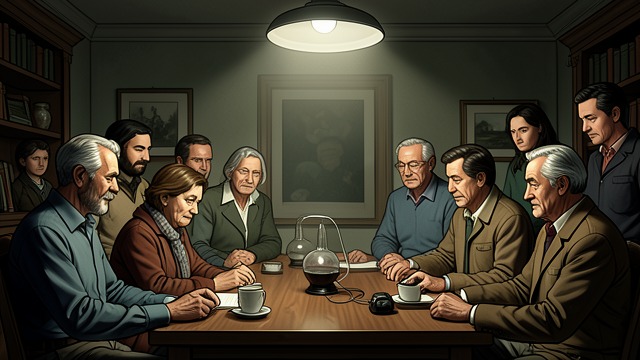
People and objects become co-present within a world whose past can be discussed, remembered, and disputed.
Historical Bond
The for-itself makes a past possible, but it does not simply invent the events that compose it.
The Meaning of 1789
The Meaning of 1789
Event and Project
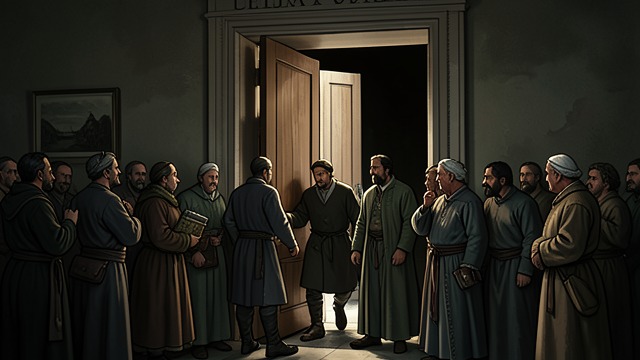
A political event can be interpreted as a failed disturbance or as the beginning of collective power. The later project determines its role.
Historical Selection
Meaning arises from the relation between the event, the present, and a future that has not yet been secured.
Interwar Naming
Interwar Naming
A Retrospective Period
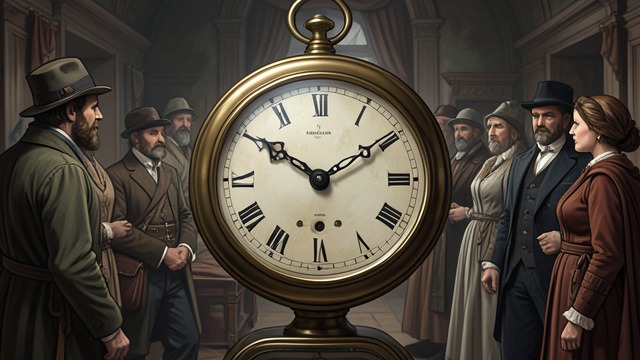
Calling a span of years the interval between wars depends on the later arrival of another war. A name organizes the period after the fact.
Freedom in Historiography
Historical categories register a chosen perspective rather than an absolute view outside history.
History Without an Underside

History Without an Underside
No View from Outside
No observer can step beyond the totality of history to give it an ultimate meaning. Every interpretation remains situated.
Open Totality
History is neither a finished object nor a fully unified subject. Its meaning remains tied to free projects.
Part Two, Chapter Two, Section I
Part Two, Chapter Two, Section I, discussion of survivors
Part Four, Chapter One, discussion of the Bastille
Part Four, Chapter One, discussion of 1918–1939
Conclusion, Section I, return to metaphysics and history
