
The Evolution of the Meaning of Pierre
Being and NothingnessThis thread follows how an absent or dead person's significance changes according to the projects of those who remember him.
increasing Bearing strength in each event
 decreasing
Bearing strength in each eventdecreasingA Concrete Bond
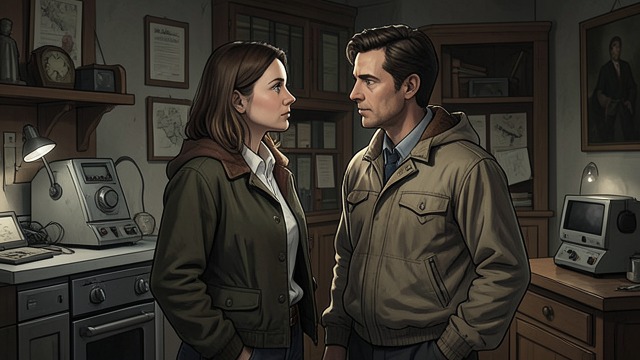
A Concrete Bond
Relation to Another
The Other is not first an abstract category. A particular person can shape how someone understands himself and his place in the world.
Dependence
The relationship is a real bond of being, not merely a set of observations about another body.
Pierre as Absent
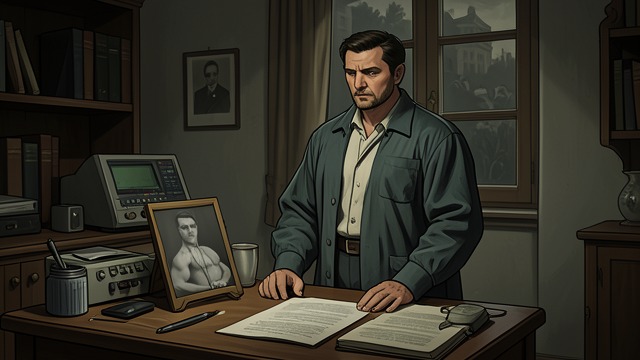
Pierre as Absent
Presence Through Absence
A friend can be absent from a place yet remain present through shared plans and expectations. The absence belongs to a continuing relation.
Emotional Meaning
The absent person helps structure the survivor's world even without appearing as an object in it.
Death Changes the Bond
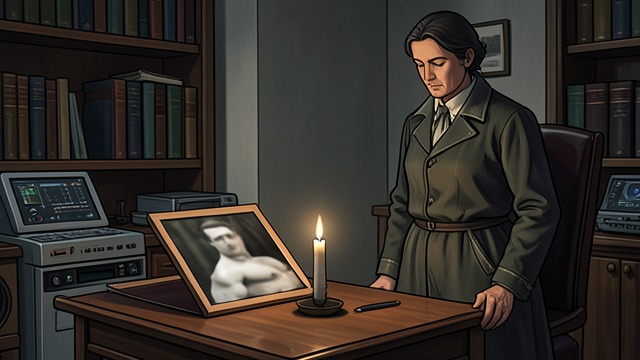
Death Changes the Bond
No Return
Death ends the possibility that Pierre can reassume or revise his past. The relation is no longer reciprocal in the same way.
Survivor's Responsibility
Those who remain become responsible for the being of the dead person within their shared world.
A Life Interpreted
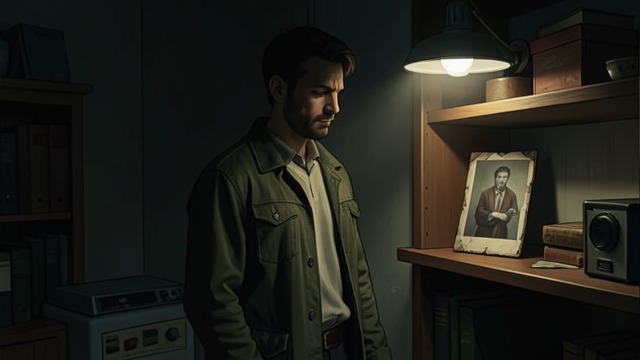
A Life Interpreted
Memory's Selection
The survivor carries certain episodes forward and gives them a place in the story of Pierre's life. The interpretation is free but not arbitrary.
Objectified Past
The dead person's life becomes a fixed object for the living, with meanings that can be disputed but not answered by Pierre.
The Dead Among the Living
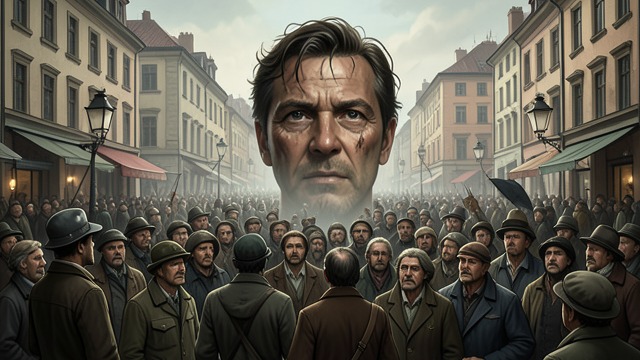
The Dead Among the Living
Continuing Presence
The dead persist through places, objects, memories, and public accounts. Their presence is neither ordinary life nor simple absence.
Fate
Their posthumous existence depends on living freedoms, which may preserve, transform, or neglect what they were.
Part Three, Chapter One, discussion of shame and recognition
Part Three, Chapter Three, discussion of absence
Part Two, Chapter Two, example of Pierre after death
Part Two, Chapter Two, discussion of the survivor's past
Part Two, Chapter Two, closing reflections
