
The For-Itself's Becoming
Being and NothingnessThis thread traces the account of consciousness from presence to self through facticity, lack, value, and possibility.
increasing Bearing strength in each event
 decreasing
Bearing strength in each eventdecreasingPresence to Self
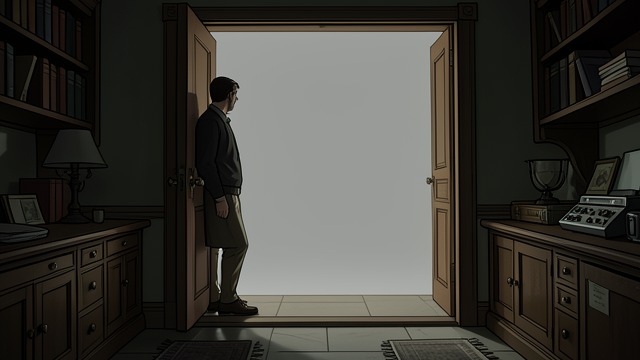
Presence to Self
A Divided Unity
Consciousness is present to itself without coinciding with itself. The relation contains a fissure that is not a separate thing.
Result
The for-itself exists by being at a distance from itself. Nothingness is not added to consciousness; it is its mode of being.
The Weight of Facticity
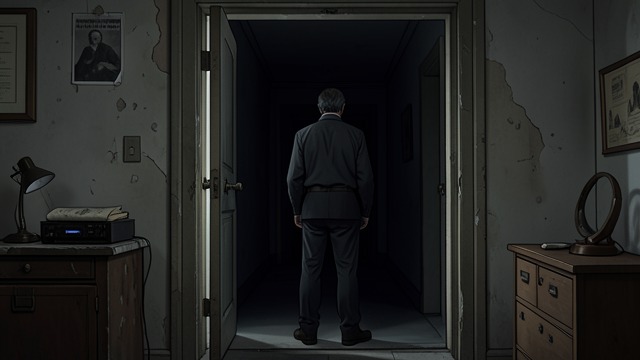
The Weight of Facticity
Contingent Existence
The for-itself does not choose that it exists or the conditions into which it is thrown. Its presence in the world remains unjustifiable.
Responsibility
It nevertheless assumes responsibility for its way of being. Facticity cannot be removed, though freedom gives it meaning.
Lack and Desire
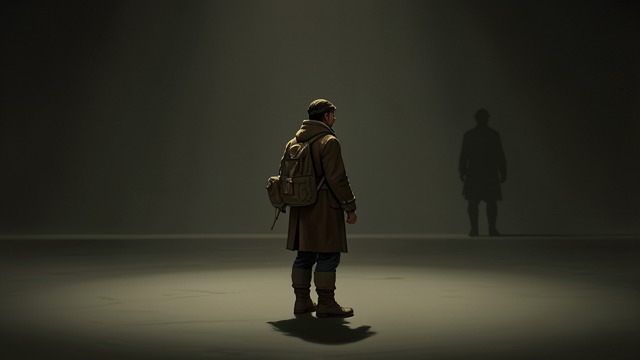
Lack and Desire
Desire as Structure
Desire is not a self-contained psychic object. It exists as a lack directed toward a completion that is not yet present.
Impossible Completion
The for-itself seeks coincidence with itself, but any achieved state opens a new horizon of lack and possibility.
Value as the Lacked
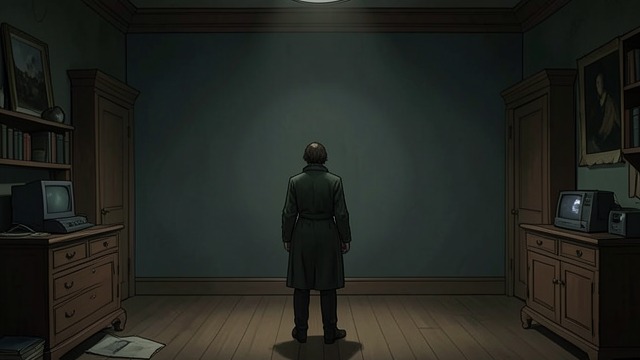
Value as the Lacked
Norm Beyond Being
Value appears as the absent totality by which action is oriented. It is neither a fact among facts nor a free-standing ideal.
Dependence
The for-itself is haunted by value because it seeks to found the being it lacks. This makes value both necessary to experience and impossible to possess.
Possibility and Selfness

Possibility and Selfness
The Possible
Possibility is not merely a thought about what might happen. It is a structure of the for-itself, which exists beyond itself toward what it may be.
Circuit
The world becomes meaningful within the circuit of selfness. Instruments and tasks reflect possibilities without allowing consciousness to coincide with them.
Part Two, Chapter One, Section I
Part Two, Chapter One, Section II
Part Two, Chapter One, Section III
Part Two, Chapter One, Section III, after the account of desire
Part Two, Chapter One, Sections IV–V
