The ghost
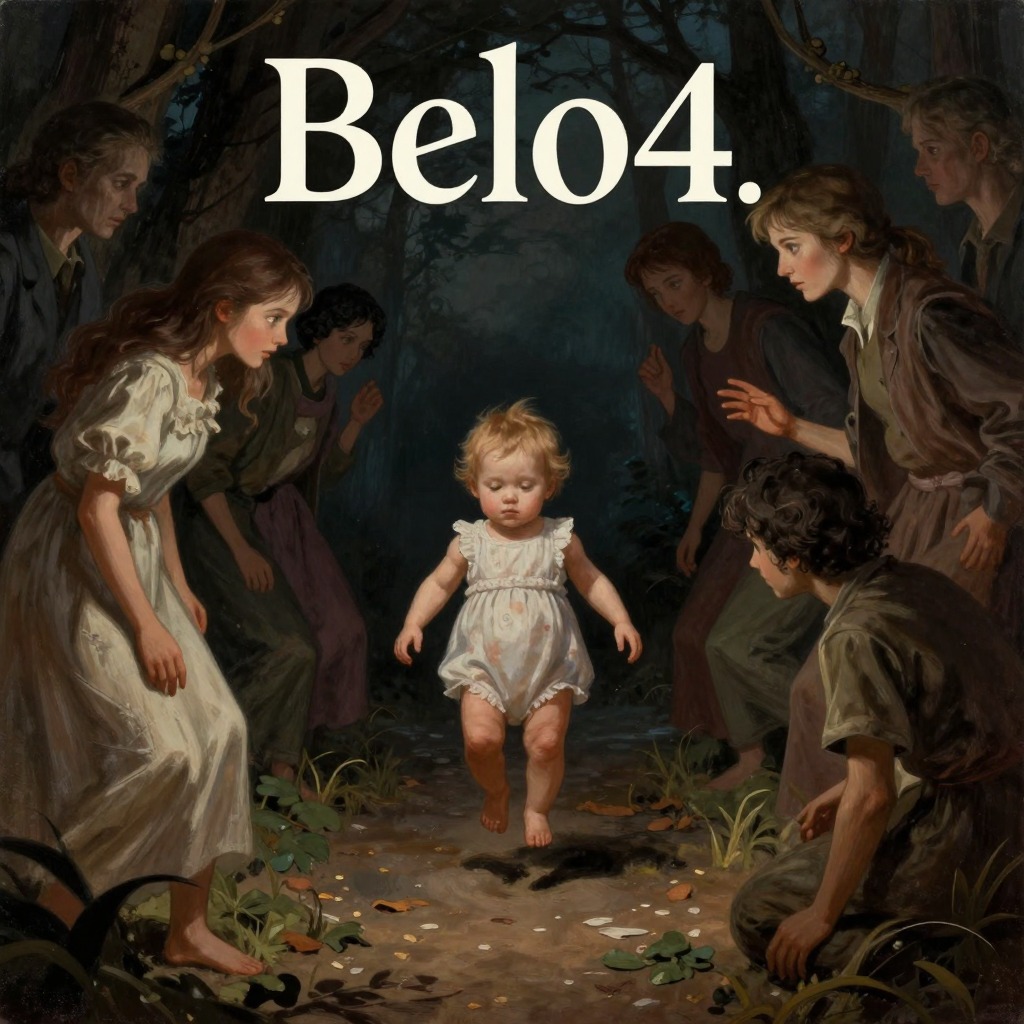
BelovedThe ghost of Sethe's baby daughter is the spectral presence that dominates 124 Bluestone Road, a house described as "spiteful" and "full of a baby's venom." This ghost is not merely a haunting but a manifestation of the unresolved trauma of slavery and the unbearable weight of a mother's love. It is the force that drives Sethe's sons away, isolates the family, and ultimately draws Paul D into the house, setting the stage for the novel's central conflicts. The ghost's presence is so powerful that it shapes the lives of everyone who enters 124, and its eventual expulsion and return in the form of Beloved become the novel's most profound exploration of memory, guilt, and the possibility of healing.
The Nature of the Ghost
The ghost is the spirit of Sethe's unnamed baby daughter, killed by her mother's own hand in a desperate act to save her from the horrors of slavery. It is described as "a baby's venom," suggesting a malevolent force born of infantile rage. The ghost's activities are both petty and terrifying: it shatters mirrors, leaves tiny handprints in cakes, and knocks over slop jars. It is "full of a baby's venom," and its presence is felt as a "pool of red and undulating light" that locks Paul D in place when he first enters the house. The ghost is not merely a poltergeist; it is a repository of the pain and anger of a child who was denied life, and it reflects the deep psychological wounds of its mother.
The Ghost's Impact on the Household
The ghost's presence has a profound effect on the inhabitants of 124. Sethe's sons, Howard and Buglar, are driven away by the ghost's increasingly violent antics, fleeing "as soon as merely looking in a mirror shattered it" and "as soon as two tiny hand prints appeared in the cake." Their departure leaves Sethe and her daughter Denver as the ghost's only victims. Denver, who has grown up with the ghost, feels a strange kinship with it, even wishing for its return when Paul D drives it away. Sethe, on the other hand, is haunted by the memory of her baby's death and the guilt of her actions. The ghost is a constant reminder of her past, and she tries to reason with it, saying, "Come on. Come on. You may as well just come on." The ghost's presence also isolates the family from the community, as neighbors avoid the house, and it contributes to the "twenty-eight days" of happiness that are followed by eighteen years of solitude.
The Ghost's Expulsion and Return
Paul D, the last of the Sweet Home men, is the one who finally drives the ghost out of 124. In a violent confrontation, he shouts, "God damn it! Hush up!" and bashes the house with a table, screaming, "She got enough without you. She got enough!" The ghost is "whooshed away in the blast of a hazelnut man's shout," and the house becomes quiet. However, the ghost's departure is not the end of its influence. It returns in the form of Beloved, a mysterious young woman who appears at 124 shortly after the carnival. Beloved is the ghost made flesh, and her arrival marks the beginning of a new, more intense haunting. She is described as having "new skin, lineless and smooth," and she seems to know things about Sethe's past that she could not possibly know. The ghost's return as Beloved is a manifestation of the "rememory" that Sethe cannot escape, and it forces the family to confront the past in a way that the spectral haunting never could.
The Ghost's Thematic Significance
The ghost of the baby is a powerful symbol of the legacy of slavery and the trauma that is passed down through generations. It represents the "sixty million and more" who died in the Middle Passage, and its presence in 124 is a reminder that the past is never truly dead. The ghost is also a manifestation of Sethe's guilt and her inability to move on from the past. Her love for her children is so intense that it becomes destructive, and the ghost is a physical embodiment of that love turned to rage. The ghost's eventual disappearance, and Beloved's fading from memory, suggests that healing is possible, but only through confronting the past and acknowledging the pain. The novel's final lines, "This is not a story to pass on," suggest that the ghost's story is too painful to be retold, but its legacy remains in the lives of those who survived it.