
Weight, Shame, and Social Judgment
Big BrotherThis flow examines how the novel connects bodily size to social assumptions, humiliation, moral judgment, and the limits of seeing a person through appearance.
increasing Bearing strength in each event
 decreasing
Bearing strength in each eventdecreasingThe Airport Conversation
Size as a Public Verdict
Strangers judge a passenger
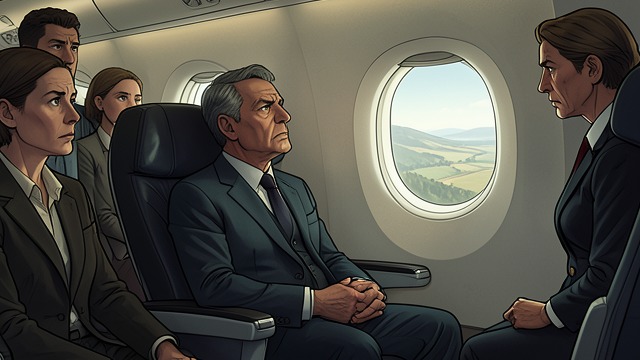
Pandora overhears travelers complain about a large man on their flight, treating his body as an inconvenience they are entitled to ridicule. Their remarks make the social hostility around weight audible.
The man is her brother
Pandora discovers that the passenger is Edison and feels sympathy, shock, and shame. The scene shows how quickly the public body can eclipse the person Pandora knows, even in her own perception.
The Family’s Cruel Jokes

Private Ridicule
Tanner and Cody mock him
The children describe Edison’s body in cruel, graphic terms while believing he cannot hear. Their jokes expose how readily discomfort becomes entertainment when the person being judged is absent.
Pandora challenges them
Pandora interrupts and asks them to imagine being treated that way by family. Her appeal does not erase the children’s reactions, but it asks them to recognize Edison’s continuing feelings beneath the visible body.
Fletcher’s Moral Language
Description Becomes Verdict
Insults gather force
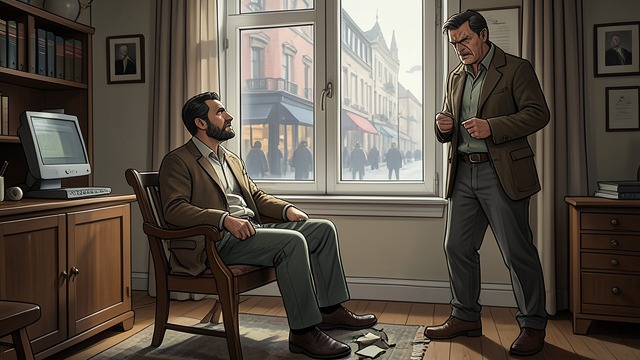
Fletcher calls Edison a fat, dishonest, dependent failure while denouncing the damage to his chair. He treats Edison’s body as evidence of weak character and the source of wider harm.
Edison objects
Edison says that being fat is not a moral crime and that eating a doughnut does not automatically injure anyone else. Their conflict exposes the difference between concern about health and condemnation of a person.
Photographs and the Body

The Self in an Image
Seeing becomes strange
Pandora says photographs shock her because they show a public body she does not experience from inside. Her image feels like an avatar that other people can inspect and judge.
The same gaze turns inward
She admits that she appraises photographs according to her size and once treated thinness as moral evidence. Her criticism of social judgment does not exempt her from having internalized it.
A Family’s Final Image
Appearance Persists in Grief
Mourners size one another up
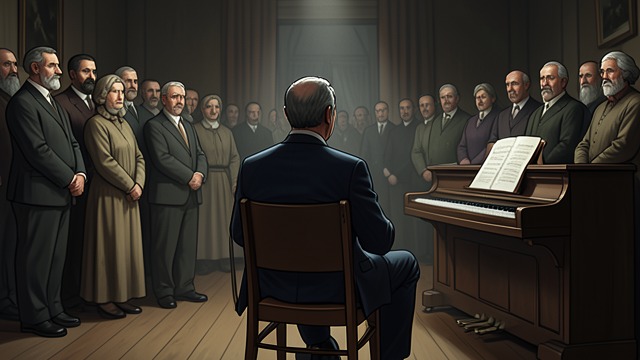
At the memorial, people read each other’s weight as shorthand for how their lives have gone. Edison’s size dominates the room, making it difficult for old acquaintances to look him in the eye.
Pandora protects the person
Pandora introduces him through his musical work and finds him a suitable chair, resisting the reduction of his life to his appearance. She wants the room to remember a pianist and brother, not only a body.
The afternoon Edison arrives
Edison’s first night at Solomon Drive
After the Boomerang breaks
During Pandora’s reflections on her own weight
At Travis’s memorial, two years after his death
