
The Novel’s Competing Meanings of Hunger
Big BrotherThis flow traces hunger from bodily appetite to emotional need, self-denial, social unease, and the closing suggestion that desire is part of being alive.
increasing Bearing strength in each event
 decreasing
Bearing strength in each eventdecreasingThe First Theory
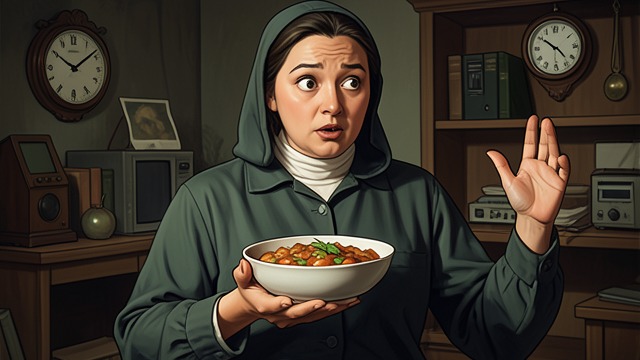
Appetite and Satisfaction
A daily act with few memories
Pandora begins by observing how much labor and thought food consumes despite the scarcity of memorable meals. Her attention turns from recipes toward the strange gap between wanting and being satisfied.
Hunger as a promise
She argues that anticipation may be more powerful than eating itself. Food’s failure to deliver lasting satisfaction helps explain why people return to it repeatedly and why the pursuit can become dangerous.
Edison Has Nothing Else

Appetite Fills the Void
A direct question
Pandora asks Edison what he enjoys apart from eating. He admits that he is unsure anything else remains, revealing an emptiness beneath his confident accounts of music and travel.
A wider diagnosis
Pandora suspects that food dominates not because it is extraordinary, but because little else feels rewarding. Her brother’s answer turns overeating from a problem of appetite alone into a problem of diminished pleasure and purpose.
Hunger Becomes a Rule
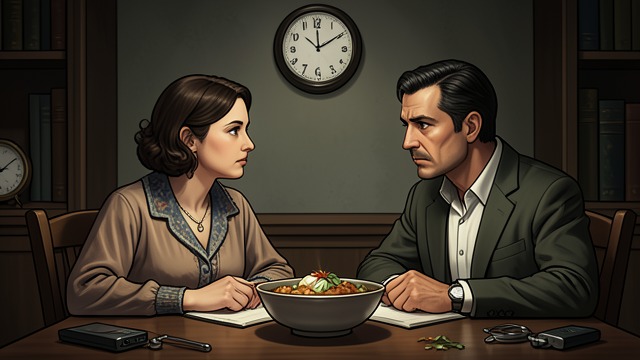
Abstinence Reframes Appetite
Bodily discomfort
Pandora and Edison experience hunger as persistent but not always painful. They try to make it ordinary and even meaningful, treating restraint as a new practice.
Hunger becomes status
The siblings briefly feel superior to people eating fast food, turning deprivation into a kind of identity. Their confidence reveals how easily renunciation can become another source of pride and judgment.
A Return to Eating
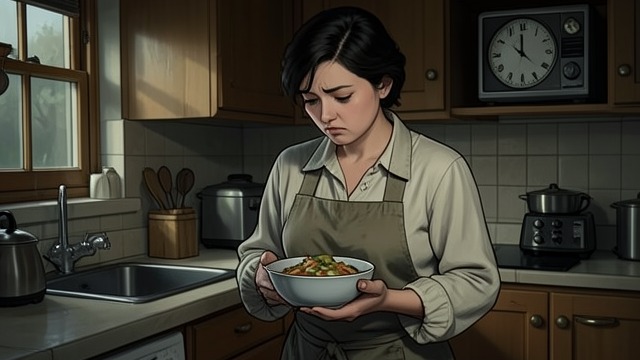
Appetite Is Not Fulfillment
Ordinary meals return
Pandora finds that food is neither the salvation she anticipated nor a reliably intense pleasure. A meal may taste fine, but it cannot settle the larger questions of how to live.
The deprivation was dangerous
Her renewed hunger also reveals how far her own thinking had shifted: she had begun to regard eating as unnecessary. The experience helps her understand why Edison’s project cannot safely treat abstinence as a complete answer.
A Necessary Desire
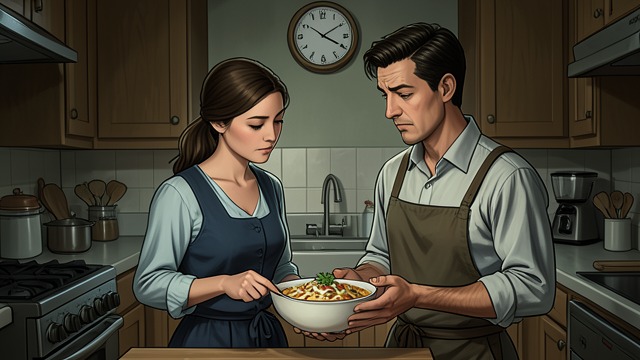
Hunger Beyond Food
Satiety is not peace
Pandora contrasts Edison’s deprivation and her own abundance with the dissatisfaction that can persist at either extreme. She has had more recognition and security than she wanted, yet still feels restless.
Desire keeps life moving
Her closing proposition is that people are meant to be hungry: not necessarily deprived of food, but animated by need, longing, and the possibility of more. The thought refuses both indulgence and perfect satiety as final answers.
In the opening chapter
During the first nights at Prague Porches
During the early liquid-diet days
After Pandora resumes solid food
In the final paragraph of the novel
