Michigan
Bird BoxMichigan is more than the backdrop to the outbreak: its roads, sealed houses, failing services, well, and river map the narrowing choices between ordinary life and survival. The state first appears through scattered warnings that Malorie doubts, then becomes the landscape of a blindfolded household whose precarious shelter makes the river both a lifeline and a route of danger.
Early Warnings and Growing Alarm
Three miles from home, Malorie drives with Shannon in a 1999 Ford Festiva because it has more gas. Blankets over the windows of several houses catch Shannon’s attention, but Malorie’s thoughts return to her pregnancy and to the online jokes that make precautions seem absurd. The sisters encounter the signs of change before they agree on what those signs mean: Shannon watches the reports closely, while Malorie remains skeptical.
The widening crisis becomes harder to dismiss when Shannon calls out a report of an incident in Michigan’s Upper Peninsula. The broadcast describes an elderly couple from Iron Mountain found hanging from a tree in nearby woods, using their belts. With her parents already on her mind, Malorie calls her mother. The local report turns a distant, alarming pattern into a threat connected to people she knows and places within the state.
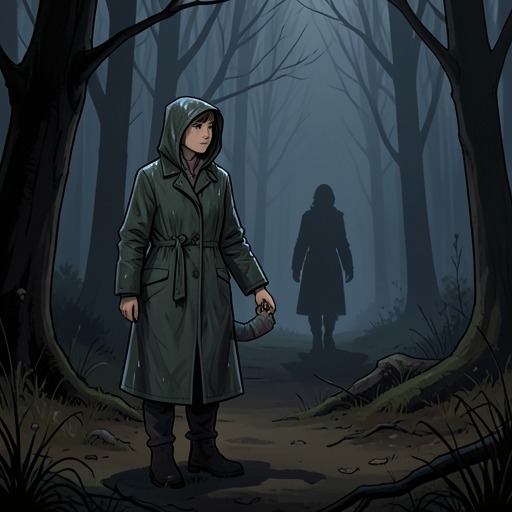
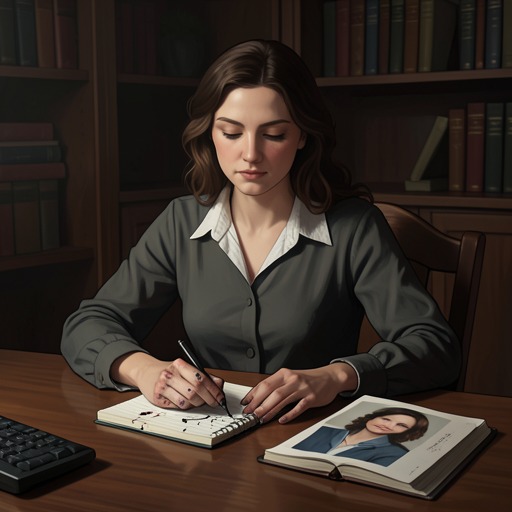
Six months before the children are born, the sisters’ home has become an enclosed space. Blankets cover every window; the front door is never left unlocked or open. Reports of unexplained events, once breaking news twice a week, now appear daily, while online accounts and news pages make the crisis nearly impossible to ignore. A website marks reported incidents on a global map with more than three hundred red faces. The events are being called the Problem, and the widespread belief is that it begins when someone sees something. Malorie resists that explanation until writers whose pages she reads begin reporting concern about their own loved ones.
The Safe House and Its Infrastructure
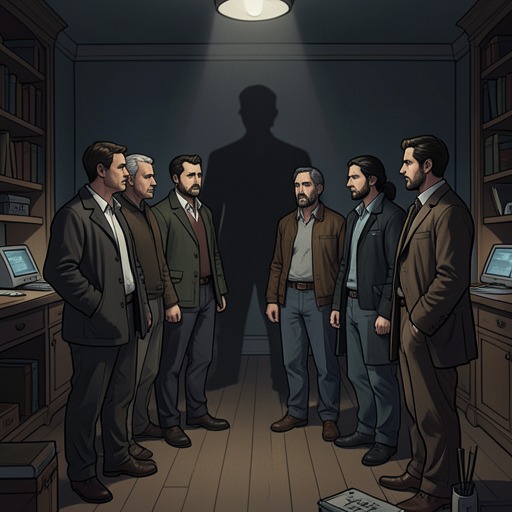
At the Riverbridge safe house, Michigan’s landscape dictates the survivors’ routines. The house has no Internet, mail, or newspapers; the cell phones stopped working weeks earlier, and the group suspects that the people maintaining the cell towers have stopped working or are dead. A landline remains, and the lights still function because a local hydroelectric plant may continue generating power if its gates were left in the right position. The survivors cannot count on these systems indefinitely, but the river offers a conditional source of continuity: as long as it flows, the house may retain power.
Water is a more immediate problem. The house has no running water, and the occupants draw from a well behind it; the river can be heard about eighty yards away. For sanitation they use buckets, taking turns carrying waste to latrines dug in the woods. Every part of this domestic arrangement must be managed blindfolded. The household is neither self-sufficient nor simply cut off: it depends on fragile remnants of public infrastructure, manual labor, and careful knowledge of nearby terrain.
The building itself imposes another hierarchy of risk. Tom argues that the cellar is less secure because its old door and delicate lock could fail, whereas the attic’s bolt is strong enough to secure the group if a creature enters the house. Even before such an emergency occurs, the contrast makes shelter a matter of architecture as much as concealment: a locked room is not necessarily a safe one.
Blind Movement and the Well
Outside the house, safe movement depends on tactile and audible guides. At the well, Felix carries one of the household’s six buckets, a wooden one with a black iron handle that he likes because its weight keeps him grounded. A rope tied around his waist leads back to a steel stake by the rear door, though it hangs with enough slack to rub against his clothing and risk tangling his steps. Blindfolded, he uses pieces of old picture frames lining the path to tell when he has wandered too far to either side. He jokes to Jules that the task resembles the game Operation, with the wooden border as the buzzer.
The well is also a point where uncertainty becomes physical. Felix feels along its cobblestone lip, trying to determine its width, and wonders whether someone could fit inside. He turns away, then back, and cranks the bucket up quickly. The question is left unresolved, but the well has already changed from a routine source of water into a place that prompts fear and suspicion.
That uncertainty has consequences for the whole house. After Felix fills two buckets, the water remains untouched on the kitchen counter. Twenty-four hours pass, the residents’ lips grow dry, and the prospect of going longer without water weighs on everyone. Felix asks whether they can drink from the river. The episode exposes the bind at the center of life in Michigan: the well is necessary but suspect, while the river is close enough to hear yet cannot be treated as an uncomplicated answer.
The River as Route and Risk
Years later, Michigan’s river becomes the route Malorie considers for escape. The children have never seen the world beyond their home, not even through its windows, and Malorie has not looked outside for more than four years. A journey of twenty miles in October, with cold weather and young children, presents risks she cannot reliably manage while blindfolded. She fears an accidental fall into the water and the possibility that, after all their efforts to survive, one of them might die through an ordinary mishap. The river offers movement, but movement itself threatens the children.
The same geography that makes escape conceivable also complicates it. Rick directs Malorie to take the river, a route he calls extremely dangerous, and estimates that she and Tom will have to travel at least twenty miles. He warns that the river splits, making its course a problem that must be understood before she sets out. The river’s position—about eighty yards behind the house—had first made it part of the household’s power and water landscape; now it becomes the passage away from that shelter.
After the escape, the contrast between enclosure and the larger world is made plain at Tucker. Malorie removes the blindfolds from the children, whose eyes blink and strain in the bright lights. They have never seen anything outside the house. Rick describes a facility that grows its own food and keeps chickens for eggs, a cow for milk, and two goats that may be bred, with plans to seek more animals and establish a small farm. For the children, Michigan’s outside world has been defined by danger and deprivation; the animals and cultivated food suggest that survival can also involve rebuilding a life.