
The Rules People Make
Blind Willow, Sleeping WomanCharacters invent rules for wishes, investigations, work, and intimacy, only to discover that rules can guide action without controlling outcomes.
increasing Bearing strength in each event
 decreasing
Bearing strength in each eventdecreasingOne Wish Only
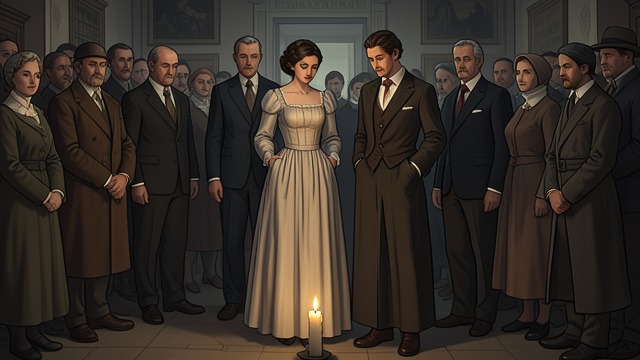
A Rule for the Gift
The old man sets a limit
The birthday gift is one wish, granted once and not subject to revision. The rule gives the encounter gravity.
No guarantee of completion
Years later, the woman says the wish is both fulfilled and unfinished. The condition governs the choice but not its timeline.
An Investigator Refuses Payment

Meaning Depends on Conduct
A noncommercial commitment
The volunteer investigator refuses fees, gifts, and expenses. He argues that payment would make his actions meaningless.
A chosen constraint
The refusal makes the work difficult to classify and raises the client’s suspicion. His rule is not a clue to the mystery but a condition he imposes on himself.
Kirie’s Boundary
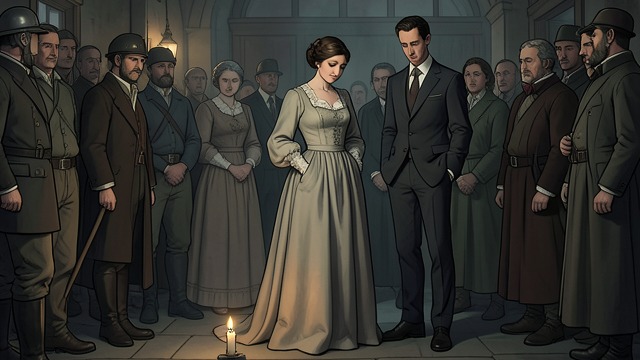
Intimacy Kept Separate
A refusal of everyday partnership
Kirie says she cannot maintain a serious daily relationship with anyone while pursuing her vocation. She fears losing concentration and balance.
Junpei accepts the limit
He respects the arrangement, though it does not protect him from attachment. The rule preserves her freedom while leaving him with uncertainty.
A Rule for the Unknown
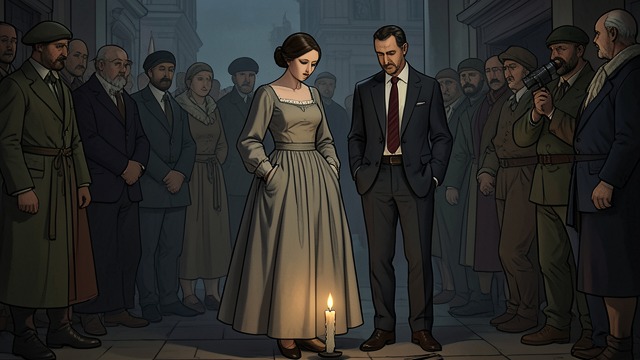
Form and Formlessness
Advice without prediction
The tuner recommends choosing the formless over the tangible when forced to choose. His rule comes from personal experience rather than a general theory.
The listener cannot apply it yet
The woman accepts the words but cannot identify the options in her own crisis. A rule may help someone endure a choice without deciding it for them.
A Rule Against Fear

The Danger of Turning Away
Fear is unavoidable
The seventh man rejects the idea that fear itself is the only thing to fear. Fear appears in many forms and can overwhelm anyone.
Looking matters
He argues that turning one’s back on fear means surrendering something precious. His account turns survival into a question of what a person is willing to face.
On the waitress’s twentieth birthday
When the wife asks for help locating Mr. Kurumizawa
During her relationship with Junpei
When the piano tuner speaks with the woman in her car
At the end of the seventh man’s confession
