
The Poor Aunt Takes Shape
Blind Willow, Sleeping WomanA writer’s abstract fascination with a poor aunt becomes a burden on his back, exposing the difference between observing a concept and accepting its human reality.
increasing Bearing strength in each event
 decreasing
Bearing strength in each eventdecreasingA Phrase Arrives

An Unexplained Image
A sudden thought
Beside a pond, the narrator feels the words “poor aunt” enter his mind. No visible person or event explains the phrase.
A writing impulse
He wants to write a story about the figure, though his companion questions whether he can take responsibility for someone he has never known.
The Concept on His Back

An Unwanted Presence
A form shaped by observers
The narrator discovers a poor aunt on his back, though he cannot see her. Other people imagine different figures in her place.
Social consequences
Friends find the presence depressing and begin to avoid him. The abstract phrase has become a social fact that changes how others approach him.
The Media Turns Her into a Spectacle
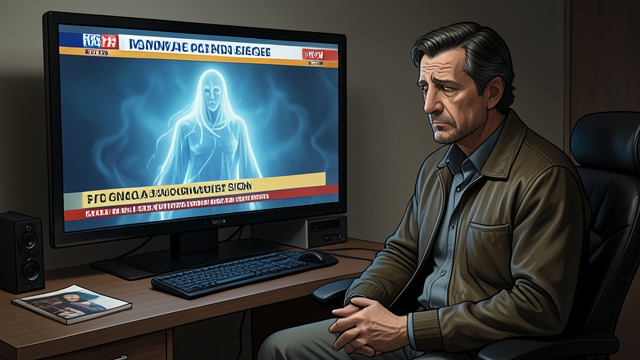
A Sign on Television
Explanation fails
The narrator appears on a morning show and explains the poor aunt as words transformed into a conceptual sign. The hosts want a simpler ghost story.
Attention without understanding
The public’s curiosity brings exhaustion rather than insight. The aunt remains attached while the story’s meaning escapes the television format.
A Girl on the Train
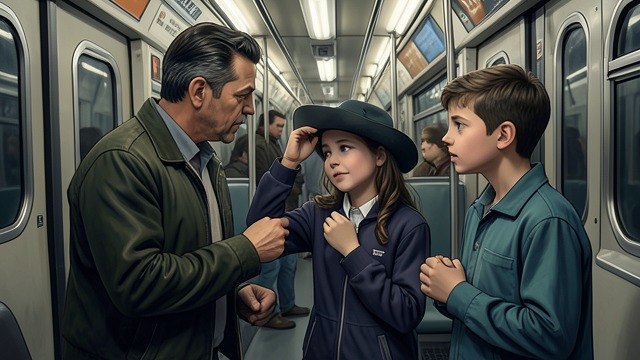
An Unanswered Plea
A small injustice
A mother sends her daughter away for defending her hat from a younger brother. The narrator wants to comfort the girl but stays silent.
Recognition of helplessness
He sees his own hands as unable to save or reassure anyone. The encounter exposes the limits of his wish to write a redemptive story.
The Aunt Leaves
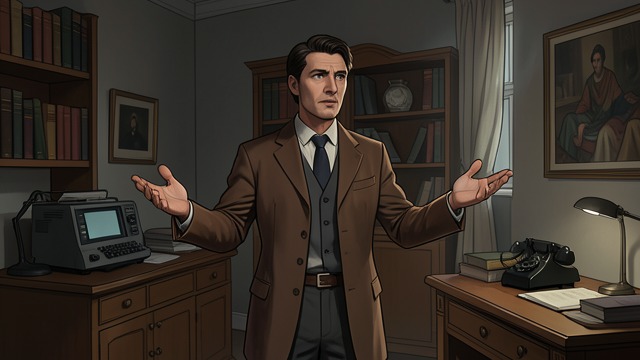
Absence Replaces the Figure
A quiet departure
The narrator notices that the poor aunt has vanished, without knowing when she left. Her disappearance does not restore his former certainty about himself.
A continued hunger
He calls his companion to confirm she is alive, then imagines a future society of poor aunts. The idea persists even after its visible burden is gone.
A bright Sunday in July
By the middle of August
After the aunt’s presence attracts public attention
Late autumn, during the train journey
After the narrator exits the train
