
The Poor Aunt and the Writer
Blind Willow, Sleeping WomanThe narrator’s attempt to write a poor aunt exposes the distance between literary attention and responsibility for another person’s existence.
increasing Bearing strength in each event
 decreasing
Bearing strength in each eventdecreasingAn Image Without a Person
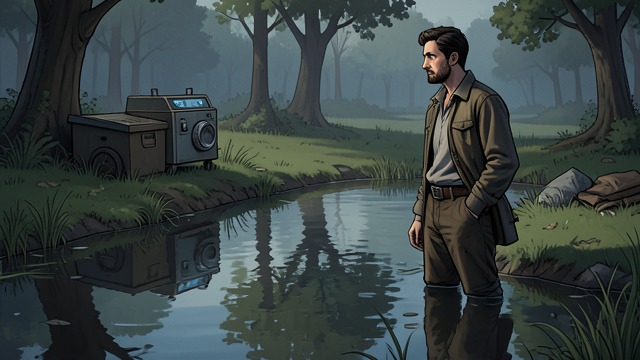
A Concept Arrives
The phrase appears
The narrator feels “poor aunt” enter his mind beside a pond. No actual aunt is present to explain the thought.
Writing as a question
He wants to write the story but cannot say why. His companion suggests that writing about someone may mean taking responsibility for them.
Names That Disappear
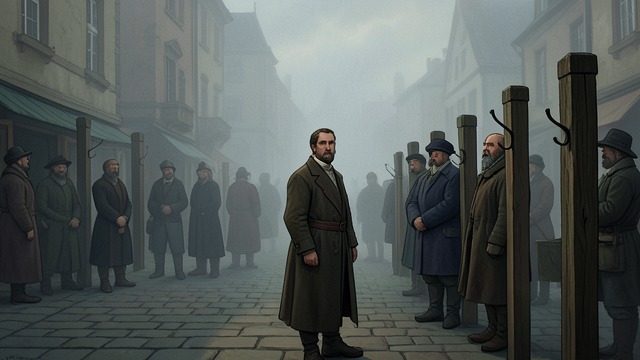
A Society of the Nameless
Different kinds of forgetting
The narrator considers people whose names fade after death and those whose names vanish while they are alive. Poor aunts belong to the latter group.
A lost-name town
He imagines a hidden community for forgotten names, suggesting that social invisibility can resemble a place people are sent.
Many People See Many Aunts
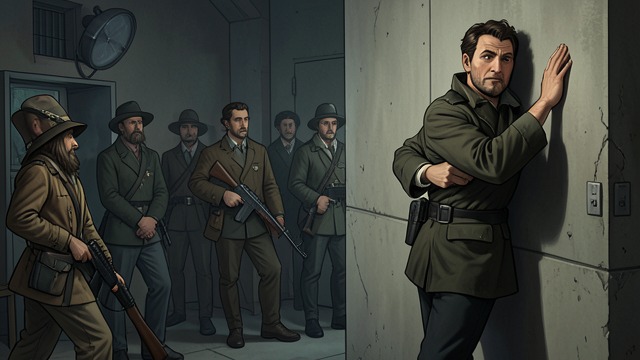
A Shape Made by Others
Projection replaces identity
Friends see a dead dog, a teacher, or a mother on the narrator’s back. The figure changes according to each observer’s memories.
The narrator becomes avoided
People withdraw because the presence reminds them of painful histories. The supposed sign has consequences even though no single form can be confirmed.
The Companion’s Definition
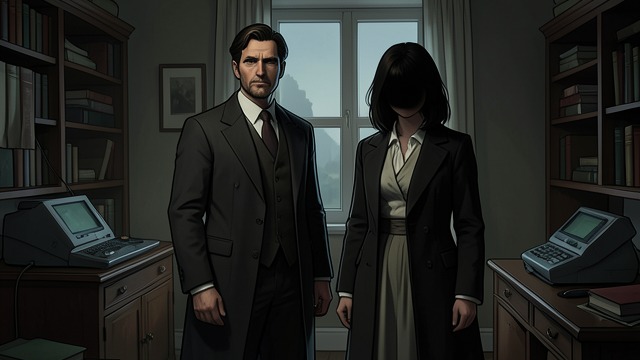
Existence Without Cause
Questions about becoming
The narrator asks whether poor aunts are born or made by special conditions. His companion says both explanations collapse into the same thing.
Recognition instead of rescue
A poor aunt exists, and that existence is her reason. The answer denies the narrator an easy psychological cause or a simple literary cure.
Completeness in the Future
Perfection Without Relief
Time squeezes the figure
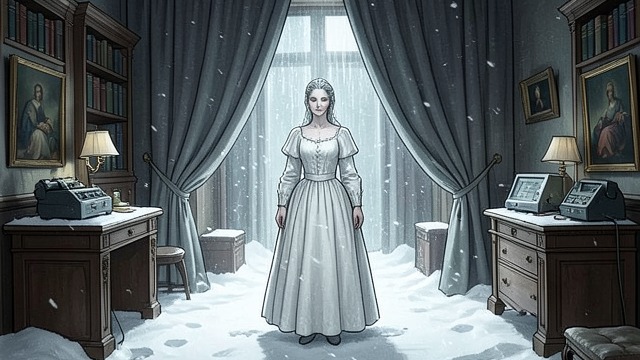
The narrator imagines time pressing a poor aunt into a perfect, frozen form. Her completeness is not happiness but the exhaustion of possibility.
A poem imagined
He pictures a future society of poor aunts and himself as its poet. The fantasy converts exclusion into belonging without claiming that the real loneliness has disappeared.
On the first Sunday afternoon in July
During the narrator’s reflection on poor aunts
After the poor aunt appears on the narrator’s back
During their autumn conversation by the pond
After the aunt leaves the narrator’s back
