
The 1960s and the Stories People Inherit
Blind Willow, Sleeping WomanThe collection’s account of youth, sexuality, and social expectation shows how inherited rules can shape intimate lives long after their historical moment has passed.
increasing Bearing strength in each event
 decreasing
Bearing strength in each eventdecreasingA Generation Remembers Itself

An Age Seen in Hindsight
Promise and irritation
The narrator remembers the 1960s as unusually vivid, full of political energy, music, and the belief that differences might be overcome.
A world simplified
He contrasts that confidence with a later society crowded by advertising, options, and consumer systems. Memory makes the period appear direct without making it wholly innocent.
Virginity as a Social Measure

Sexual Rules and Individual Choice
A divided spectrum
The narrator recalls liberal, conservative, and moderate attitudes toward virginity. Most people, he suggests, followed circumstances rather than a fixed doctrine.
A promise of reconciliation
His generation believed differences might eventually be overcome. That promise meets its limits in the story of Yoshiko and her boyfriend.
Yoshiko’s Rule
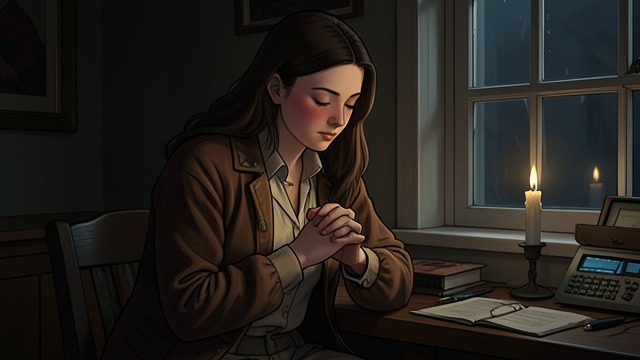
A Private Boundary
Her chosen condition
Yoshiko wants to remain a virgin until marriage. Her boyfriend respects her right to decide, even as he wants physical intimacy to prove their unity.
A rule cannot guarantee happiness
The disagreement is not resolved by declaring either person right. The relationship carries incompatible hopes into adulthood.
A Promise Out of Time

The Old Rule Returns
Marriage changes the promise
Yoshiko remembers that she promised to sleep with her former boyfriend after marrying someone else. He had never understood her statement as binding.
Desire meets reality
They touch but do not have sex. Their old framework survives as a memory, not as a path back to the life they once imagined.
No One Escapes Being Themselves
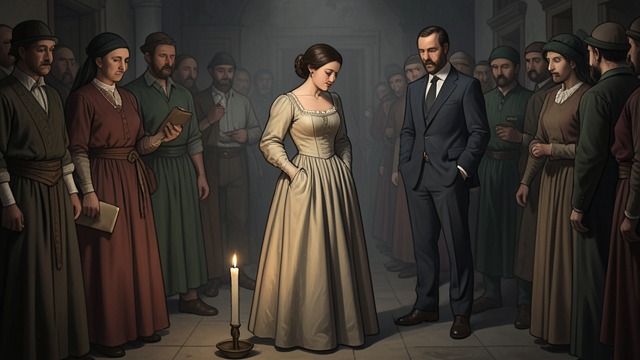
The Collection’s Recurrent Limit
Rules shape but do not remake people
Yoshiko’s boundary, the birthday girl’s wish, and Junpei’s inherited countdown all offer structures for living. None can guarantee a different self.
Choice still matters
The stories do not dismiss rules or promises as meaningless. They show that people must still act within their limitations and accept what those choices cannot control.
The narrator’s reflection on the 1960s
Among young people in the narrator’s 1960s youth
During Yoshiko’s relationship with her high-school boyfriend
When Yoshiko calls years after their breakup
During the later conversation about the birthday wish
