
The Novelist’s Alternating Practice
Blind Willow, Sleeping WomanThe introduction frames short stories as a laboratory and a recurring source of energy that connects Murakami’s shorter work to his novels.
increasing Bearing strength in each event
 decreasing
Bearing strength in each eventdecreasingA Writer Between Forms
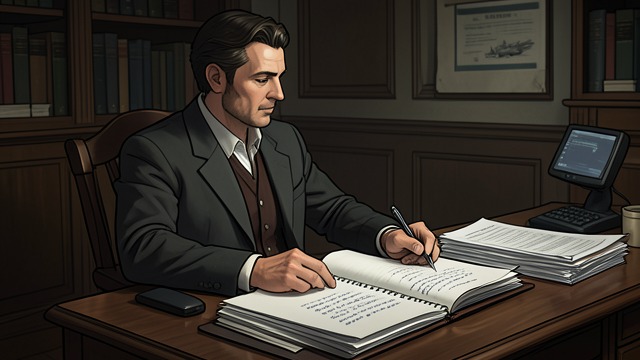
Two Complementary Practices
Novel and story differ
Murakami compares novels to planting a forest and short stories to planting a garden. He alternates between them rather than writing both at once.
A change of mental track
After a novel, he wants to write stories; after a group of stories, he turns toward a novel. The separation is part of his working method.
The First Short Stories
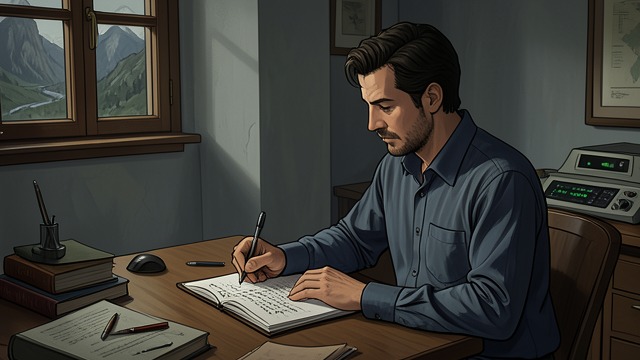
Learning the Form
An early experiment
After two short novels, Murakami writes “A Slow Boat to China,” “A ‘Poor Aunt’ Story,” and “New York Mining Disaster.”
Possibilities expand
He says the experience enlarges his fictional world and gives him a memorable beginning as a short-story writer.
The Laboratory
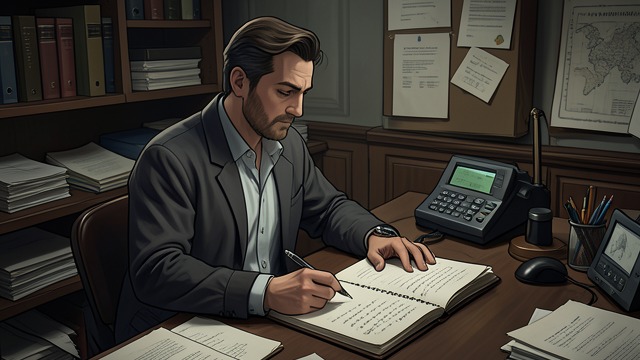
Mistakes Become Useful
Freedom to experiment
A short story can grow from a small image or word, and a failed attempt need not carry the burden of a novel.
Lessons carry forward
Murakami treats short fiction as an experimental laboratory for ideas and techniques that later inform novels. The smaller form supports the larger commitment.
Stories Become Novels
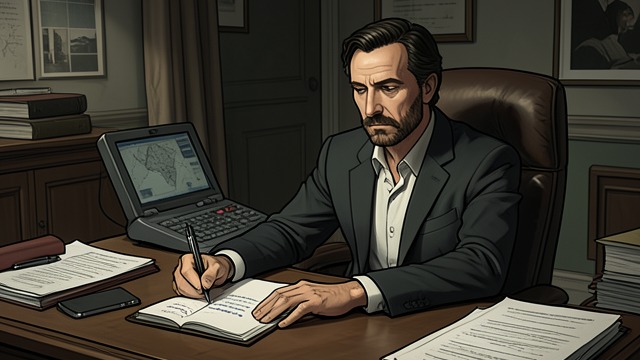
A Fictional Voice Returns
A story refuses to end
Murakami describes an old short story returning in the night to insist that there is more to write. Some narratives continue growing after publication.
Organic connection
The image explains why his novels and stories are not separate territories. One form can awaken material that another must complete.
A New Collection
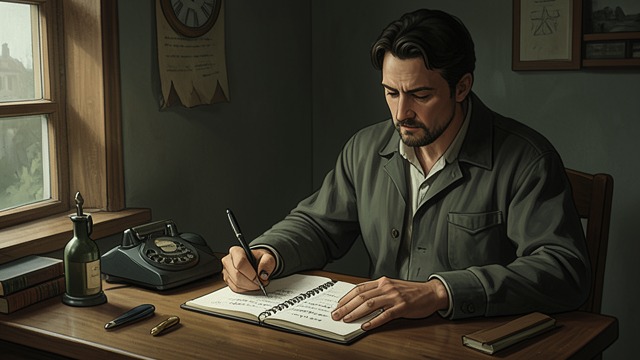
The Stories Return
A concentrated burst
Murakami feels a strong urge to write short stories and completes five in a little over a month. They become the strange tales at the end of the collection.
A writer’s shared landscape
He concludes that much of what he writes is, in some sense, a strange tale. The book gathers stories that remain independent yet connected within him.
From Murakami’s debut in 1979 onward
1980 to 1981
During the years he alternates stories and novels
During the period when short narratives expanded in his mind
In 2005, after a long stretch focused on novels
