
Grief, Justice, and Revenge
Blow OutThis flow explores how bereavement and perceived injustice travel through two families and become the novel’s central moral pressure.
increasing Bearing strength in each event
 decreasing
Bearing strength in each eventdecreasingA Sister’s Death
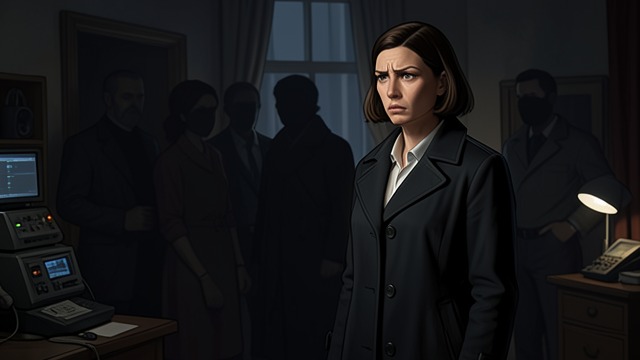
A Sister’s Death
Loss without a clear culprit
Elaine Clements dies after taking cocaine. The inquest returns a death-by-misadventure verdict because the evidence cannot establish a legally responsible supplier or a precise cause beyond the self-administered drug.
The result may be procedurally defensible, but it leaves her family without a person to hold accountable. A legal conclusion cannot answer every emotional question.
A grievance takes root
James Clements turns his grief toward the coroner and the wider drug trade. Darren experiences the loss as a family rupture whose explanations remain incomplete.
The later violence grows from this distinction between a verdict and a sense of justice.
The Father’s Anger
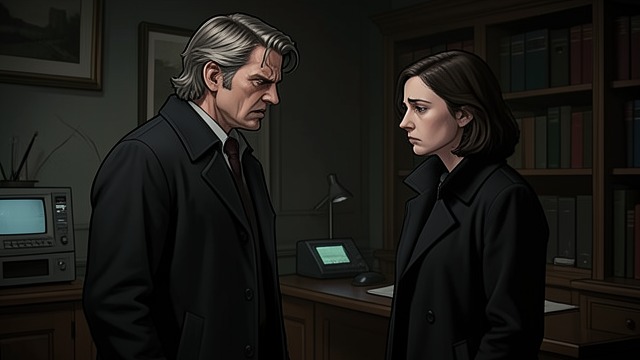
The Father’s Anger
Blame as refuge
James believes the inquest should have reached a harsher conclusion and threatens Heather Rand. Helen Wilkins later describes his anger as a way of avoiding guilt and unbearable pain.
His reaction damages his marriage and relationship with Darren. Grief becomes a force that reorganises a household, even when the people affected mourn differently.
A warning without closure
The legal system restrains James through a civil order, but the emotional conflict does not disappear. He leaves the family and develops severe depression.
The novel neither excuses his threats nor treats his grief as simple villainy. It shows the harm produced when sorrow hardens into a demand for blame.
Darren’s Chosen Justice

Darren’s Chosen Justice
A private tribunal
Darren appears to transform his sister’s death and his father’s departure into a private mission against people he believes are responsible for drug deaths or failed justice.
His victims do not all share an established direct connection to Elaine. The mission reflects a subjective system of blame rather than a courtroom standard.
Violence replaces accountability
Darren uses poison and distance to impose suffering without allowing his victims a hearing or a chance to answer. His actions turn the desire for justice into another form of unaccountable harm.
The story asks how an injury can be real while the revenge it inspires remains indefensible.
Other Families’ Grief

Other Families’ Grief
The victims leave survivors
Ronnie’s death leaves Jason and Sheila grieving; Melissa’s captivity terrifies Ryan and Andrea; Heather must recover from an attack that may be linked to an old case.
Each family responds differently, and not every response is easy to admire. Anger, faith, control, and denial coexist with affection.
The cost of revenge
Darren’s attempt to answer one family’s pain creates new bereavement and trauma among unrelated victims. Melissa’s kidnapping further risks turning suspicion into retaliation.
The novel widens its moral lens beyond the killer’s grievance to the many people who inherit the consequences.
A Justice That Cannot Restore

A Justice That Cannot Restore
The killer dies before trial
Darren’s fatal collision prevents a court from hearing his motives or testing the case in the ordinary way. Physical evidence strongly connects him to the attacks, but no verdict can examine the full story.
Joanne faces scrutiny over the pursuit, while the victims and families face recovery without the explanatory closure a trial might have offered.
The work of living on
Heather survives, Melissa is rescued, and Joanne returns to a new apartment and a developing relationship. None of these outcomes erases what happened.
The novel’s justice is necessarily partial: safety can be restored, but lost people, trust, and time cannot be returned.
January 2011
2011 through 2013
After 2013, before October 2017
October 16–23
Monday, October 23
