Bolton
Blow OutBolton enters the investigation as the destination of an urgent hospital call: a third man, like Ronnie O’Neill and Morris Grimshaw, has been attacked. The hospital visit confirms the fatal outcome, while the detectives’ later inquiry in the area identifies the victim as “Mumbles,” connecting the medical emergency to the street community they must investigate.
A Third Attack and a Fatal Outcome
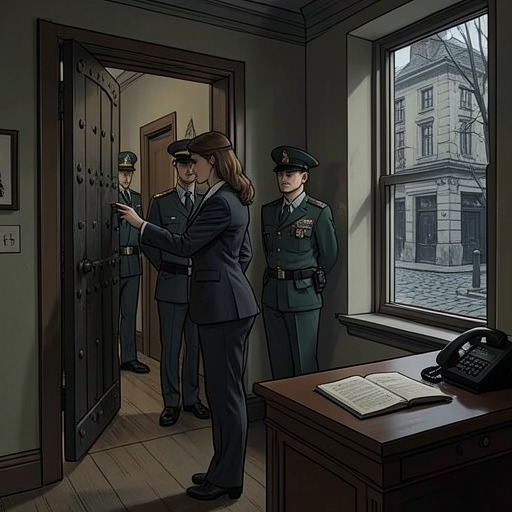
Joanne Stuart is directed to Royal Bolton Hospital after being told that another person has suffered an attack like those on Ronnie O’Neill and Morris Grimshaw. She switches on her emergency lights and drives there at speed, initially fearing that the news concerns Melissa Walsh. The call rules that out: it is another victim.
At the hospital, Nick Carter tells Joanne that the man was already dead on arrival. Paramedics had reached him while he was still alive, but he was incoherent and died in the ambulance. The brief account establishes Bolton as the immediate endpoint of the third attack’s emergency response, and as the place where the investigation confronts another fatality.
Identifying the Victim
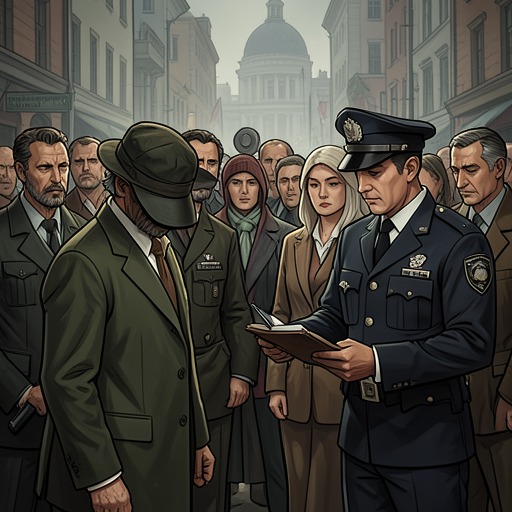
The inquiry continues through a local outreach service. When shown a mortuary image on Joanne’s phone, its manager recognizes the deceased by his street name, Mumbles. Nick asks whether the name refers to the Mumbles Reservoir; the manager explains instead that the man was called Mumbles because he used to mumble. This exchange supplies a practical lead while distinguishing the nickname from a geographical origin.
Role in the Investigation
Bolton’s narrative function is closely tied to the widening pattern of attacks. The instruction to go there explicitly compares the new case with the deaths of Ronnie O’Neill and Morris Grimshaw, making the third victim evidence of recurrence rather than an isolated emergency. The hospital establishes the outcome; the outreach manager’s recognition gives the detectives a way to pursue the victim’s identity through his community.
The location also marks the investigative shift from urgent response to identification. Medical staff and paramedics establish that the man died before reaching the hospital, while the outreach service provides the name by which he was known on the street. Together, these fragments turn a further death into a traceable case in the continuing inquiry.