Helen Wilkins
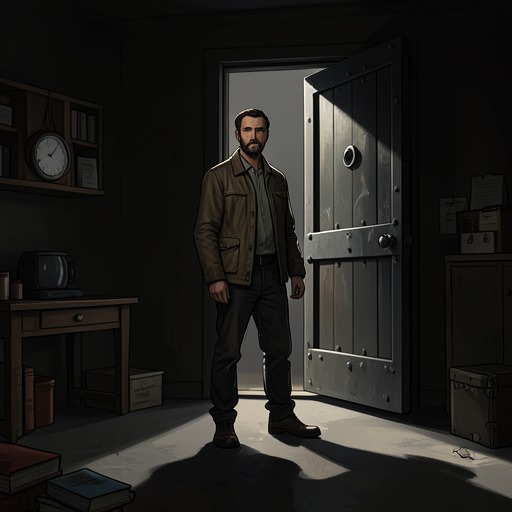
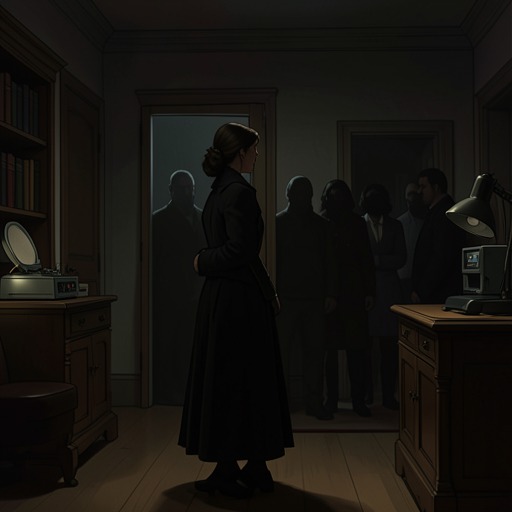
Blow OutHelen Wilkins is James Clements’s first wife and the mother of Elaine and Darren. When Jo and Carly visit her about James’s reaction to Elaine’s death and the threats he made against the Coroner, Helen gives them a family perspective shaped by enduring grief: James’s anger, she believes, concealed guilt, while the damage of his response reached both her and their son.
Identity and Introduction
Jo and Carly find Helen at home in punishing wind and rain. She opens the door, frowning, and tells them they are wasting their time. When Jo explains that the case may concern what happened to Elaine and that the investigators do not yet know enough, Helen recognizes the subject as James and his reaction to their daughter’s death.
Helen’s first response is not detachment but resistance to the idea that the loss can be revisited as though it were over. She insists that it never went away and never will. Her account is grounded in the life left behind after a child’s death: she had another child to think about, as well as a husband she describes as incapable of looking after himself.
Grief and the Separation from James
Helen describes the family’s grief as affecting each person differently. At first, she retreated into herself and was in denial. Yet she did not feel free to remain there: responsibility for her surviving child and for James shaped what she could do. She rejects the idea of a wife having the luxury to wallow in self-pity or pursue a grand campaign for justice, distinguishing her practical burden from James’s more visible fury.
She does not condemn James’s anger as simply cruelty. In her view, his hell and fury shifted blame away from the feelings he could not face, especially the overwhelming sense that he had failed to protect Elaine. No one could persuade him otherwise. His self-loathing, anger, and frustration became impossible to live with, not only for Helen but also for their son, and Helen eventually told James to leave. The separation is presented as a consequence of grief’s continuing pressure on the household, rather than as proof that Helen had ceased to care about what had happened.
Elaine and Darren
Helen recalls that Darren was seventeen and Elaine fifteen when Elaine died. Like many teenage siblings, they squabbled. Darren teased Elaine mercilessly about her clothes, hairstyles, and decision to declare herself vegan; he believed she received more attention because she was the youngest and a girl. Helen says that belief was untrue, while Elaine resented the greater freedom Darren had as the older child. Their resentments and teasing did not cancel their love for one another.
James’s anger made the aftermath harder for Darren. Helen says he grew moodier and more introverted, spending hours alone in his room with headphones on and hunched over his laptop. She worried when he left for university in London. On his first return home, however, his mood had shifted, and Helen felt that the real Darren had come back. Her recollection thus holds together two different facts about him: his difficult teenage relationship with Elaine and the affection beneath it, and his later withdrawal amid the family’s grief.
Narrative Role and Significance
Helen’s testimony gives the investigation a domestic account of consequences that cannot be reduced to James’s threats against the Coroner. She explains how grief could take the form of denial and caretaking in her own life, and blame, anger, and self-loathing in her former husband’s. Her insistence that the loss never went away also refuses any easy distinction between a past tragedy and its continuing effects.
The scene is marked by what Jo does not say: although she has sat with many bereaved parents, she recognizes that experience alone will not persuade Helen and lets silence make room for her account. Helen’s recollections then widen the case from James’s public fury to the family that had to live with it, especially Darren, whose withdrawal and eventual change in mood complicate any simple portrait of the siblings or their grief.