The Observer
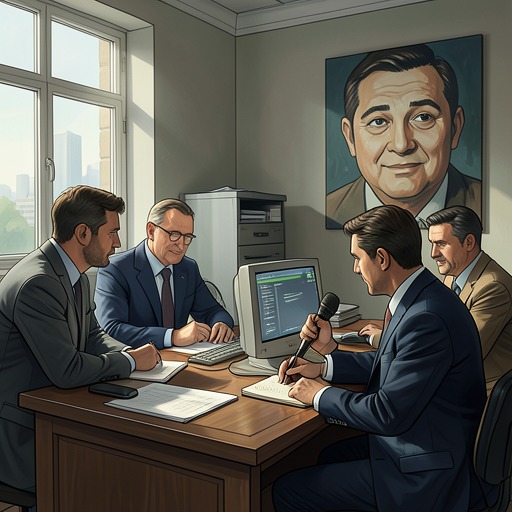
Blow OutThe Observer is a newspaper that enters the novel through a journalist’s work on Melissa Walsh’s disappearance. Its reporting gives the case a public-facing dimension: rather than simply criticising the police, the article seeks to make Melissa’s situation matter to readers and to prompt practical assistance in finding her.
Reporting on Melissa’s Disappearance
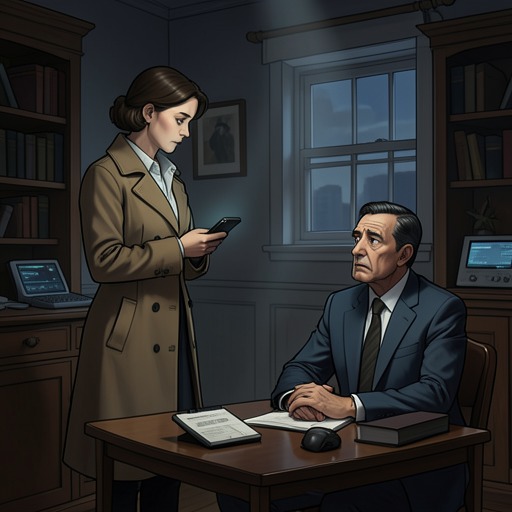
Jo first encounters the story not in print but on an open laptop in Agata’s bedroom. The headline, “Melissa Still Missing. What are the police doing to find her?”, signals a pointed question about the investigation. Seeing it unsettles Jo: she feels betrayed, then reminds herself that the article is part of Agata’s job and that Agata has not raised the case or Operation Alecto during their evening together. Jo puts the laptop to sleep without confronting her, leaving the tension unresolved until Agata later calls.
Purpose and Public Appeal
Agata explains that her article is in that morning’s Observer. Although its headline raises a challenge about the police response, the published piece does not dwell on accusing them of incompetence. Agata describes its principal aim as winning the public’s support by humanising Melissa and encouraging readers to report anything suspicious and to check outhouses and sheds. The article thus turns press attention into a potential source of information and practical search activity.
Jo and Agata’s Professional Boundary
The newspaper’s role is intertwined with Jo’s personal relationship with Agata and with the division between their work. Jo’s first reaction to discovering the draft is disappointment and a sense of betrayal, but she recognises that the case belongs to Agata’s professional responsibilities and that Agata had warned her. When Agata later admits the article has appeared, Jo apologises for a sharp remark about its treatment of police incompetence. She says she is relieved by its actual emphasis and clarifies that she is not the senior investigating officer on Melissa’s case. The exchange distinguishes the article’s critical headline from its stated public-service purpose, while showing how press work can intrude on the investigators’ private lives.