
The Foyer Rebellion
BluebeardThis thread traces Circe’s takeover of the house’s entrance hall and Rabo’s struggle to distinguish insult from a challenge to his assumptions about art.
increasing Bearing strength in each event
 decreasing
Bearing strength in each eventdecreasingA House in Her Absence
A Boundary Crossed
Circe’s Renovation
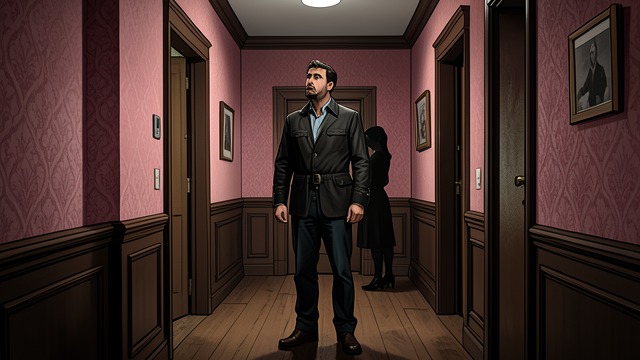
While Rabo is away, Circe replaces Edith’s carefully arranged foyer with rose wallpaper, dark woodwork, and Victorian pictures of girls on swings. She acts without seeking permission and turns domestic decoration into a provocation.
Rabo’s Return
He enters believing he is in the wrong house and experiences the room as an assault on Edith’s memory and his own identity. The conflict is emotional before it becomes an argument about taste.
A Public Argument
Art and Injury
Accusations
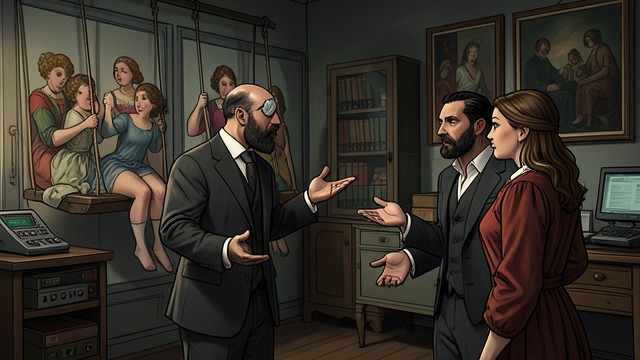
Rabo calls the new pictures a negation of art and accuses Circe of insulting Edith. Circe answers that he has failed to take her images seriously while demanding respect for his own collection.
Hidden Stakes
Their argument exposes how both use art to defend a self-image. Rabo’s fury is intensified by humiliation and his fear of being seen without his eye patch, while Circe insists that sentiment and historical suffering can make humble pictures matter.
A Different Way to Look
Meaning Reconsidered
An Unexpected Audience
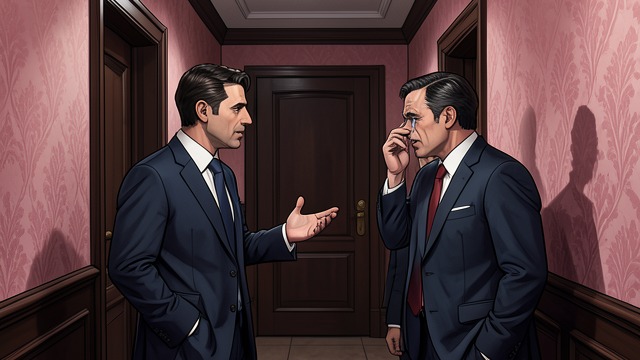
Rabo explains the innocent-looking girls’ possible futures to visiting Soviet writers, who respond with emotion and apologize for dismissing the pictures. Their reaction unsettles his certainty that the foyer is merely vandalism.
A Changed Judgment
He does not simply adopt Circe’s taste, but begins to see how viewers can discover serious meaning in images he despised. The room’s conflict becomes an education in attention rather than a clean victory for either side.
During Rabo’s overnight trip to New York City
Immediately after Rabo returns from New York
Later that summer, when Soviet writers visit
