
The Struggle Over Artistic Worth
BluebeardThis thread follows Rabo’s repeated challenges to his own artistic legitimacy, from youthful realism to public failure and a final work beyond easy classification.
increasing Bearing strength in each event
 decreasing
Bearing strength in each eventdecreasingThe Realistic Trial
Skill Without Recognition
A Demanding Assignment
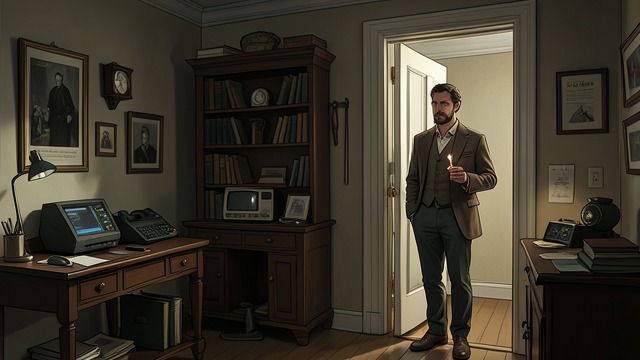
Dan Gregory orders Rabo to paint the elaborate studio so accurately that it could be mistaken for a photograph. Rabo accepts the task as a test of skill and spends months mastering the room’s objects.
The Fire
Gregory calls the finished painting technically impressive but soulless, then burns it. The destruction teaches Rabo that accuracy alone cannot satisfy an artist who demands personality and feeling.
The Rejected Student
A Teacher’s Diagnosis
The Portfolio Review
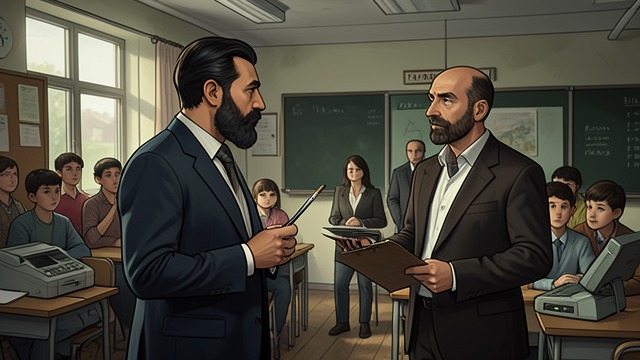
At the Art Students League, Nelson Bauerbeck says Rabo can technically do anything but seems to have nothing he urgently needs to say. He rejects Rabo while trying to explain the difference between facility and artistic personality.
A Pattern Takes Shape
Rabo also abandons a writing course after rejecting the demand to describe appearances in words. Across the encounters, he has skill but struggles to find a subject that feels necessary to him.
The Monumental Work
Beyond a Verdict
An Unclassifiable Picture
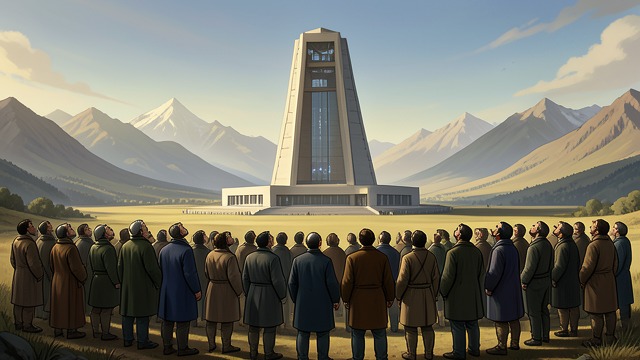
Rabo refuses to call the immense valley scene a conventional painting, naming it instead a tourist attraction or world’s fair. The distinction lets him resist the prestige system that once judged his canvases.
A Different Measure
The common visitors’ attention matters more than a critic’s formal verdict. The work may be important because it makes viewers look closely at suffering, not because it fulfills a single artistic doctrine.
Rabo’s first months as Dan Gregory’s apprentice
During Rabo’s early years in New York City
Near the novel’s ending, after the barn opens
