
Art and the Myth of America
BluebeardThis thread follows the novel’s criticism of the American promise of limitless opportunity and the violence hidden within its image of an open continent.
increasing Bearing strength in each event
 decreasing
Bearing strength in each eventdecreasingStarting from Zero
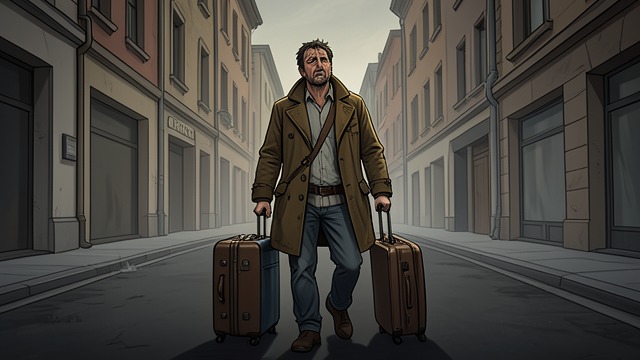
The New Beginning
A Young Migrant’s Hope
Rabo leaves San Ignacio for New York carrying a portfolio and the belief that he can begin again. His journey embodies the American idea that a person can detach from the past and make a new life.
What the Promise Hides
The city is full of hunger and unemployment, and no one is waiting to welcome him. The promise of reinvention coexists with economic hardship and the loneliness of arriving without a community.
The Continent as Prize
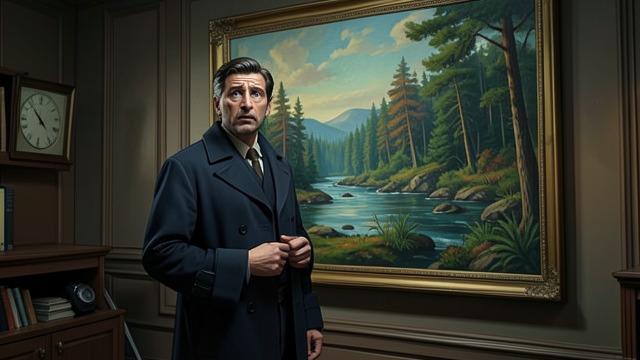
A Promised Land
Promotional Landscapes
Rabo recalls giant scroll paintings that portrayed America as forests, rivers, and resources ready for the taking. Their imagery invited Europeans to imagine the continent as a reward for those bold enough to cross the ocean.
The Vanished Inhabitants
The promise depends on treating the land as empty, even though it has already been inhabited and taken from Indigenous people. The language of opportunity thus conceals conquest and dispossession.
The Present-Day Land Grab
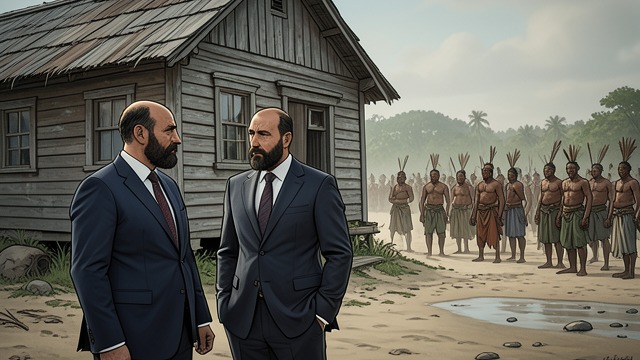
New Colonizers
Real Estate as Conquest
Two German businessmen pretend to admire Rabo’s paintings while assessing whether they can acquire his beachfront property. Circe recognizes the old colonial attitude beneath their polite interest.
The Indians Now
She tells Rabo, “We are the Indians now,” reversing the perspective of the continent’s earlier land seizure. The remark connects present-day wealth and development to a longer history of treating other people’s homes as opportunities.
Rabo’s departure for New York during the Great Depression
During Rabo’s reflection on early American promotional art
Late summer 1987, during the German visitors’ estate inquiry
