
The Revolution of Looking
BluebeardThis thread traces the novel’s question of how a new artistic idea gains recognition and how viewers learn to see beyond inherited judgments.
increasing Bearing strength in each event
 decreasing
Bearing strength in each eventdecreasingAn Unrecognized Experiment
A New Kind of Picture
Working Without a Name
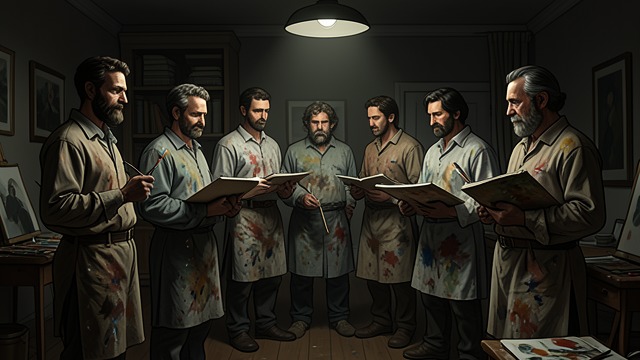
Rabo and his fellow painters make radically different works that share a refusal of ordinary subject matter. They have no agreed label for themselves, and their paintings initially attract confusion and ridicule.
The Need for Witnesses
The artists require more than the private certainty that their work matters. Recognition depends on people able to see what is new and explain it to audiences who may otherwise dismiss it as nonsense.
Slazinger’s Three Specialists
A Model of Change
The Proposed Team
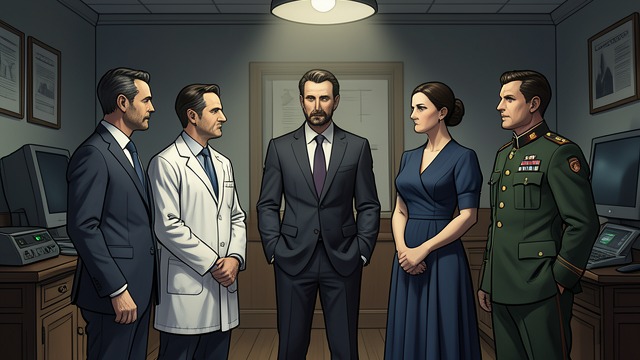
Paul Slazinger argues that revolutions require a genius with new ideas, a respected person who recognizes their value, and an explainer who can make them intelligible to others. Alone, each type is likely to fail.
A Retrospective Pattern
He applies the model to Abstract Expressionism and other movements. His theory turns artistic change into a social process involving creativity, credibility, and communication rather than a solitary act of inspiration.
A Crowd Without Critics
Recognition from Below
The Visitors Arrive
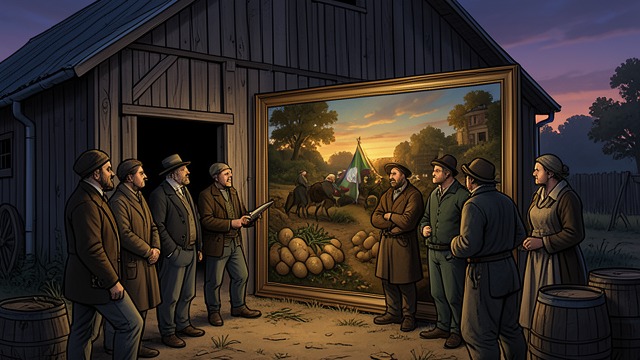
People come through the potato barn, sometimes repeating the visit, drawn by the size and detail of the painting. Rabo finds their direct engagement more gratifying than a formal critical pronouncement.
Another Kind of Revolution
The work has changed from an inaccessible secret into an experience viewers can enter and interpret. Its reception suggests that a revolution in art may succeed through ordinary attention even without the institutions that certify taste.
The first postwar years of the Abstract Expressionist group
Late in the summer of 1987, as Paul develops his theory
After the barn opens, near the ending
