
The Autobiography Becomes a Diary
BluebeardThis thread follows Rabo’s effort to write his life and the way present-day relationships continually alter the history he thinks he is recording.
increasing Bearing strength in each event
 decreasing
Bearing strength in each eventdecreasingThe Apology to Guests
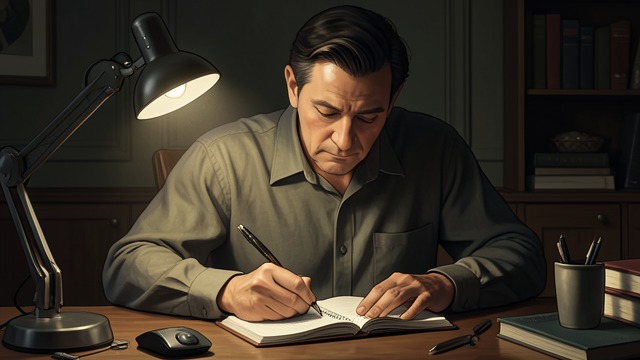
A Book That Changes Shape
A False Promise
Rabo begins by warning readers that his autobiography has become a diary of a troubled summer. His joke acknowledges that the present is interfering with any neat account of the past.
The Narrator at Work
He writes as an old painter who has given up painting and now guards a collection. His self-deprecation establishes both the comic voice and the uncertainty about whether he can tell his own story responsibly.
The Past Reopens
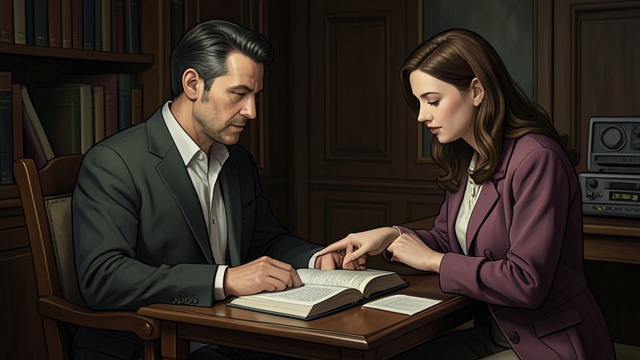
Memory Under Pressure
Questions Without Small Talk
Circe’s blunt inquiry about Rabo’s parents opens memories he had left undisturbed. Their deaths and their history as survivors become more than background: they shape how he understands his father and himself.
Present-Day Interruptions
Circe reads his pages, criticizes his style, and redirects his attention. The manuscript grows through argument, making the act of remembering itself part of the narrative rather than a neutral record.
A Completed Account
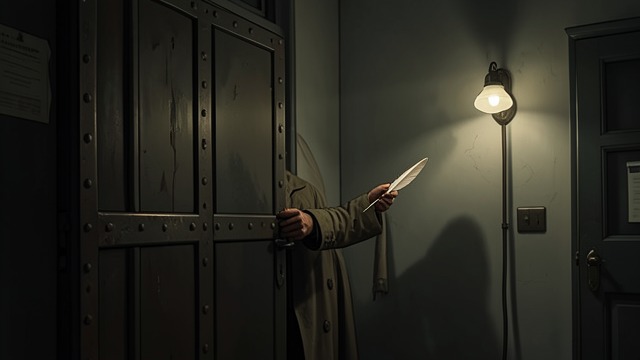
Writing Toward Contact
Beyond Private Recollection
Rabo’s account joins family history, art, war, and the events of the summer. The manuscript no longer functions only as a defense of his failures; it has helped him name what he has avoided.
An Unfinished Future
Circe’s departure does not erase the value of their exchanges. Rabo has a painting that visitors can see and a new language for acknowledging what his body accomplished, even though the future judgment of the work remains uncertain.
At the opening of Rabo’s 1987 manuscript
During the first weeks of Circe’s stay
Near the novel’s ending, after the barn is opened
