
The Price of Masculine War
BluebeardThis thread traces how the novel challenges heroic military conventions by centering women’s vulnerability and the unequal consequences of men’s wars.
increasing Bearing strength in each event
 decreasing
Bearing strength in each eventdecreasingThe Medal’s Story
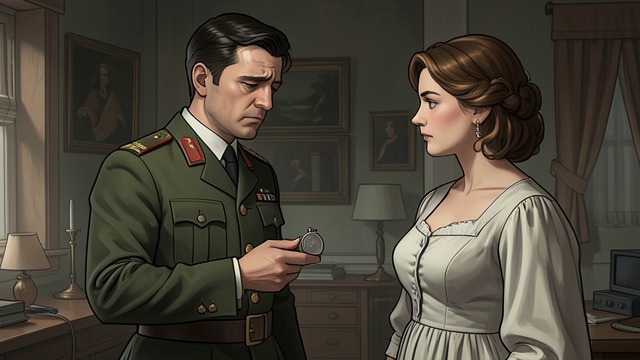
Honor Reinterpreted
A Soldier’s Decoration
Rabo recounts receiving medals, including one for rescuing men from a burning barracks. He is proudest of the award for saving lives rather than of combat recognition.
Marilee’s Response
Marilee sees a medal as evidence of what a man endured so that women and children might be safe. Her sympathy shifts attention from masculine display toward the people and bodies exposed to war’s costs.
The Women of the Valley
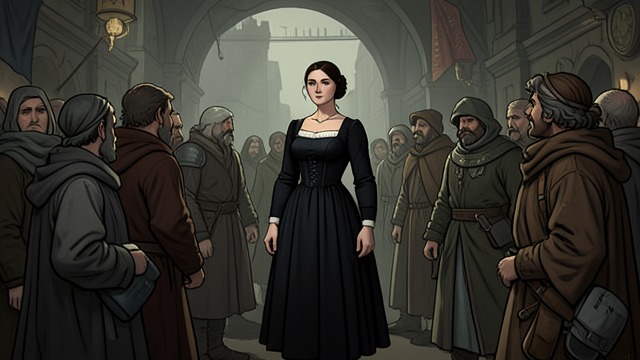
A Title That Accuses
Hidden Figures
Circe initially sees few women in the painted crowd. Rabo points out that many female prisoners and asylum inmates are present but barely recognizable after violence and deprivation.
The Cellar’s Shelter
Healthy women hide beneath farmhouses, delaying the rape they expect from wartime history. The title “Now It’s the Women’s Turn” refuses to treat the end of fighting as the end of danger for women.
The Lost Farm
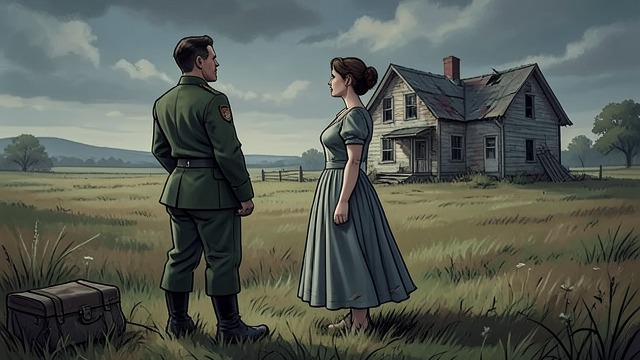
War Reaches Home
A Son in Uniform
Big John is proud when his troubled son returns home in an Army uniform, believing that military service has straightened him out. Little John later dies in the Vietnam War.
Property After Loss
Big John and his wife sell the farm and prepare to leave the land their family has held for generations. The story joins military loss to the economic changes that remake local homes and communities.
At Rabo and Marilee’s 1950 conversation in Florence
During Circe’s close reading of the barn painting
Late in the summer of 1987, after Little John’s death is recalled
