
The Siblings Who Survive
BluebeardThis thread follows Rabo’s parents’ attempted escape, the losses that precede his birth, and the uneasy inheritance of survival across generations.
increasing Bearing strength in each event
 decreasing
Bearing strength in each eventdecreasingTwo Different Escapes
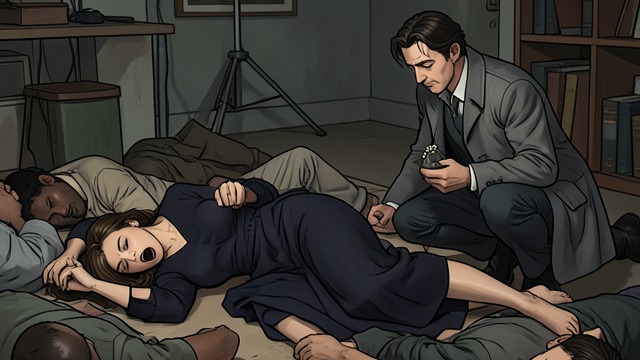
Survival in Separate Hiding Places
The Mother in the Bodies
Rabo’s mother pretends to be dead among the victims, pinned beneath bodies and confronted with an old woman’s open mouth. She later gathers jewels without taking those still inside the corpse.
The Father in the Privy
His father hides in a schoolhouse privy and never sees the actual killing. The village’s terrible stillness afterward becomes the memory that defines his experience of the massacre.
Meeting Beyond the Border
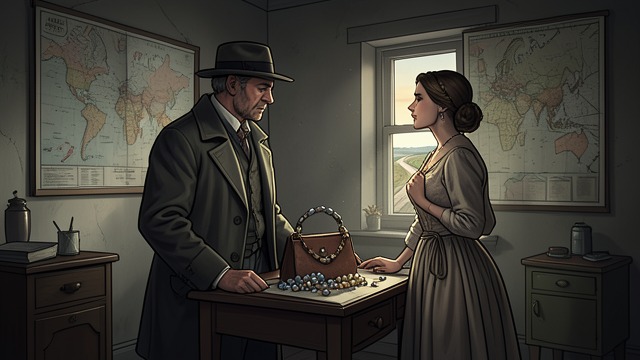
A Shared Route
Two Survivors Meet
Rabo’s parents do not meet in their original village; they encounter one another after crossing a lightly guarded border. Persian Armenians shelter them before they decide to travel onward together.
A Partnership Under Pressure
The mother’s jewels fund the journey, while the father does much of the talking. Their relationship begins in displacement, shaped by the different dangers and resources each survivor carries.
What the Children Inherit
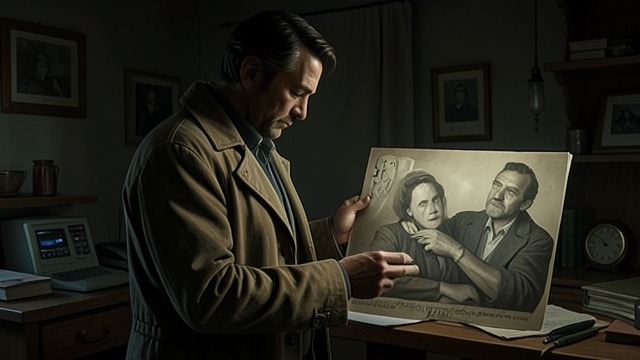
A Legacy of Distance
The Parents’ Losses
Rabo understands that his parents’ survival was not a simple victory: his mother built a future, while his father remained bound to the vanished community. Their different responses become part of his own emotional inheritance.
Descendants Far Away
Rabo’s sons and grandchildren have little interest in the history their grandparents carried. The family survives biologically, but the task of preserving memory remains uncertain.
During the Armenian Genocide
After the massacre, while both parents flee toward Persia
In 1987, as Rabo writes about his family
