
The Long Shadow of the War
BluebeardThis thread follows how the Second World War continues to shape Rabo’s body, relationships, and understanding of the postwar world.
increasing Bearing strength in each event
 decreasing
Bearing strength in each eventdecreasingThe Wounded Engineer
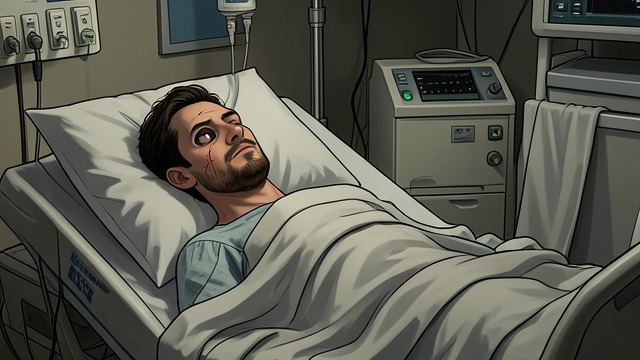
The Eye Lost
A Sudden Attack
Rabo’s camouflage platoon is forced into ordinary infantry fighting as German forces break through. A shell strikes before he can remember firing, leaving him unconscious and without his left eye.
Survival Without a Heroic Story
He wakes in a German military hospital and experiences little pain from the injury. The wound becomes a permanent visible mark, while the battle itself remains a fragmentary flash rather than a clear tale of combat.
A Veteran’s Blankness
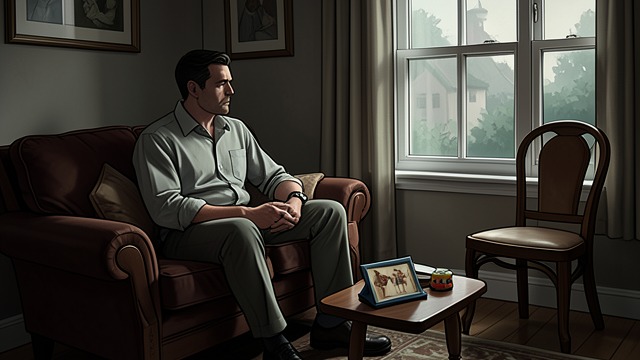
Returning Without a Home
Care from the Army
The United States Army pays for treatment to the damaged eye, and Rabo marries his nurse. He is decorated, yet feels blank rather than triumphant.
Civilian Life Resists
He struggles to become the husband and father his family expects. The military provided structure and belonging, but the return to civilian life offers no simple transition into a settled identity.
The Valley Reappears
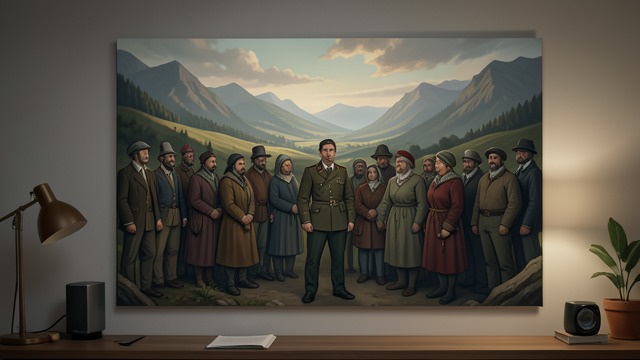
War Remembered Otherwise
From Memory to Composition
Rabo revisits the valley he saw at the war’s end by filling a canvas with displaced people from many nations and circumstances. His image does not center his own wound or military honors.
A Wider Self-Portrait
The painting places Rabo among people whose experiences exceed his own. It transforms the veteran’s fragmentary memory into an encounter with the many forms of survival the war produced.
Near the end of the war, in Luxembourg
After repatriation and surgery, in the immediate postwar period
Decades later, in Rabo’s final painting
