
Production, Consumption, and Human Need
Brave New WorldThe novel links economic demand to social design, showing how consumption shapes childhood, work, leisure, and even remembrance.
increasing Bearing strength in each event
 decreasing
Bearing strength in each eventdecreasingGames Must Consume
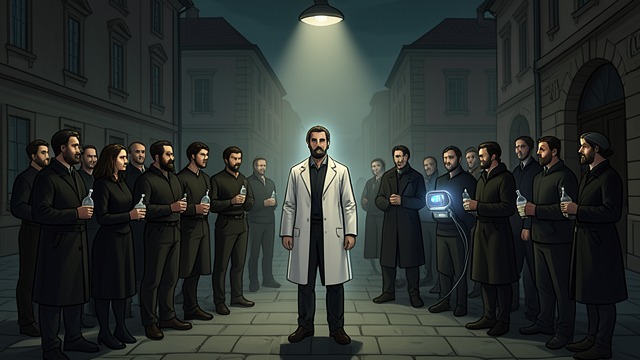
Leisure as Industry
Rule
New games require elaborate equipment rather than simple play. The State rejects recreation that creates little demand for manufactured goods.
Implication
Even free time is designed to keep production moving. Pleasure becomes another route through which economic priorities shape behavior.
Nature Made Unprofitable
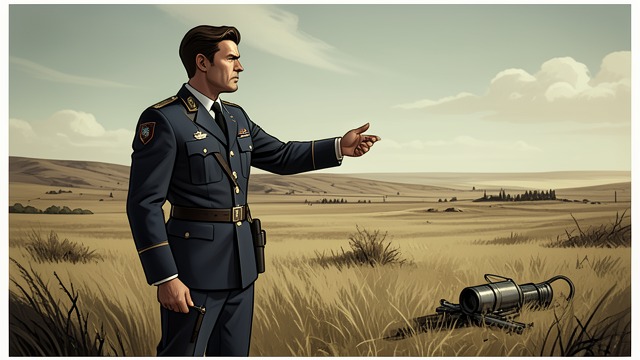
A Calculated Dislike
Policy
The Director explains that people once enjoyed flowers and landscapes, but nature alone generated insufficient spending. Lower castes are taught to hate the countryside while still traveling to costly sports.
Logic
The contradiction is deliberate: movement is preserved, inexpensive affection is removed, and manufactured equipment supplies the missing demand.
Throwing Clothes Away
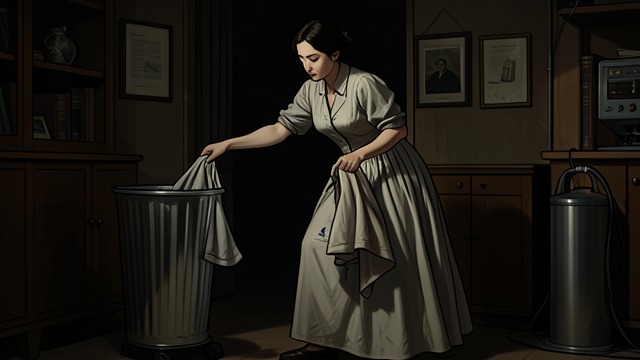
Replacement Over Repair
Slogan
The women repeat that ending is better than mending. Clothing is meant to be discarded rather than repaired.
Social function
A seemingly trivial habit sustains consumption and makes self-sufficiency less likely. The slogan reaches even John’s memories of growing up among people who mend.
Work After Death
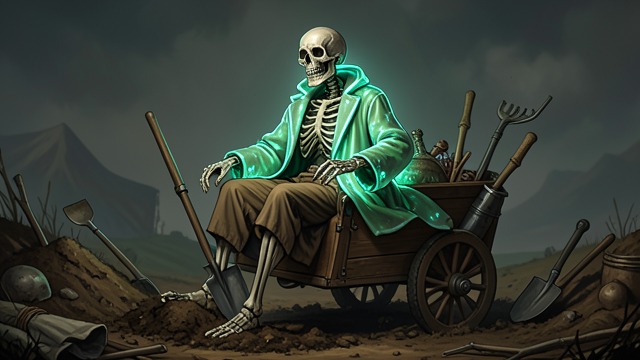
The Useful Corpse
Explanation
Henry describes phosphorus recovery from cremated bodies as a benefit to agriculture. Even death is presented as continued contribution to production.
Perspective
Lenina questions why high and low castes cannot contribute equally. The exchange reveals how economic language makes a total system appear benevolent.
A Society Designed to Buy
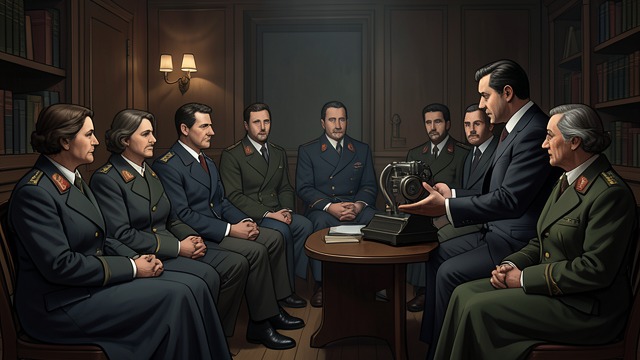
Demand Maintained
Explanation
Mustapha Mond describes shorter working hours and synthetic food as technically possible but politically undesirable. Extra leisure might produce unrest, while faster production could disturb existing arrangements.
Conclusion
The State preserves labor and consumption not simply because it must, but because stability depends on keeping citizens within managed routines.
During the Director’s garden tour
During the explanation of flower conditioning
During Lenina and Fanny’s changing-room conversation
During Lenina and Henry’s flight above Slough Crematorium
During Mustapha Mond’s account of social organization
