Neo-Pavlovian conditioning
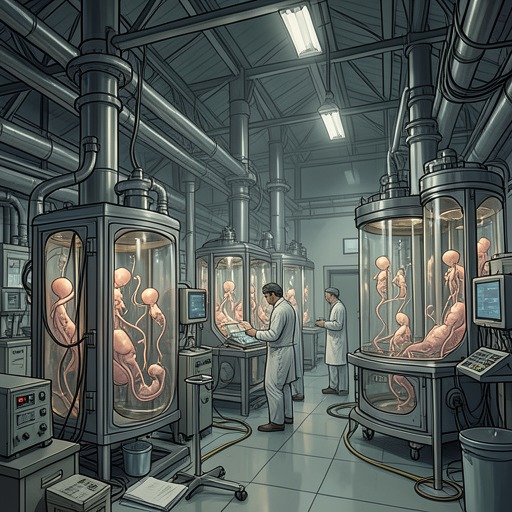
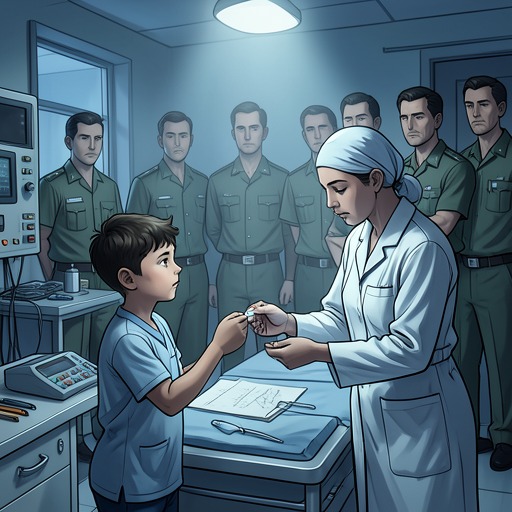
Brave New WorldNeo-Pavlovian conditioning is a method of training infants through deliberately paired stimuli, presented at the Central London Hatchery and Conditioning Centre as both a physical procedure and an instrument of policy. In the nursery, roses and brightly illustrated books first draw babies toward them; alarms and electric shocks then teach the children to fear what they had approached. The lesson reaches beyond the nursery floor: the World State uses the same conditioning to suppress an unprofitable love of nature while preserving habits that sustain transport and manufactured consumption.
The nursery demonstration
The training takes place in an infant nursery marked as a Neo-Pavlovian Conditioning Room. Nurses arrange bowls of roses and books with vivid illustrations across the floor. When the babies are turned toward them, they fall silent and crawl eagerly toward the colours. Sunlight emerges from behind a cloud, making the roses flare in the children’s view; the babies squeal and gurgle with pleasure as they reach the books and flowers.
The Director waits until the infants are absorbed in touching the objects. At his signal, the Head Nurse operates a switch. An explosion, a shrill siren, and maddening alarm bells turn the nursery’s inviting scene into a source of terror. The babies start and scream. A second lever introduces electric shocks: their cries sharpen into spasmodic yelps, while their limbs twitch and stiffen as if pulled by unseen wires. The electrical current can be applied to the entire strip of floor, but the demonstration stops once the association has been impressed; the alarms cease, and the children’s bodies relax into ordinary sobbing.
Conditioning nature into an economic policy
The Director explains the social purpose behind the procedure. Primroses and landscapes are “gratuitous”: appreciation of nature does not keep factories busy. The World State therefore decides to abolish love of nature among the lower classes, while retaining their inclination to travel into the countryside. The shocks create that apparently contradictory combination: people are conditioned to hate the country, yet also to love country sports, which require elaborate equipment.
The policy does not simply deny the infants access to books and flowers. It converts attraction into aversion so that later behaviour can serve an economic design. Travel continues, but affection for landscapes no longer motivates it; country sports and their apparatus supply a reason to go out and a reason to consume manufactured goods. The lesson is thus built to preserve transport consumption while discouraging a pleasure that would demand nothing from the market.
Function and significance
The nursery scene makes conditioning visible as a coordinated system: the Director gives the signal, the nurse controls the switches, and the babies’ bodies register the intended result before they can understand it. A rose or a book is not inherently frightening; the State manufactures fear by joining the objects to noise and pain. The method turns an immediate bodily response into a durable social preference.
The procedure also shows how the World State’s economic aims shape supposedly personal tastes. Nature is rejected not because it is dangerous, but because loving it is commercially unproductive. Meanwhile, an engineered liking for equipment-heavy sports channels leisure toward consumption. Neo-Pavlovian conditioning therefore links infant training to class policy and industrial demand: the nursery prepares children to experience as instinct what the State has designed for its economy.