Joe Bell's bar
Breakfast at Tiffany'sJoe Bell's bar is a quiet Lexington Avenue establishment whose importance comes less from drink than from the human traffic it shelters. A place to make calls, leave messages, reconnect, and finally organize Holly Golightly’s departure, it gathers the story’s concern with mobility around a fixed neighborhood address: Joe may grumble and Holly may vanish, but the bar keeps becoming a point of return.
Setting and Everyday Use
The bar stands around the corner from the brownstone where Holly and the unnamed narrator once lived, and both visited it six or seven times a day during the war. Their purpose was often the telephone rather than a drink: private telephones were difficult to obtain, and Joe took messages, a service especially useful to Holly, who received a great many. The bar’s role in her life is therefore established as practical and habitual before it becomes dramatic. It is part of the infrastructure that lets her remain connected while living in a crowded city without a telephone of her own.
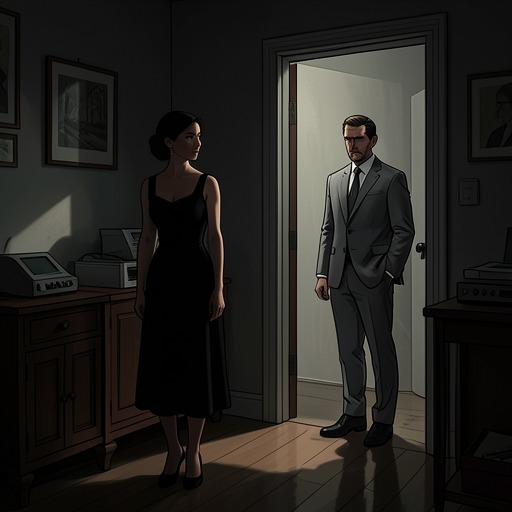
Its interior is deliberately unshowy. There is no neon and no television; two old mirrors reflect the weather outside, while photographs of ice-hockey stars surround a niche behind the bar. Joe arranges a large bowl of fresh flowers there with careful attention. When the unnamed narrator arrives in response to Joe’s urgent summons, he finds the proprietor tending the flowers and no one else on the premises. The quiet room and its small, tended details distinguish the bar from a lively public spectacle: it is a place shaped around Joe’s personal habits and the conversations he chooses to receive.
A Meeting Place in Holly’s Story
Joe’s attachment to Holly makes the bar a recurring point of contact even when the unnamed narrator and Joe are not close friends in their own right. Joe is difficult to talk to, and his interests include ice hockey, Weimaraner dogs, a long-running soap serial, and Gilbert and Sullivan; Holly is another of his fixations. The narrator understands that an urgent call from Joe is likely to concern her, and travels there in heavy October rain hoping to see her. The bar thus connects the present-day summons to the earlier routine of calls and messages, drawing the narrator back into Holly’s story through Joe.
The bar also contains traces of Holly’s past that do not fit the image of her as simply passing through. She used to see Sally Tomato there before he went to prison. Holly recalls that he would stand in the bar without speaking to anyone, and says that only later did she understand how closely he must have been watching her. The place gives the later revelation a prior, ordinary setting: before the prison visits and the trouble surrounding Sally, he was a familiar face in the same neighborhood room Holly frequented.
Reunion and Disclosure
After Holly meets Doc Golightly, the unnamed narrator leaves them together and later sits with Holly and Joe at the bar. There Holly insists that she never divorced Doc: she had been fourteen when they married and did not believe the marriage could have been legally ended by her. Her disclosure shifts the bar from a place of routine contact into a setting for explaining the history behind her assumed adult independence.
The conversation also brings out Holly’s affection for Doc. Although she acknowledges that he may have looked old and shabby to the narrator, she describes his sweetness and the confidence he could give to birds, children, and fragile things. She says she has remembered him in her prayers and objects when the narrator appears to smirk. Joe serves her more martinis reluctantly; it is not yet noon, and he has already served three rounds. Holly jokes that it is Sunday and clocks run slow, and explains that she has not been to bed because she has not wanted to sleep. In the bar’s familiar company, reunion and disclosure arrive amid Joe’s impatience and Holly’s attempts to make light of what she has just faced.
Departure and the Bar’s Meaning
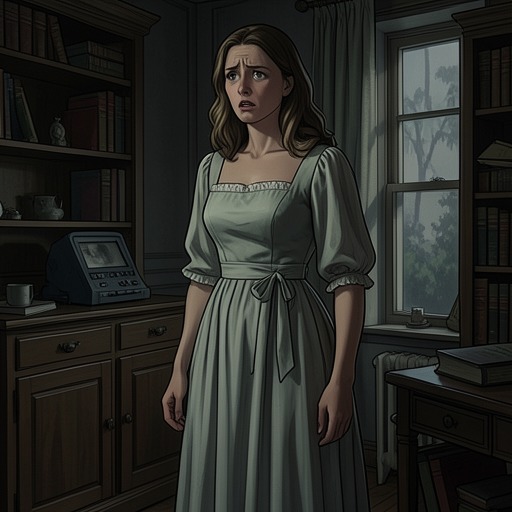
When Holly decides to leave New York while on bail, the brownstone is under surveillance by people who may be police, reporters, or others. She avoids returning there and goes from the hospital to a bank, then to Joe Bell’s bar. Joe sends the unnamed narrator to meet her with a list of things to bring: jewelry, her guitar, toiletries, a bottle of old brandy hidden in the laundry, and Holly’s cat. The request turns the bar into a rendezvous and a staging point for escape, a practical alternative to the watched apartment.
The unnamed narrator gathers Holly’s belongings in a storm and struggles to carry them across the city. At the bar, Holly releases the cat, who leaps onto her shoulder, and opens the brandy. She explains that the bottle had been intended for a hope chest and anniversary toasts; she now asks Joe for three glasses, though he says only two are needed because he will not drink to what he calls her foolishness. His protest sounds like a refusal to help, but it is not the end of his involvement. When a chauffeured limousine arrives, Holly and the narrator suspect the district attorney, and Joe blushes before admitting that he hired the car to take her to the airport.
That final gesture clarifies the bar’s function. Joe can object to Holly’s decision and fear that he is helping her act against her own interests, yet he still arranges the ride that carries her out of New York. The bar is neither a permanent home nor a promise that Holly will stay; it is a dependable threshold between her neighborhood life and the next departure. Its ordinary services—telephone access, messages, a drink, a meeting place, and finally a car—make Joe’s loyalty concrete without resolving the uncertainty of where Holly will go or whether she will find a place to belong.