
The City’s Social Order Changes
BuddenbrooksThis thread traces the challenge to patrician authority from 1848 unrest through Hagenström’s political ascent and purchase of the family home.
increasing Bearing strength in each event
 decreasing
Bearing strength in each eventdecreasingArguments Over Franchise

Arguments Over Franchise
A constitutional dispute
Citizens debate restricted voting rights, universal franchise, and the status of residents and non-Christians.
Old and new interests
Thomas supports restricted voting while Hermann Hagenström represents a more liberal position.
Political change exposes competing definitions of civic belonging.
The Patricians Face A Crowd
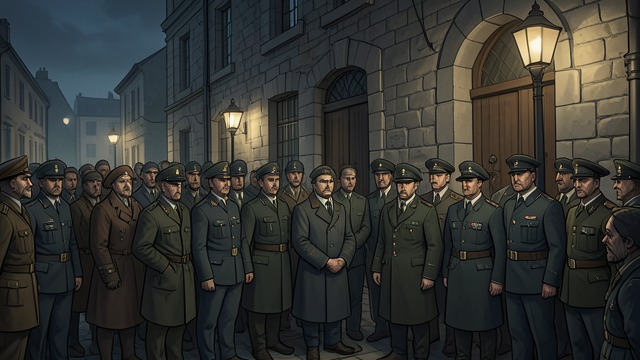
The Patricians Face A Crowd
A council under pressure
Workers surround the assembly during the revolutionary unrest, demanding political change.
Authority proves vulnerable
The established leaders hesitate until Thomas negotiates with the crowd and restores calm.
The old elite retains control, but no longer appears invulnerable.
A New Commercial Rival
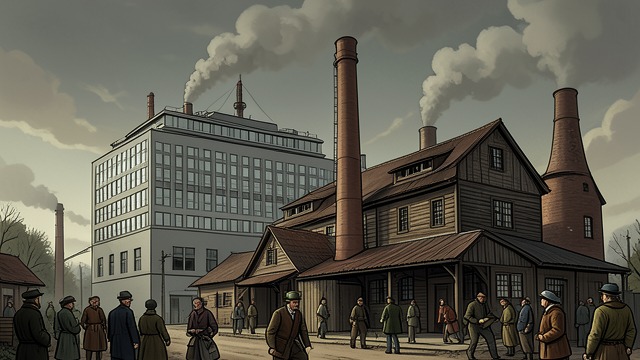
A New Commercial Rival
Hagenström expansion
Strunck & Hagenström grows rapidly while the older Buddenbrook firm loses ground.
Personal resentment
Tony sees the rival family’s success as an insult, while Thomas recognizes their competence and influence.
Economic strength increasingly outweighs inherited standing.
Thomas Wins The Senate Seat
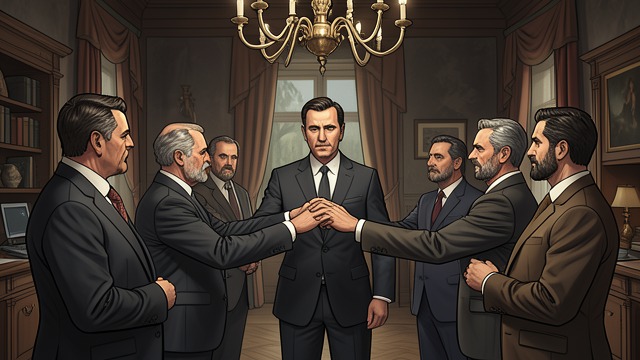
Thomas Wins The Senate Seat
A contested election
Thomas competes with Hermann Hagenström for a vacant Senate position.
A narrow victory
The electors choose Thomas, and the family celebrates his elevation as proof of continuing prestige.
His status rises, though his rival’s political influence remains substantial.
A Rival Occupies The Ancestral Home
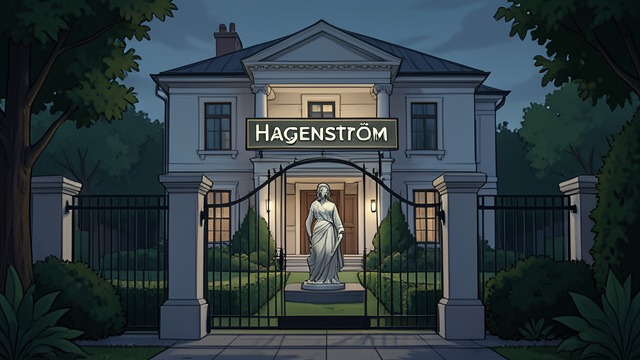
A Rival Occupies The Ancestral Home
The final reversal
After Thomas’s death, Hermann Hagenström buys the old Meng Strasse residence.
New authority made visible
The successful rival installs modern improvements and his family name beneath the house’s motto.
The purchase signifies a wider shift from inherited patrician authority to modern commercial power.
1848
1848
1840s–1860s
1862
1872
