
Clara’s Marriage And Inheritance
BuddenbrooksThis thread follows Clara’s marriage to Sievert Tiburtius, her death without children, and the dispute over her inheritance.
increasing Bearing strength in each event
 decreasing
Bearing strength in each eventdecreasingA Pious Daughter
A Pious Daughter
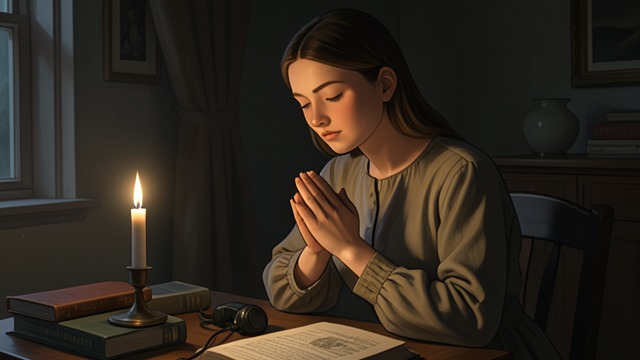
A distinct temperament
Clara grows into a serious, devout young woman unlike Tony’s lively and worldly character.
A future shaped by faith
Her mother imagines that a pastor may suit her better than a merchant husband.
Clara’s private inclinations align with that expectation.
Tiburtius Arrives
Tiburtius Arrives
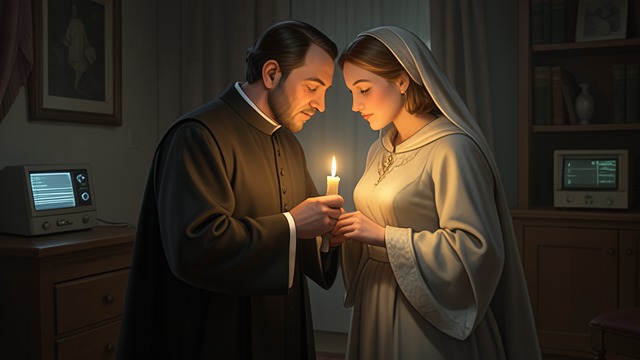
A visiting pastor
Sievert Tiburtius stays with the family and devotes much attention to Clara.
A measured courtship
Their conversations turn into a proposal, which Clara accepts after a country walk.
The marriage is formed through religious compatibility and family approval.
A Marriage In Riga
A Marriage In Riga
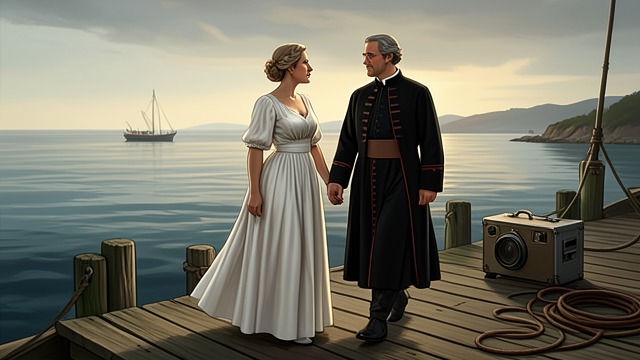
Life far from Lübeck
Clara accompanies Tiburtius to Riga, where he serves as a pastor.
Distance from the family
The marriage produces no children, and Clara’s health grows increasingly poor.
Her religious devotion gives shape to a life otherwise marked by separation and illness.
A Final Request
A Final Request
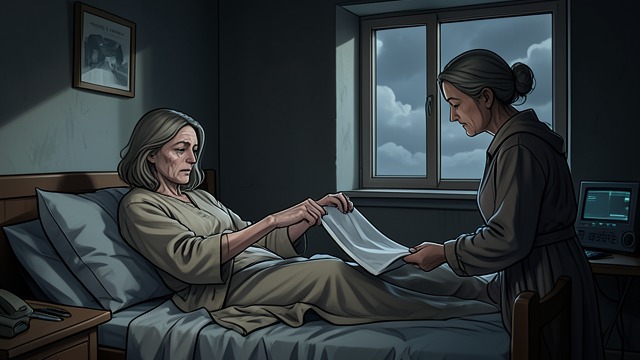
Illness and farewell
Clara dies after a severe illness, leaving a letter written in a trembling hand.
An inheritance promised
She asks her mother to let Tiburtius receive what would have been her inheritance.
Her deathbed request creates a conflict between familial feeling and Thomas’s duty to preserve capital.
The Living Carry The Cost
The Living Carry The Cost
Thomas objects
Thomas regards the promised inheritance as a major loss and resents being bypassed.
The bequest stands
He refuses to sue his mother or reverse the decision, but counts the financial damage among the family’s setbacks.
Clara’s absence remains present in both money and memory.
1850s
1855
1856–1862
1862
1862–1870s
