
Elisabeth’s Final Illness
BuddenbrooksThis thread follows Elisabeth’s late religious life, her prolonged pneumonia, and her death despite medical efforts to preserve her life.
increasing Bearing strength in each event
 decreasing
Bearing strength in each eventdecreasingPiety After Loss
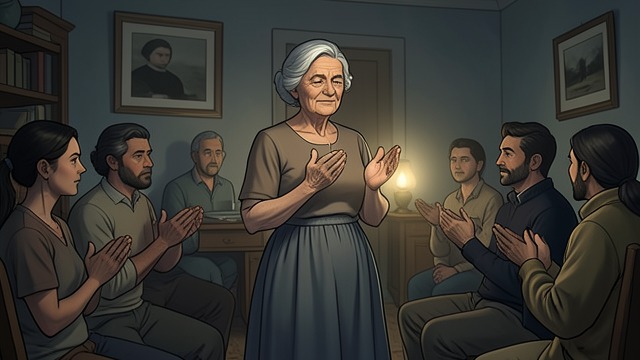
Piety After Loss
A changed household
After her husband’s death, Elisabeth expands prayer, Sunday teaching, and missionary gatherings in his memory.
Charity and convention
Her piety remains intertwined with social rank, household order, and her accustomed comforts.
The household’s religious life becomes her central public legacy.
A Persistent Catarrh
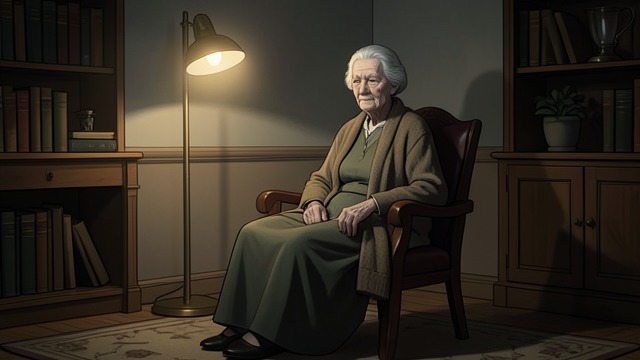
A Persistent Catarrh
Illness begins
A cold develops into pneumonia, and doctors warn Thomas that his mother’s age makes the illness dangerous.
Refusal to surrender
Elisabeth monitors her symptoms closely and treats every change as a battle to remain alive.
Her vitality resists the pious readiness others expect from her.
Nursing And False Hope
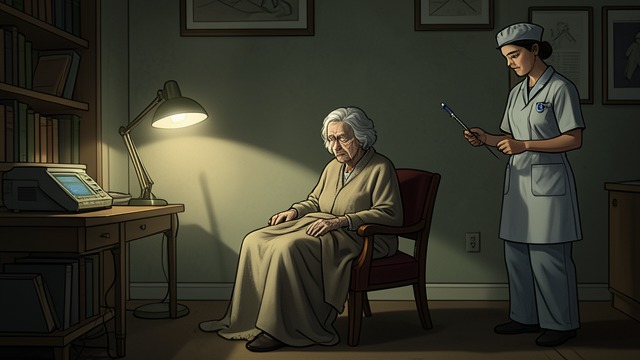
Nursing And False Hope
Medical supervision
Sister Leandra and the doctors attend Elisabeth as fever, pain, and breathing problems worsen.
Temporary improvement
A brief easing of symptoms gives the family hope, but the infection spreads to both lungs.
Treatment prolongs the struggle without controlling its outcome.
A Difficult Death

A Difficult Death
The final struggle
Elisabeth begs for medicine that will let her sleep, while doctors continue measures intended to preserve life.
Surrender
After hours of distress, she answers an unseen call and dies.
The death unsettles the family’s belief that devotion guarantees a peaceful end.
A Household Broken Up
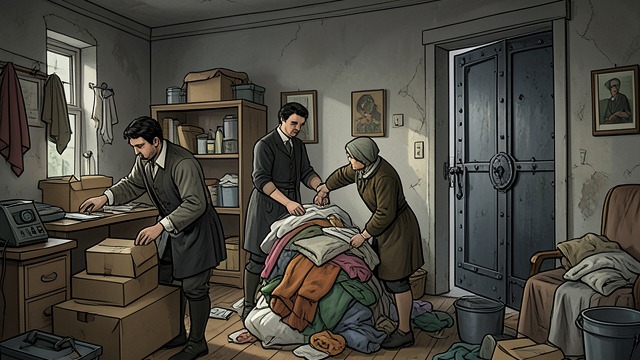
A Household Broken Up
Immediate disorder
After the funeral, servants divide possessions and the family disputes the estate’s contents.
No restoration
The old household cannot be rebuilt, and Thomas soon orders the family home sold.
Elisabeth’s death accelerates the material dispersal of her family.
1855–1860s
Autumn 1874
Late 1874
Autumn 1874
1874–1875
